
Akron, Ohio, is fighting its way through a landscape dotted with empty structures. For decades, the solution was simple. You brought in a wrecking ball. You leveled the building. Life moved on.
That changed in 2010.
The city partnered with Habitat for Humanity. They didn’t want to destroy four specific vacant buildings. They wanted to dismantle them. Bit-by-bit. Shingle-by-shingle.
It is tedious work. Some might call it painstaking. It is.
Зміст
The Cost of Careful Removal
A standard demolition contractor can tear down a single-family home in about two days. The Akron Habitat team needed twenty.
The numbers tell a stark story. The city typically pays a contractor $3,484 to knock a house down. For deconstruction, the cost jumped to $7,500 per house.
Why spend more?
Deconstruction is the process of taking a building apart while saving materials. You aren’t sending everything to a landfill. You are salvaging what you can. Habitat plans to sell these retrieved items. They want others to reuse them.
The environment benefits. Your wallet might not initially. But the waste stream takes a massive hit.
The Volume of Waste
Construction and demolition debris are the largest sources of trash in the United States.
The Construction Materials Recycling Association estimates that 325 million tons of recoverable debris are generated annually.
Think about that number. Three hundred twenty-five million tons.
In the past, that metal, concrete, wood, block, and asphalt ended up in a landfill. Period.
The goal of deconstruction is simple. Reuse what you can. Recycle the rest.
Not every piece of construction debris can be recycled. Some things shouldn’t be. But a surprising amount of what goes into a house can be reused.
Wood and Lumber
Wood is the easiest material to salvage.
It is everywhere. In framing. In flooring. In trim.
When you deconstruct a home, you are looking at lumber that still has life left in it. Old growth wood is often denser and more durable than new material. It doesn’t warp as easily. It holds nails better.
If you are planning a DIY project or a renovation, look for reclaimed wood. It adds character. It saves money. It keeps waste out of the dump.
But you have to be careful.
Old paint might contain lead. Old insulation might contain asbestos. You cannot just rip into walls without checking for hazards. Safety comes first. You need protective gear. You need to know what you are dealing with before you start pulling boards.
The process starts from the top. Roof shingles come off first. Then fixtures. Then non-structural elements.
It is slow. It is methodical.
Is it worth the extra cost?
For some, yes. For others, no. But the alternative is a growing mountain of waste.
Akron is showing that there is another way. A slower way. A cleaner way.
You can try it in your own neighborhood. You just have to be willing to take the time.
Next, we look at what else you can save.


Salvaged Lumber: The Hidden Value in Deconstruction
Contractors in the U.S. build roughly one million new single-family homes every year. The price tag? Nearly $100 billion. That number doubles to almost $200 billion once you count multi-family units, manufactured housing, and the endless cycle of repairing existing structures. Most of that cash disappears into wood. You know the type. Framing. Sheathing. Doors. Floors. Windows. And a lot of that material starts as virgin timber cut from forests.
But here’s the thing most builders ignore. The government estimates nearly one billion board-feet of lumber can be salvaged annually. It’s not just scrap. It’s high-quality wood. Large timber frames. Solid planks. If a builder reused all the wood in a standard 2,000-square-foot home, they’d generate up to 6,000 board-feet of reusable lumber. That saves 33 trees. Simple math.
Then there’s the landfill problem. Recycling that same wood reduces the volume of waste by at least 8,420 cubic feet. That’s 238 cubic meters of space saved. Think about the cost of hauling that debris. Think about the tipping fees.
Workers can reuse this wood in practical ways. Re-mill old lumber and you get new floors. Paneling. Custom doors. Windows. Builders also use it to construct barns and fences. It’s durable. It’s seasoned. It holds up better than fresh pine in many cases.
If the wood is too damaged for structural use, machines grind it down. Turn it into particleboard. Or use it as biomass fuel.
9: Drywall
Drywall is the next big pile of waste. Most of it goes straight to the dump. But it can be recycled.
The process is straightforward. Remove nails. Shred the gypsum. Remove the paper facing. The gypsum powder becomes a raw material for new drywall. The paper gets recycled into cardboard or mulch.
Why does this matter? Mining gypsum depletes natural resources. Transporting it burns fuel. Recycling keeps it in the loop.
You might ask: who recycles drywall? Construction companies with on-site sorting. Demolition sites that separate materials. Recycling centers in urban areas.
The challenge? Contamination. Paint. Adhesives. Nails. These mess up the recycling process. So, before you demo a wall, pull every nail. Scrape off loose paint.
For the DIYer, this means less landfill space. Lower hauling costs. A cleaner site.
“Recycling drywall reduces the need for virgin gypsum mining and cuts down on transportation emissions.”
It’s not just about saving trees. It’s about stopping the waste stream at the source.

Drywall: The Gypsum Goldmine
Think about the last time you walked into a room. If it wasn’t chilly, that’s probably because of drywall. It’s the standard for interior walls, a simple sandwich of gypsum rock between two layers of paper. The US churns out 15 million tons of it every year. That’s a lot of material. And naturally, a lot of it ends up as waste—about 25% of all construction debris is drywall scraps.
But don’t toss it in the landfill just yet.
Drywall is surprisingly easy to recycle. If you’re a builder, you can use small scraps to patch holes in new walls. Workers sometimes even use broken bits to create forms for wet concrete. Here’s the bigger picture: drywall contains boron. We usually think of boron as a fire retardant, but it’s also a plant nutrient. Landscapers mix this into soil to feed plants. The paper facing? That can go into soil, be recycled into new paperboard, or composted for fertilizer. It’s a loop, not a dead end.
8: Steel
Skyscrapers, bridges, high-rise apartments—steel holds them all up. And when those structures age or get demolished, the steel doesn’t just disappear. Americans recycle over 65 million tons of scrap steel annually. It doesn’t lose its strength. Recycled steel keeps its durability, which is why every steel frame in a new build contains at least 28% recycled content.
To put that in perspective, a typical 2,000-square-foot house uses about as much steel as six junked cars. Girders, trusses, pilings. All of it can be pulled from a site and melted down for reuse.
Take the World Trade Center. Much of the steel debris from that site was recycled. Several tons were refined and used to construct the bow of the USS New York, an assault ship for the US Navy. That’s not just recycling. That’s transformation.
7: Roofing Shingles
Nearly 11 million tons of roofing shingle waste hits US landfills each year. Most of it—10 million tons—comes from stripping old homes. Shingles last a long time. Twenty or thirty years before they need replacing. They are tough. Made from a felt mat soaked in asphalt and topped with rock granules, they handle scorching heat and freezing cold without buckling.
But once they hit the ground, they have a second life.
Ground up, shingles become a component in asphalt pavement. You’re likely driving over recycled shingles right now. They can fill potholes. They can even be processed back into new shingles or used as fuel. It’s not just waste. It’s raw material waiting for the right machine.
6: Glass and Windows
You should reuse old windows if you can. Really. But recycling them? That’s a different story.
Builders rarely recycle window glass. Why? First, glass is cheap to make. The main ingredient, sand, is everywhere. Second, the specs are strict. Recycled glass often doesn’t meet the purity requirements for new products. All glass looks the same, but subtle impurities matter when you’re blowing bottles or making windows.
Then there’s the assembly. A window isn’t just glass. It’s aluminum frames, vinyl sashes, insulating spacers, lamination layers. Every single piece needs to be separated before recycling can even begin. It’s time-consuming. It’s costly. For most projects, it’s not worth the effort. Reuse is the winner here. Recycling is the loser.

Recycling landscape waste isn’t just a nice gesture. It is often a legal requirement. Many states and local communities have banned landscape waste from landfills. Contractors must reuse or recycle the debris. They can turn most yard waste into mulch. This material suppresses weeds and looks good around the yard.
Homeowners have options too. Composting is a solid path for organic matter. You can also dig up plants like hydrangeas, hostas, or rosebushes and replant them. This keeps vegetation out of the trash stream and saves you money on new plants.
Appliances: Finding a Second Life
There are second acts for most appliances. If your construction project involves a major kitchen addition or renovation, you might be buying new units. What happens to the old ones?
First, check if they still work. If they do, consider donating them. Organizations like the Salvation Army, Habitat for Humanity, or Goodwill often accept working appliances. This helps people in need and gets your items out of your garage.
You can also give old appliances to neighbors. Someone down the street might need a stove or an air conditioner. A quick post on a community board can find a new home for your junk.
If donation isn’t an option, recycle them. Check with your local recycling center. Rules vary by community. Some places take whole units. Others require you to remove refrigerants or specific parts first.
If the appliances no longer work, find a company that picks them up. Many recycling facilities offer haul-away services for broken units. This prevents hazardous materials from ending up in a dumpster.
Concrete and Masonry
Concrete and masonry are heavy. They take up huge amounts of space in landfills. Recycling them is essential for large projects.
Crushed concrete becomes aggregate. You can use it as a base for driveways or pathways. It provides a solid foundation without the cost of new gravel.
Bricks and stone can be salvaged. They add character to retaining walls or garden borders. Chipped pieces work well as fill material.
Check with local contractors. They often have crushers on site. This turns debris into usable material immediately. It reduces hauling fees and disposal costs.
What do you do with the leftover chunks?
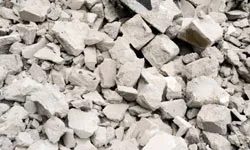
Concrete used to be considered a total waste product. Now? It’s a goldmine for sustainable building. Builders save millions by recycling it, and landfills get a massive break. The numbers are staggering. Every year, US construction companies process 140 million tons of concrete debris.
Once crushed, that rubble doesn’t just sit in a pile. It becomes the base for new roads and driveways. It’s also a sturdy foundation for laying pipes and utility lines. If you’re landscaping, keep an eye out for larger chunks. They make excellent retaining walls or garden borders. It’s practical reuse that keeps materials out of the trash.
How Asphalt Recycling Works on Roads
Every day, miles of pavement get torn up and replaced. Asphalt isn’t just for residential streets. It’s everywhere. Think highways. Airport runways. Parking lots. The volume is huge. The Federal Highway Administration estimates that crews remove 90 million tons of asphalt annually.
That’s a lot of material to deal with. But 90 percent of it gets recycled. It goes right back into repaving and reconstruction projects.
For homeowners, this matters when hiring contractors. Ask how they handle old pavement. A responsible crew will recycle it. It reduces costs and environmental impact. The process is mature. It’s not a pilot program. It’s standard practice.
The Value of Copper in Home Renovation
Copper is different. It’s not just crushed and reused in place. It’s a high-value commodity. An average home contains about 400 pounds of copper in its wiring and plumbing. That’s a significant amount of metal.
The price can hit $3 per pound in some markets. That’s enough to attract thieves. Break-ins at construction sites often target copper piping and wire. It’s a real security issue.
If you’re renovating, salvaged copper might seem like a bargain. But there are rules. Local codes usually prohibit reusing old copper in new plumbing or electrical systems. Health and safety regulations are strict here. You can’t just install used pipes.
However, you can sell it. Junkyards and scrap-metal dealers want it. The material retains its strength and durability through recycling. It gets melted down and made into new products. Just don’t expect to save money by reusing it in your own house. It’s often cheaper and safer to buy new.
Practical Takeaways for DIYers
When you’re planning a demolition or renovation, look at waste as a resource.
- Concrete: If you’re pouring a new patio, ask your contractor about using crushed concrete as base material. It’s cheaper and sustainable.
- Asphalt: If you’re replacing a driveway, check if the hauler recycles the old asphalt. It’s common practice.
- Copper: Strip copper from old fixtures carefully. Sell it to a scrap yard. Don’t try to reuse it in new installations. It’s illegal in many places and unsafe.
The goal is to keep materials in the loop. Reduce costs. Reduce landfill use. It’s not just about being green. It’s about being smart with your resources.
You might wonder if this applies to your small project. Does it matter if you’re just tearing out a bathroom? It starts with knowing what’s in the walls.