


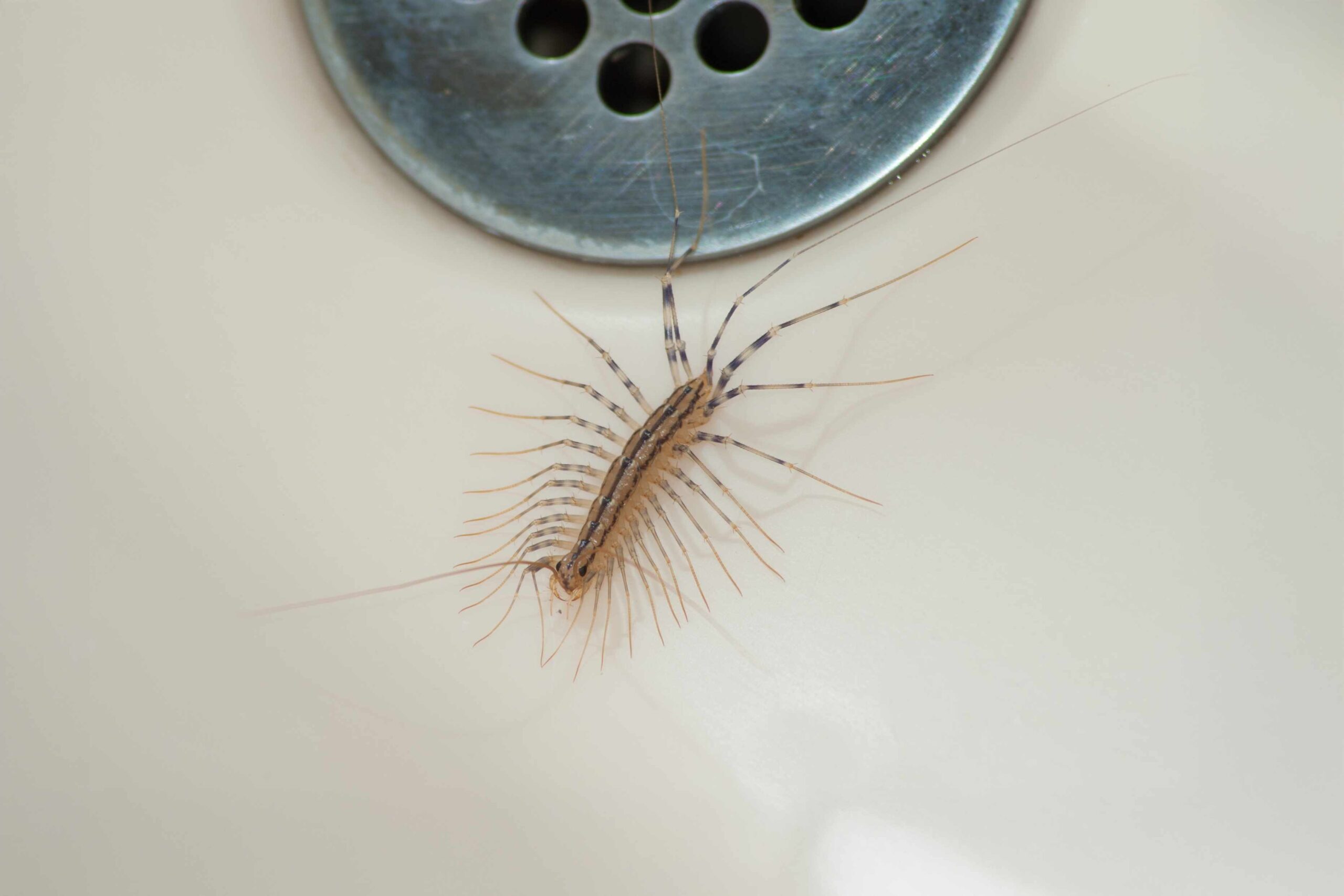
Spotting a centipede crawling across your bathroom floor is a visceral kind of nightmare. They look like something out of a horror movie, all legs and intent. But before you panic-buy a can of industrial spray, take a breath. Centipedes aren’t trying to take over your home. They are hunting.
They follow a food chain. Ants. Spiders. Silverfish. Roaches. When you see a centipede, you’re usually seeing a predator following prey into your living space.
It’s simple biology. They want to eat. And they want to hide.
To truly stop centipedes from entering your home, you have to change the environment they thrive in. It isn’t just about killing the bug you see on the tile. It’s about making your house unwelcoming to the entire ecosystem they rely on.
Зміст
The Real Drivers: Why They Show Up
Weather shifts. Temperature drops. Heavy rain. These are common triggers. Centipedes seek shelter when conditions outside become hostile.
But there is a deeper draw. Moisture is their fuel. Dark corners are their armor.
According to Kris Bagnara, an associate certified entomologist at All U Need Pest Control, these arthropods are nocturnal and light-sensitive. They hide in nooks and crannies. If you leave a light on, you might miss them entirely. They wait in the shadows.
Allan Bossel, a licensed exterminator with Bed Bug Exterminator, points out that humidity is the biggest lure. They congregate in bathrooms. Kitchens. Basements. These spaces offer the dampness they need to survive.
“They [are] attracted to moist interior because these spaces attract their prey,” Bossel explains.
It’s a double trap. The moisture attracts the centipede. The moisture attracts the bugs the centipede eats.
Signs of a Centipede Problem
Seeing one centipede doesn’t mean you’re infested. Older homes often have occasional visitors. It happens. But consistency is the warning sign.
If you’re spotting them daily, something is off. Look for these indicators:
- Increased Sightings: Not just one. Many. Frequent.
- Shed Skins: Centipedes molt as they grow. Bossel describes these as “translucent… dull, lifeless versions” of the bugs themselves. Finding a molt means a centipede lived there, ate, and grew. That implies a food source is available.
- Grouping: If you see several in one spot, they’ve found a comfortable shelter. Or a buffet.
- Other Pests: A surge in ants or roaches is often the precursor to a centipede appearance. The centipede arrives after the appetizers are served.
Don’t ignore the moltings. They are evidence of an established population, not a transient visitor.
How to Keep Centipedes Out For Good
You can’t just spray the bug and call it a day. That’s a bandage on a bullet hole. You need to close the door.
Experts agree on the first rule of defense: eliminate their food.
“Keeping your home pest-free is one of the most effective deterrents,” says Bagnara. Remove the food, remove the centipede. It’s that logical.
Keep clutter down. Vacuum crumbs. Seal cracks around windows and doors. Centipedes slip through gaps that other bugs might ignore because they are flat and flexible. Weather stripping degrades over time. Check it. Fix it.
Then, address the water.
“Use dehumidifiers,” Bagnara advises. “Fix water leaks. Unclog gutters.” Standing water is an invitation. Drying out basements and bathrooms removes the comfort factor. Make the environment dry, cold, and exposed. Centipedes hate that combination.
Natural Remedies and Quick Fixes
Sometimes you need immediate action. You don’t want chemicals. You want something safe for humans but lethal to bugs.
Diatomaceous earth (DE). It’s a non-toxic powder to people but abrasive to insects. Bossel suggests mixing vinegar, dish soap, water, DE, and water. It creates a natural barrier.
Bagnara emphasizes dehumidification again. Because prevention beats elimination every time.
Where Do They Hide?
If you need to look, start with the damp, dark, and forgotten places.
Basements are ground zero. Under sinks. Near drains. Water spouts. These are high-moisture zones with low traffic. Bossel also notes to check attics and crawlspaces for entry points. These areas often have small cracks that connect the outside world to your inner sanctuary.
Centipedes prefer undisturbed locations. If you vacuum regularly, clean regularly, and keep things dry, you remove the undisturbed sanctuary they need.
It’s not about warfare. It’s about housekeeping.
So, what’s the bottom line? Stop the leak. Fix the seal. Clear the clutter. Kill the roaches. The centipedes will leave. They always do. They’re just looking for a place to live. If you make it a place they can’t live in, they’ll move on.
Unless they’re already inside. In which case, good luck cleaning up those molts.


