


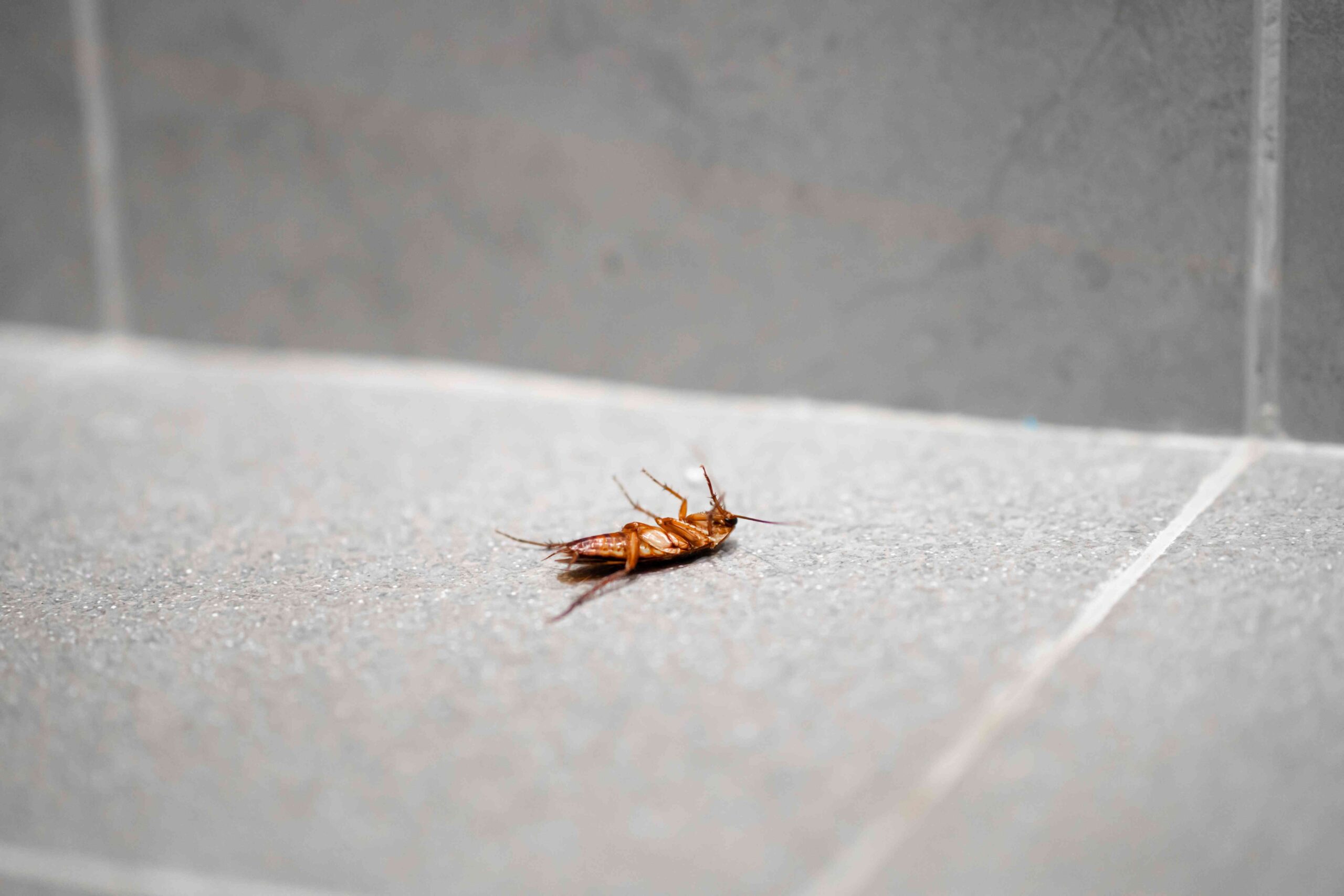
Diatomaceous earth works. But it’s not the magic bullet many people imagine it to be.
It is a natural pesticide. Specifically, an inorganic one. It kills cockroaches by destroying the wax layer on their exoskeleton. The result? Severe dehydration.
But is it the best option for your home? That depends on your timeline.
Dr. Changlu Wang, an extension specialist in entomology at Rutgers University, offers a blunt assessment. DE dust is effective. However, it is slower-acting than boric acid. If speed is your priority, diatomaceous earth might leave you frustrated.
Here is the reality of using DE to control roach populations—and what else you need to do to actually get rid of them.
Зміст
How Diatomaceous Earth Kills Cockroaches
To understand the mechanism, look at the source.
Diatomaceous earth (DE) consists of fossilized diatoms. These are tiny, aquatic organisms. They leave behind deposits in underground reserves around the world.
When processed into dust, the particles have microscopic sharp edges.
As insects crawl through DE, these abrasions damage their protective outer shell. The dust absorbs the oils and fats from the insect’s cuticle. Water loss accelerates. The roach dries out and dies.
Simple. Brutal. Effective.
But slow.
Dr. Wang notes that while DE can control populations, boric acid remains the superior chemical for speed. DE is a war of attrition. Boric acid is a quick strike.
Applying Diatomaceous Earth Correctly
Most people fail because they apply it wrong. Or they stop too soon.
If you want to use DE effectively, treat it like a tactical operation, not a sprinkle.
- Use the right dispenser. Place DE in a dry plastic bottle with a narrow nozzle. A ketchup bottle or mustard bottle works. You need precision. You are targeting cracks, crevices, and voids.
- Target the hiding spots. Apply a thin layer. Do not create mountains of dust. Roaches avoid thick piles. Target door and window frames. Look under sinks. Along baseboards. Anywhere they can sneak.
- Keep it dry. Moisture neutralizes DE’s effectiveness. It must remain dry to work.
- Wait. Let the dust sit for 7 to 10 days minimum.
- Vacuum and repeat. Remove dead roaches and spent dust. Reapply. Continue this cycle for at least one month.
One application is rarely enough to break a breeding cycle. You need persistence.
Safety Warnings: The Dust is Dangerous
DE is natural. It is also abrasive.
Do not skip protective gear. Wear a mask.
Inhalation is the primary risk. DE irritates the nose and nasal passages. Inhaling a large amount can trigger coughing. Shortness of breath. It damages your respiratory system.
It also irritates the skin and eyes. Handle with care. This is not table salt.
Preventing Roach Infestations
DE kills roaches. Prevention keeps them from returning.
Chemicals are useless if you are providing a five-star resort environment for pests. You need to remove the attractants.
- Eliminate clutter. Cardboard boxes are roach condos. They provide shelter and breeding grounds. Get rid of them.
- Sanitize daily. Kitchen counters. Sinks. Floors. Crumbs are food sources. Remove them every single day.
- Fix leaks. Water is essential for survival. Repair small leaks in bathrooms, kitchens, and laundry rooms immediately.
- Manage trash. Empty interior bins daily. Recycling included.
- Handle pet food carefully. Store pet food in sealed containers. Remove water dishes at night. Do not leave a buffet open for them.
- Seal entry points. Use caulk or sealant around doors, windows, baseboards, and plumbing. Stop them from getting in.
- Vacuum thoroughly. Use a vacuum with a HEPA filter. Capture live roaches, feces, egg cases, and shed skins. These contain pheromones that attract others. Remove them all.
Common Questions About Diatomaceous Earth
How long does it take to work?
Patience is required. DE does not kill on contact like spray pesticides. It also does not affect roach eggs. If used alone to eliminate an infestation, expect a timeline of three to four weeks. It is not an overnight fix.
Is there a faster homemade alternative?
Boric acid is generally faster.
You can create a bait by mixing equal parts boric acid, flour, and sugar. Sprinkle this mixture in problem areas. The roaches eat it, carry it back to the nest, and share it. The colony collapses quicker.
But there is a catch. Never place boric acid bait where children or pets can reach it. Keep it away from shelves, counters, and areas where food is prepared. Safety first.
The Spruce relies on reputable sources, including peer-reviewed studies, to verify facts. The primary source for DE information cited here is the National Pesticide Information Center at Oregon State University.
Roaches are resilient. DE is a tool, not a guarantee. It works best when combined with rigorous sanitation and sealing. Ignore the prep work, and the dust will do little more than sit there. Use it right, keep the house clean, and eventually, you will stop seeing them.


