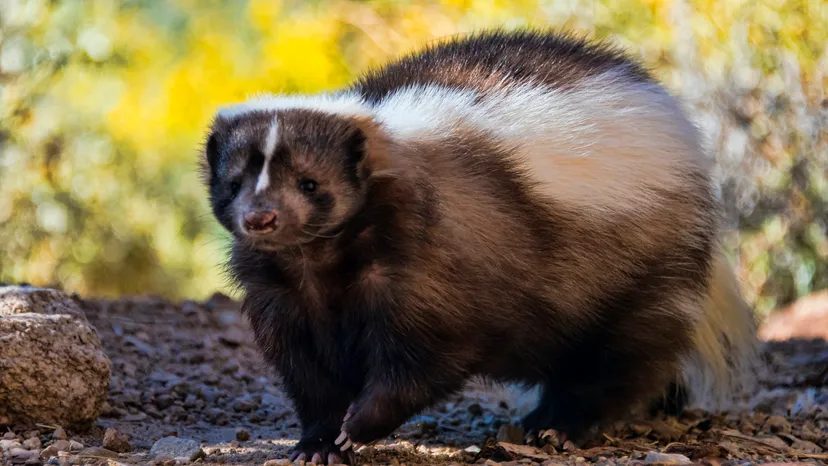
Skunks are opportunistic eaters. They devour grubs, insects, small rodents, carrion, and even your garden’s fruits and vegetables. But most homeowners don’t care about their diet. They care about the spray. That signature scent is nasty. It lingers. It ruins everything it touches.
If you’re dealing with a skunk problem, you need a solution. A skunk repellent can help keep them off your property. We will show you how to make a natural skunk repellent using items from your kitchen. We will also cover best practices for keeping these unwanted visitors away from your home.
Зміст
Why Homeowners Need Skunk Repellents
Skunks are a significant nuisance in residential areas. Their primary issue is the foul-smelling liquid they spray. This scent is not just unpleasant. It is notoriously difficult to remove. It can linger for days or even weeks. The odor permeates the air, infiltrating your home and outdoor spaces.
They also rummage through garbage cans. They scatter trash, creating a mess you have to clean up. They dig up your lawn and garden to eat grubs and insects. They might have unfortunate encounters with your pets.
There are more reasons to deter them. Skunks can carry diseases like rabies. This poses a risk to humans and pets. Their burrowing habits can undermine structures like decks, sheds, and even house foundations. This leads to costly repairs. These factors combine to make skunks unwelcome guests.
How to Repel Skunks From Your Property
The best way to repel skunks is to discourage them from visiting in the first place. Prevention is easier than cleanup. Use these preventive measures to make your property less attractive:
- Keep your trash cans tightly covered. Ensure the cans cannot be tipped over.
- Feed your pets indoors. Empty bird feeders at night. Skunks will eat almost any type of food, especially from pet bowls.
- Remove piles of wood, compost, or junk. Skunks use these to build dens. If you cannot move the pile, cover it securely with a heavy tarpaulin.
Natural Ingredients Make the Best Skunk Repellent
If you have a skunk problem, try repelling them with natural solutions. These are effective and eco-friendly.
- If skunks are snacking on your vegetables, spray the plants with a mixture of water and hot pepper.
- If you prefer not to use spray, plant cucumbers, squash, or other prickly-leaved plants among your vegetables. The texture deters them.
- If you suspect a family of skunks has made a den, boil one chopped yellow onion, one chopped jalapeño pepper, and one tablespoon of cayenne pepper in two quarts of water for 20 minutes. Strain the liquid. Pour it into a spray bottle. Squirt it all around the skunks’ den.
- If skunks are walking around your front or back path or porch, place a rag in a bowl of ammonia on the ground. The smell keeps them away. Keep the ammonia away from grass or plants, as ammonia will burn them.
Best Commercial Solutions to Repel Skunks
If you want a quick fix and do not want to mess around with peppers and oils, consider proven commercial animal repellents.
PredatorPee Coyote Urine Trigger Spray Bottle
This repellent uses the natural instincts of skunks against them. It exploits their fear of predators. It contains coyote urine. Apply it around the property’s perimeter using scent tags. The effect lasts for about a month per application.
Essentially KateS Peppermint Essential Oil
This is a natural repellent. It uses the strong scent of peppermint oil to deter skunks. Dilute and spray it around your home. Besides repelling skunks, you can use it as a household cleaner and air freshener.
RibRave Ultrasonic Animal Repeller
Electronic skunk repellents are another option. This device uses ultrasonic sound waves and flashing LED lights to keep skunks and other animals away. It is solar-powered and waterproof, with a 26-foot range. It is ideal for outdoor use but may require multiple units for larger areas.
The Best Skunk Repellents: Safe and Effective
Whether you choose a spray concoction that skunks hate or electronic repellents, these methods work. You can also find solutions involving garlic oil and black pepper, although results may vary.
The key is finding a safe, humane, and eco-friendly way to tell these skunks to take a hike. Don’t get skunked. Your property and health are worth protecting.
“The key is to find a safe, humane, and eco friendly way of telling these skunks to take a hike.”
This article was updated in conjunction with AI technology, then fact-checked and edited by a HowStuffWorks editor.