You look out at your deck. It’s a graveyard with a few patio chairs, mismatched umbrellas, and a half-burnt citronella candle. It sits there unused while real life happens in the house. It doesn’t have to stay that way.
A properly placed outdoor fireplace changes the whole dynamic. It turns a forgotten slab of wood or concrete into magnets. People gather here. they stay. They toast marshmallows. It adds light. It adds heat. The space can be used when the air turns crisp and winter threatens to close everything.
But you aren’t building a fire pit. You are not buying a portable propane heater. You are looking for a permanent structure. This changes the math. The costs are higher. The commitment goes even deeper. Once the masonry is built, it cannot be replaced with a cheaper one next year. You have to get it right the first time.
This is how you design a permanent outdoor fireplace without wasting money or causing a fire hazard.
Зміст
Evaluate the cover before designing
Start by looking at your feet. Then look further.
Most decks are not sprawling mansions. They are practical spaces. You need to know exactly what you are dealing with. If you install a massive stone monolith on a narrow deck looks like a failure. It will overwhelm the area. The space feels small.
The fireplace should be a heater and an atmosphere-creating role, but it should not dominate the entire building. It needs to fit.
Consider line of sight. Where should the fireplace be placed in relation to the house? Does it clash with the siding? Does it complement the roofline? It doesn’t have to be an exact match. You can install a rustic stone fireplace on your modern deck. But it shouldn’t look like it was stolen from another home.
Placement is not just aesthetic. It is regulatory.
Territorial legislation exists for a reason. They dictate set-backs. In many jurisdictions, you cannot install a permanent fireplace right up against the house. There are fire codes. Distance requirements have been set for the buildings from property lines. Check local regulations before purchasing bricks.
Also consider privacy. You want the heat. You don’t want the wind blowing smoke into your neighbor’s face or eyes. Direction is important.
“The placement of the fireplace is important because it affects the overall look of the deck. However, the final location can be affected by zoning regulations, as fireplaces often have to be placed a certain distance from the house.”
If you don’t feel comfortable spending thousands of dollars on a permanent installation, buy a chiminea. or portable gas appliances. Use it for a season. Let’s see how we use the space. Does the fire actually bring you outside? Or does it just burn fuel? Temporary units are low-cost test drive that fit your lifestyle.
The Cost of Expertise and Permits
Can you build this yourself?
Technically yes. Practically, maybe not.
A real outdoor fireplace requires masonry. It includes structural integrity. If you are using gas, you need a natural gas line. Gas lines are not DIY projects for amateurs. If you make one mistake, you could end up with a bomb. If you make one mistake, you have a code violation and your home insurance policy will be void.
Hiring a professional can often be faster and cheaper than you think. Contractors have the tools and experience to avoid costly mistakes made by do-it-yourselfers. They know where to take shortcuts safely. They know where to spend the extra money.
Get quotes. Multiple quotes.
These consultations are usually free. Use them. Ask the contractors for the materials. Ask them about their design quirks. You might learn something from their experience that you never thought possible.
Permits are another reason to hire a professional.
Local governments are concerned about the height of chimneys. They care about clearance. In some areas, even if it is legal to build a fireplace, you need a special burning permit to use it. An expert handles the paperwork. They make sure the chimney is tall enough to prevent drafts. They ensure the foundation is solid.
Wood, gas and gel: fuel matters
You have to decide what burns. This decision determines the height, width and maintenance of the devices.
Wood-Burning
The wood is original. It smells like wood. It crackles. It feels very real.
But it also comes with luggage. A wood-burning fireplace requires a chimney. The chimney is very tall. They reach straight to the sky. If not designed properly, they can become an eyesore. The fireplace must be large enough to fit the logs and collect the ashes.
Wood burns hotter than gas. If warmth is your primary goal, wood is the best choice. But you are also committed to work. You have to buy wood. You have to cut it out. It is necessary to light a fire. The ash must be cleaned every time. Chimneys must be cleaned annually to prevent creosote build-up, which can cause fires.
Petrol
Gas is very convenient. Flip the switch or turn the knob. The fire is already burning. Turn it off. The fire went out. There are no ashes. The rising smoke does not get into guests’ hair.
Gas fireplaces use vents. These are smaller than chimneys. It takes up less vertical space. This allows it to easily fit on small decks or areas with height restrictions.
The downside is the infrastructure. You need a gas pipe leading to the deck. This requires a professional plumber or gas mechanic. The initial costs are higher. If the pipes are leaking or the valves are not working, you need to have it repaired by a professional. But you get consistency. control becomes possible.
Gel Burner
Avoid fireplaces that burn gel.
Gel fuel uses canned alcohol-based gel. They advertise themselves as “clean” and “non-drug”. Recent events have shown that they can be dangerous. When tilting, the gel spreads quickly. Once a fire starts, it’s hard to put it out. It’s not worth the risk of installing it permanently. Use wood or gas.
Choose a long-lasting style
The style behind you should reflect its functionality and home.
Is it a simple rectangular steel box? A simple pile of rocks? A stylish modern cube?
The choice of material affects durability. Steel heats up quickly and rusts if not maintained. Stone is durable, but expensive and heavy. Brick is somewhere in between: classic, durable and relatively affordable.
Consider the surrounding roofing material. If you have a laminate floor, you need to make sure that the heat source does not damage the floor. If you have a wooden board, you need to clean it and protect it from sparks.
Style is not just appearance. It is important how the structure interacts with the elements and the users. A hooded structure can provide better wind protection than open pits. The seat edge allows people to stay longer.
Decide on your style early. Decide on the material. It determines the cost. It defines your footprint.
(Continued in Part 2, we go into detail about specific materials, construction methods, and safety inspections.)
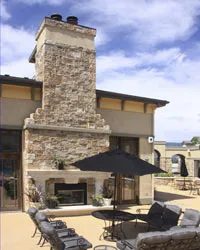
The appearance of your fireplace is just as important as its internal mechanics. You watch it every night. It frames the fire. It defines the space.
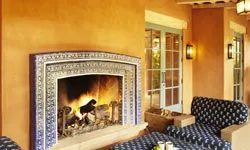
There are several options for the exterior. The stone is classic. Bricks provide texture. Stucco is a smooth option. Tiles can be used to add specific accent or add color. If you want something customized, hire a craftsman to outline the design in the style you want. Do you want modern lines? Rustic charm? Southwest or Mediterranean? These materials can work with almost any architectural style as long as they match your home’s current aesthetic.
Effect of material selection on costs and service life
Budget often dictates finish. Stucco is the cheapest affordable option. Applying is easy. But it has its downside. Over time, it crack over time. Nor does it have the visual weight or craftsmanship of stone or brick. If you’re looking for a long-lasting, high-end look, stone or brick will be more expensive. Pay for materials and labor properly to install.
What features do I need to add?
Once you have completed the basics (concrete foundation slab, firebox, chimney, ventilation system), you can explore the additions. Now you can decide if this is just a heater or an entertainment center.
Multi-functional setups is very popular. A built-in grill can be included. Add an outdoor sink for cleaning. Set up a small bar area for mixing drinks. These will make your fireplace the focal point of your party.
Seating is key. A permanent bench is built into the fireplace structure, which saves space and creates a uniform look. removable cushions allows you to wash it or bring it indoors on rainy days.
Practical details make life easier. Built-in wood storage means you don’t have to carry wood from the garage every time you light the fire. Keep the area clean.
Decoration is the last layer. Potted plants soften hard edges. An outdoor rug defines the seating area. This gives the space a lived-in.
Basics of fire safety
You have a new fire source. Please be respectful.
- ** Supervise.** Never leave a fire unattended, especially if there are children or pets around.
- Have an exit strategy. Keep a fire extinguisher nearby. It is also a good idea to connect a garden hose and prepare it for use. A bucket of sand is useful in an emergency.
- Know your limits. If the fire is too big or you cannot control the embers, put it out. Don’t put your deck or your home at risk.
The design is yours. Safety is non-negotiable.