


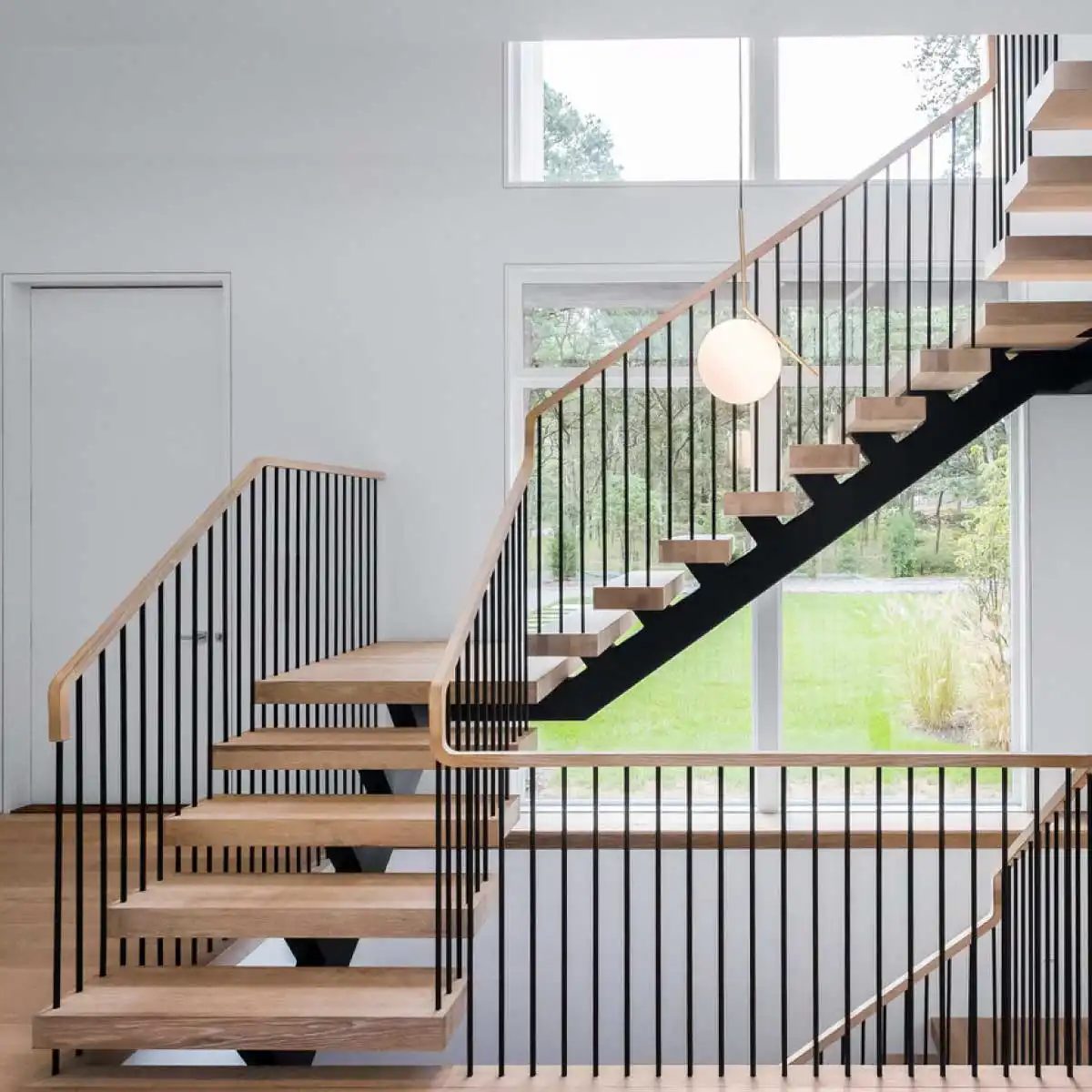
Every detail in home decor matters. The security, aesthetics, and functionality of your interior and exterior spaces define the atmosphere of your house and directly impact your quality of life. Handrails play a significant role here. Railing systems are chosen not only for safety but also for the sleek look they bring to a space.
Handrails can be installed on stairs, balconies, terraces, in gardens, and in many other areas. They are an ideal option for ensuring safety at heights. Plus, they can divide spaces to create distinct zones within a home.
Зміст
Why Handrails Are Essential for Home Design
When thinking about handrail design for homes, it is not just about aesthetics. It is about creating a functional boundary. A well-chosen railing system secures high areas while adding a touch of elegance. Whether you are looking at an interior staircase or an outdoor balcony, the right choice makes a difference.
These systems help in dividing spaces. You can use them to separate a living area from a dining space or to mark the edge of a patio. The goal is to blend safety with style.
Materials and Tools for DIY Installation
If you are planning to install handrails yourself, you need to know what materials work best. Common options include wood, metal, and glass. Each material has its own pros and cons.
Wood offers a warm, natural look. It is easier to work with for DIYers who have basic carpentry skills. You will need a saw, drill, screws, and a level. Sandpaper and stain or paint will finish the look.
Metal, such as aluminum or steel, is durable and modern. It requires welding skills or pre-drilled mounting kits. You will need a welder, metal cutters, and protective gear. Safety glasses and gloves are a must.
Glass provides a sleek, open feel. It requires tempered or laminated glass for safety. Installation involves specialized brackets and careful handling. You might need a glass suction cup and a helper.
Safety First
Safety is the primary function of any railing system. Ensure that the height meets local building codes. Typically, handrails should be between 34 and 38 inches high. The balusters, or vertical posts, should be spaced no more than 4 inches apart to prevent small children from slipping through.
Check your local regulations before starting. Different areas have specific rules about load-bearing capacity and design. Ignoring these can lead to legal issues and, more importantly, unsafe conditions.
Step-by-Step Installation Tips
- Measure Accurately : Start by measuring the length of the area where the handrail will go. Mark the positions for the posts.
- Prepare the Surface : Ensure the surface is clean and level. For wooden decks, check for rot or damage. For concrete, use appropriate anchors.
- Install Posts First : Secure the vertical posts before attaching the handrail. Use a level to ensure they are plumb.
- Attach the Handrail : Once the posts are secure, attach the handrail. Use screws or brackets as recommended by the manufacturer.
- Finish and Inspect : Sand any rough edges. Apply stain or paint if using wood. Inspect the entire system for stability.
Choosing the Right Style
The style of your

Why Railing Design Matters More Than You Think
It’s not just about keeping people from falling off the stairs. It’s about defining a room.
Railing systems have evolved from pure safety requirements into central decor elements. They frame spaces. They guide the eye. And in modern home renovation, ignoring them is a costly aesthetic mistake.
You might think of railings as an afterthought. A quick fix during construction. But look closer. A poorly chosen railing can ruin a minimalist living room. A well-chosen one can elevate a basic balcony into a lounge area.
Material Choices: Wood vs. Metal vs. Glass
The material you pick sets the tone for the entire space. It’s not optional.
Wood offers warmth. It’s natural. It feels grounded. If your home leans toward rustic, vintage, or farmhouse styles, wood is your go-to. It ages well. It absorbs sound. It just feels like a home.
Metal brings edge. Think industrial chic or sleek modern lines. Steel and wrought iron are tough. They’re durable. They don’t rot. They work best in lofts or contemporary builds where clean lines matter more than comfort.
Glass and stainless steel are the winners for transparency. They don’t block light. They don’t clutter the view. If you have a stunning garden or a high-ceiling living room, glass railings let the architecture breathe. They’re stylish. They’re safe. But they can be slippery. And they require constant cleaning.
Indoor Applications: Where to Place Them
Inside the house, railings do more than separate floors.
In living rooms, open-concept designs often use partial railings to define zones without closing off space. A glass railing here keeps the room feeling huge. A wooden one adds coziness.
On staircases, the railing is the backbone. It’s the thing you hold when you’re tired. It should be sturdy. It should feel good in your hand. Smooth wood. Cold metal. Textured stone. Your choice affects daily comfort.
On balconies (if indoor-accessible), they create a boundary between private and public. A low-profile metal rail can make a small apartment feel larger by not blocking sightlines.
Outdoor Applications: Safety and Style
Outside, the stakes are higher. Weather takes its toll.
Patio railings need to withstand sun, rain, and wind. Metal won’t warp. Wood will. If you choose wood for a deck, you must seal it. Every year. Failure to do so leads to rot. And rot is expensive.
Pool areas require specific safety standards. Glass panels are popular here because they don’t hide what’s happening in the water. Visibility is safety. Metal posts are common because they resist corrosion better than cheap alloys.
Garden dividers use railings to mark paths or separate flower beds from walking areas. This isn’t just decor. It’s navigation. It tells guests where to walk. It keeps kids away from the compost bin.
How to Choose the Right Railing for Your Home
Ask yourself three questions.
- What is the primary function? Is it safety? Privacy? Or just style?
- What is the existing material palette? If you have hardwood floors, match the wood tone. If you have steel appliances, lean
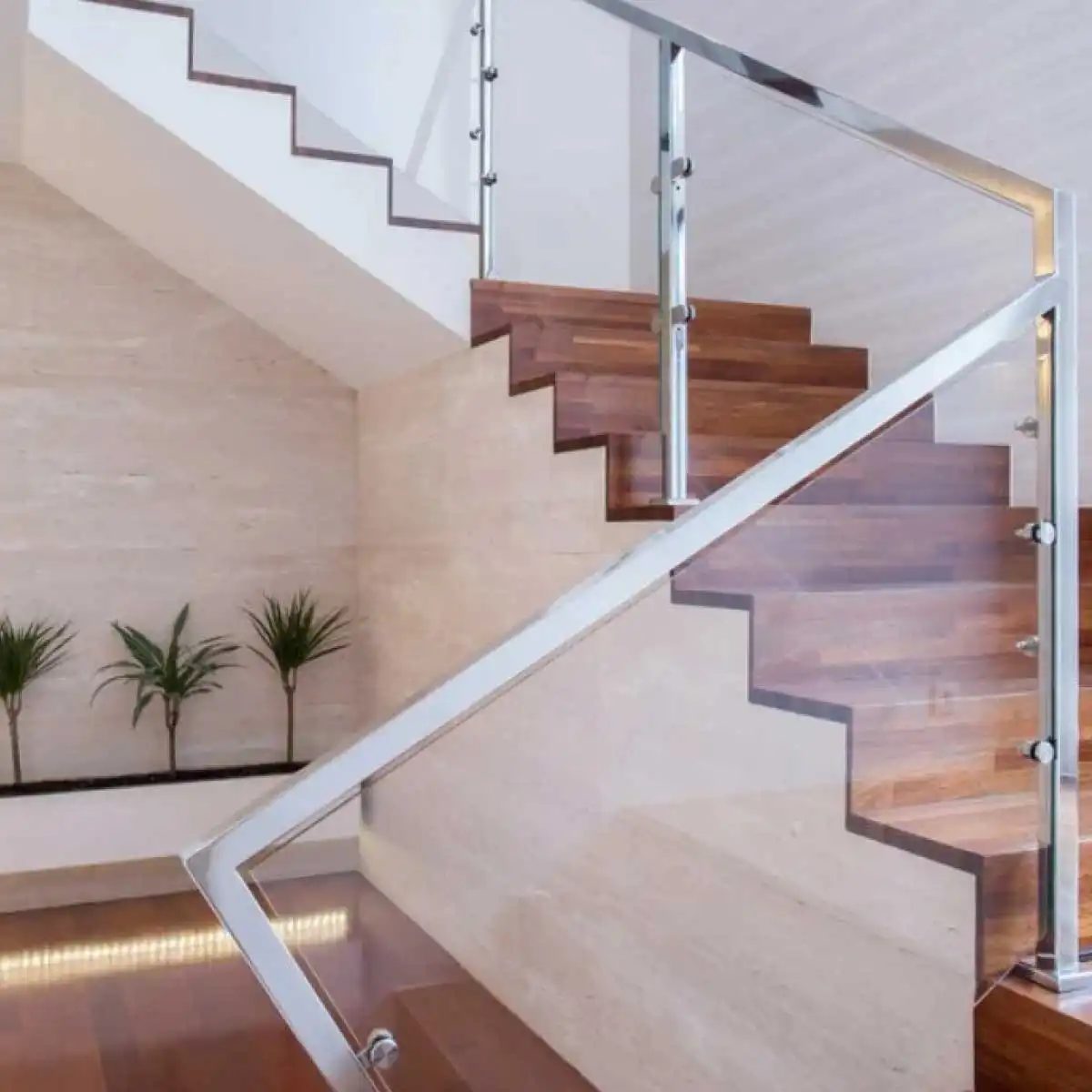
Küpeşte sadece bir güvenlik elemanı değil, mekanın karakterini belirleyen bir detay. Dekorasyon planı yaparken göz ardı ettiğiniz bu parça, hem estetik bütünlüğü sağlar hem de fonksiyonel bir işlev görür. İç mekanda olsun dış mekanda, doğru seçilmiş bir sistem evin havasını tamamen değiştirir.
Merdivenlerde Küpeşte Seçimi
Merdivenler evin omurgası gibidir. Buradaki merdivenlerde küpeşte tasarımı, adım attığınız her an göz önünde olur. Sadece düşmemek için değil, bakış açınızı şekillendirmek için önemlidir.
Malzeme seçimi tarzınızı ortaya koyar. Ahşap sıcaklık katar. Metal endüstriyel ve modern bir hava verir. Cam ise mekanı daha geniş ve ferah gösterir. Modern bir ev planlıyorsanız, cam rail sistemleri en temiz görünümü sunar. Rustik veya klasik bir tarz seçtiyseniz, ahşap korkuluklar o dokuyu tamamlar. Metal ise minimalizmi sevenler için idealdir.
“Küpeşte, merdivenin sadece bir parçası değil, tüm tasarımın tamamlayıcı unsuru olmalıdır.”
Balkon ve Teraslarda Güvenlik Çözümleri
Açık alanlarda vakit geçirmek için güvenli bir zemin şarttır. Balkonlarda küpeşte kullanımı, manzarayı kapatmadan güvenlik sağlar. Geniş cam paneller veya ince demir profiller, görüş alanını engellemez. Bu sayede dışarıya açılan pencere görevi görür.
Montaj sırasında duya yapısına dikkat etmek gerekir. Yanlış montaj, uzun vadede gevşemeye ve ciddi kazalara yol açabilir. Özellikle yüksek katlarda, çelik veya alüminyum sistemlerin dayanıklılığı ön plandadır. Cam kullanacaksanız, temperli veya laminat cam tercih etmek hayat kurtarır.
Bahçe ve Havuz Başında Küpeşte
Dış mekanlarda küpeşte, alanları bölmek için de kullanılır. Bahçede farklı köşeler yaratmak, bahçede küpeşte uygulamaları ile kolaylaşır. Ahşap veya metal örgü sistemler, görsel bütünlüğü korurken gizlilik sağlar.
Havuz kenarları ise kritik noktalardır. Kaygan yüzeylerde düşme riski yüksektir. Bu nedenle, kaymaz yüzeyli malzemeler ve yükseklik standartlarına uygun sistemler şarttır. Metal çubuklar arası mesafe, çocukların geçemeyeceği şekilde ayarlanmalıdır.
İç Mekan Bölmelerinde İşlevsellik
Küpeşte sistemi, odalar arasında duvar örmek yerine alanı tanımlamak için de kullanılabilir. İç mekanda küpeşte düzenlemesi, açık plan mutfak veya salonlarda işe yarar. Mutfak ile yemek alanını fiziksel olarak ayırmadan, zemin veya yükseklik farkıyla
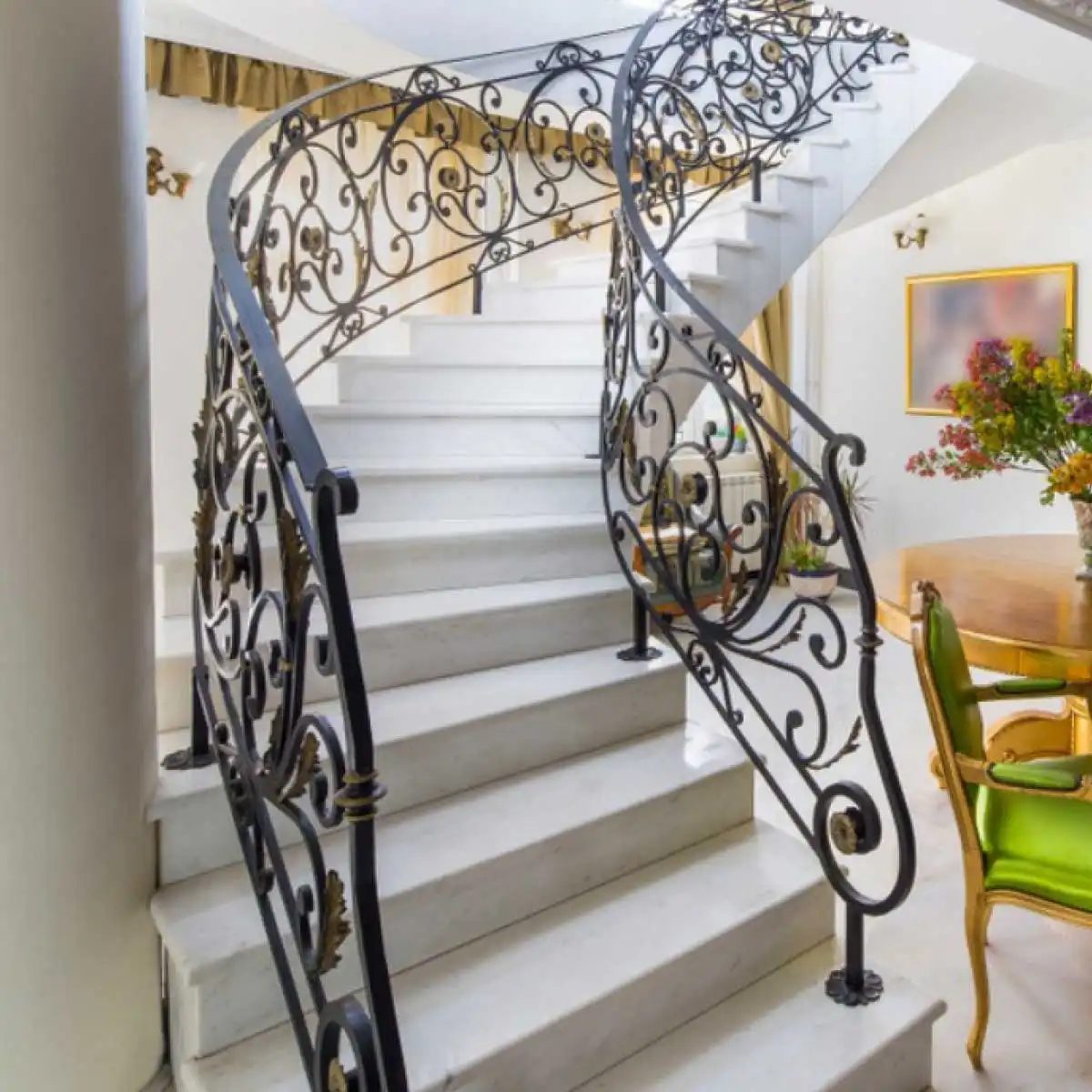
Evinizdeki güvenlik boşluklarını kapatmak ya da o geniş, açık plan salonu daha kişisel hissetmek istiyorsunuz. Küpeşte sistemi sadece bir bariyer değil, mekânın iskeletini tamamlayan bir detay. İçeride mi, dışarıda mı? Bu karar, malzeme seçiminizi doğrudan etkiler.
Güvenlik her şeyden önce gelir. Merdiven kenarlarında, ikinci kata açılan balkonlarda veya yüksek platformlarda düşme riskini sıfıra indirmek için yüksek ve sağlam bir parça şart. Çocuklar ve evcil hayvanlar için fiziksel bir engel oluşturur. Sadece iç mekanlarla sınırlı kalmaz. Teraslar, bahçe katları veya üst kata çıkan dış merdivenler için de vazgeçilmezdir. Düşme riskini minimize eden bu sistemler, ailenizin rahat hareket etmesini sağlar.
Mekânı bölmek istiyorsanız ama duvar örmeden geçiyorsanız, çözüm küpeşte. Salon ile çalışma alanını ayırmak veya açık plan bir odayı zonalara ayırmak için kullanılır. Görsel bütünlüğü korurken fonksiyonel sınırlar çizer. Böylece eviniz daha işlevsel hale gelir. Karmaşık bir dekorasyon yerine, sade ama belirgin bir ayırıcı ile mekânı düzenleyebilirsiniz.
Estetik açısından bakıldığında, malzeme ve stil seçimi evin karakterini belirler. Modern, klasik, rustik veya endüstriyel tarzlara uygun yüzeyler bulunur. Farklı renklerle evinizdeki mevcut mobilyalarla uyum sağlayabilirsiniz. Zamanla paslanmaz, çürümez seçenekler tercih etmek, uzun vadede estetik bütünlüğü korumanıza yardımcı olur.
Doğal ışığı içeri almayı sevenler için cam veya şeffaf paneller idealdir. Karanlık koridorlara, merdiven altı boşluklara veya penceresiz odaya ışık sızmasını sağlar. Ferah bir atmosfer yaratır. Görsel akışı kesmez, mekânı daha büyük gösterir. Özellikle dar alanlarda ışık geçişini engellemeyen şeffaf çözümler, evin nefes almasını sağlar.
Bakım kolaylığı da büyük bir avantajdır. Ahşap sistemler düzenli temizlik ve vernikleme gerektirir. Doğal görünümü severseniz sık bakım yapmanız gerekir. Metal veya çelik ise paslanmaz özelliği sayesinde uzun ömürlüdür. Toz alması kolay temizlenir. Yıllar içinde rengi solmaz veya şekli bozulmaz. Dayanıklı ve pratik bir tercih olur.
Küpeşte Malzeme Çeşitleri ve Özellikleri
Hangi malzeme evinize uygun? Bu sorunun cevabı, kullanım alanınıza ve bütçenize göre değişir. Her malzemenin kendine göre artıları ve eksileri vardır.
- **
Choosing the Right Railing Material for Durability and Style
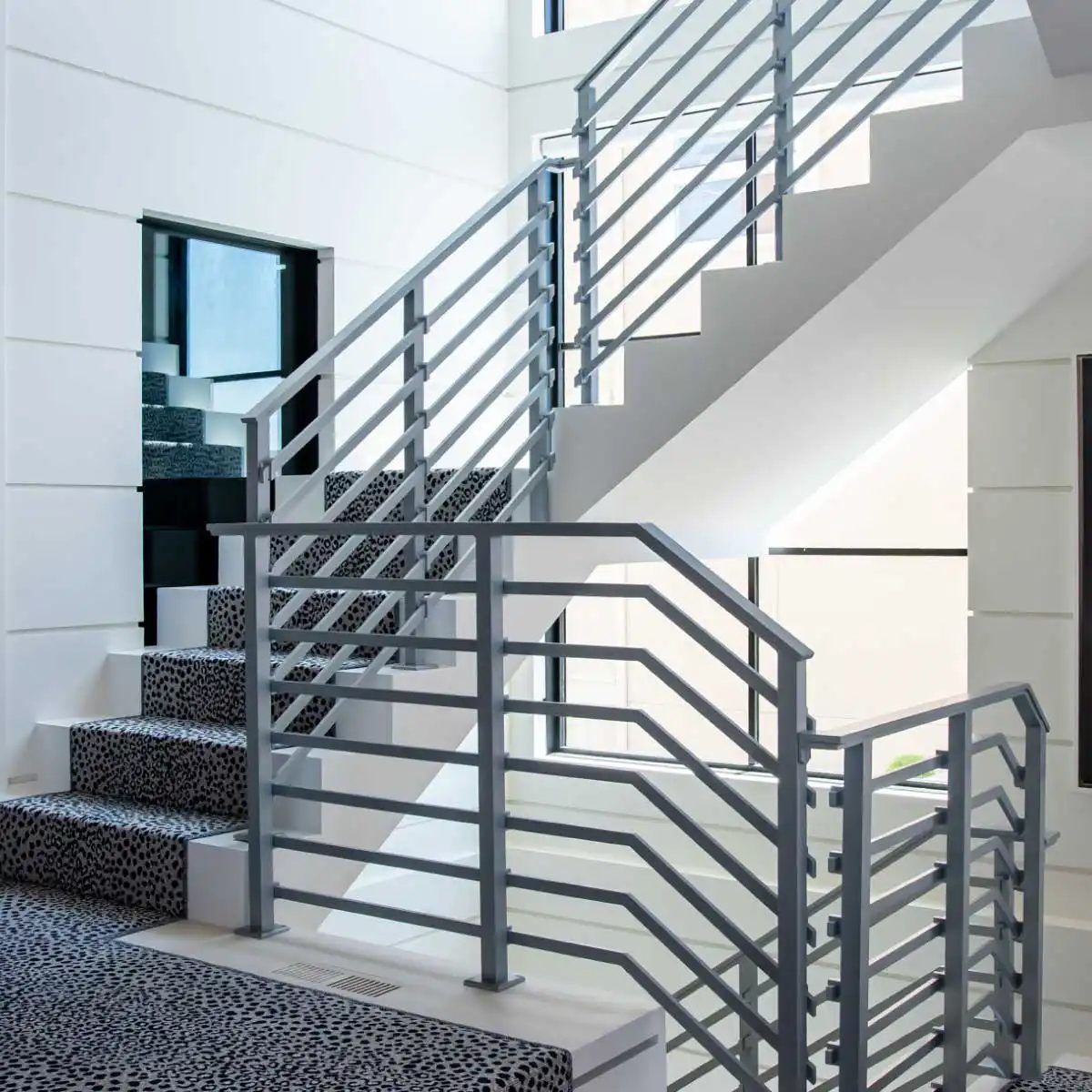
The material you pick defines the lifespan of your railing project as much as it defines the look. It isn’t just about what looks good on Pinterest. It’s about whether it survives your climate, your maintenance habits, and your budget.
Wood offers warmth. It feels natural under your hand. But it demands work. If you skip the varnish, the rain wins. You’re looking at rustic, vintage, or classic styles here. You can stain it to match your floors or paint it white for a crisp contrast. Just remember: wood is high maintenance. It needs regular sealing.
Metal takes a different approach. Stainless steel, aluminum, or wrought iron are the staples. They fit modern and industrial homes perfectly. The finish is usually either polished to a shine or matte for a subdued look. They’re tough. They resist impact. Cleaning them is a quick wipe-down. No fuss.
Glass changes the atmosphere entirely. It’s transparent. It lets light bounce around where it’s usually stuck. Use it in dark hallways or under staircases. Suddenly, the space breathes. The view stays open. But the glass must be thick. Tempered. Safety first. If it’s not durable, don’t use it in high-traffic areas.
Stainless steel is the heavy lifter. It’s strong. It’s durable. It handles water and outdoor elements without flinching. If you’re doing an exterior deck or a coastal balcony, this is your go-to. It adds a sleek, industrial edge without corroding over time.
Why Railing Systems Are Non-Negotiable for Safety
You might think a railing is just decoration. It’s not. It’s a barrier.
Its primary job is to prevent falls from heights. Merely a staircase. A balcony. A terrace. A backyard patio. Without it, those spaces are liabilities. You’re not just adding style. You’re creating a safe boundary.
But there’s a secondary function. Railing partitions space. They define zones without closing them off. Use a railing to separate a living area from a dining space. Or to keep pets away from the stairs. It’s about flow. It’s about control.
Where to Install Your Railing
You aren’t limited to one spot.
- Stairs: The most obvious. Prevents slips.
- Balconies & Terraces: Essential for code compliance and safety.
- Backyards: Along raised decks or near pools.
- Interior Dividers: In open-concept homes, a glass or metal railing can separate the kitchen from the living room without blocking light.
How to Select the Best Material
Don’t guess. Look at the facts.
- Style Match: Does your house scream modern minimalism or cozy farmhouse? Wood fits the latter. Steel fits the former.
- Usage: Is it indoor or outdoor? Outdoor needs weather resistance. Stainless steel or aluminum wins. Wood rots. Glass can crack if not tempered.
- Maintenance: Are you willing to sand and stain every year? If not, avoid wood. Can you live with water spots on glass? If no, skip it. Metal is the easiest. Wipe it. Done.
- Budget: Wood varies wildly. Steel is mid-range. Glass can get expensive depending on thickness and framing.
The Real Benefits of Proper Railing Design
It’s not just safety. It’s value.
Good railings increase home value. They signal that the space is well-maintained. They add aesthetic appeal. They let natural light pass through if you choose glass or open metal designs.
And for outdoor spaces? It allows you to use them safely. You can sit on a balcony at night. You can walk the deck after dark. The railing makes it possible.
Which material feels right for your home? It’s a trade-off between beauty and reality.


