


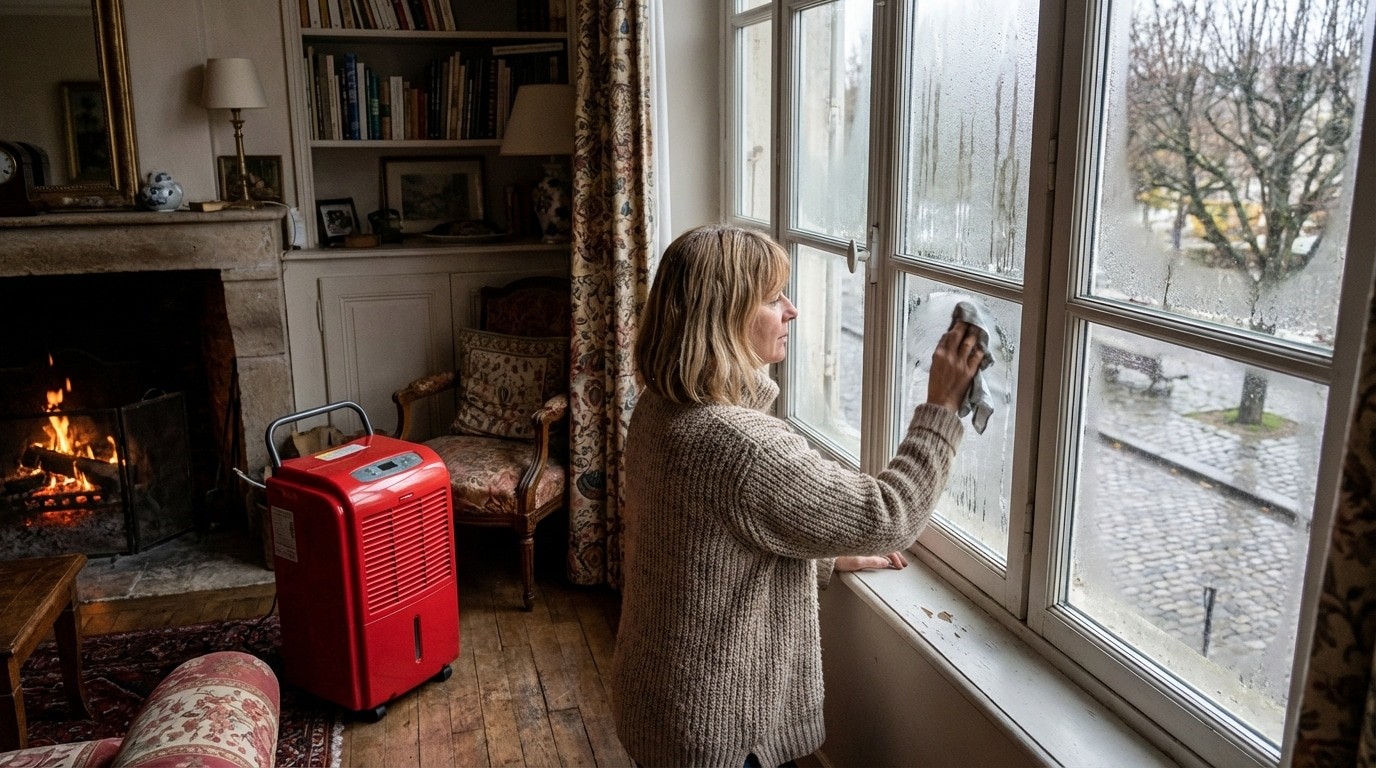
You know the scene. The heater kicks on. The cold sets in. And every single morning, your windows look like they’re sweating. It’s annoying, sure. But it’s also a warning sign. That mist isn’t just water. It’s trapped humidity. Leave it alone, and you’re gambling with mold, damp walls, and a house that feels heavy and stale.
Most homeowners are stuck in a loop. Open the window? Freeze. Close it? Fog returns. Is there a way out? Yes. You don’t need expensive tech or a full renovation. You need better habits. Here’s how to clear the glass and keep the warmth inside.
Зміст
Why your windows fog up in winter
It’s basic physics, but it feels personal when it ruins your view. The temperature gap between your cozy interior and the freezing outside is the main culprit. Warm air holds more moisture than cold air. When that warm, humid indoor air hits the cold surface of your glass, it can’t hold the water anymore. It drops. Instantly. You get condensation.
Winter makes it worse because we seal ourselves in. We keep doors and windows shut to save on heating bills. That traps everything inside.
Then there’s the daily grind. Your life adds water to the air. Cooking with open pots. Hot showers. Drying laundry indoors. Each activity dumps grams of humidity into your living space. It seems small. Add it up, and you’ve got a steam room. The moisture has nowhere to go, so it settles on the coldest surface it can find. Usually, that’s your windows. Sometimes, it’s your walls.
How to prevent window condensation with simple daily habits
You can’t control the weather. You can control how you live inside the house. Small changes stop the buildup before it starts.
Ventilate, even when it’s cold
It feels counterintuitive. Open a window when it’s freezing? Yes. But don’t do it for hours. Blast ventilation is the key. Open windows wide for five to ten minutes. Let the fresh, dry air flush out the stale, moist air. Then close them up. This exchanges the air without cooling down your walls or furniture significantly. Do it once or twice a day.
Keep the lids on
When you cook, cover your pots. It’s simple. Trapping the steam inside the pot means it doesn’t escape into your kitchen air. Same logic applies to laundry. If you must dry clothes inside, do it in the bathroom with the door closed and the exhaust fan running. Or use a dedicated drying cabinet. Don’t let wet towels hang in the living room.
Use extractor fans correctly
Most bathrooms and kitchens have them. Are you using them? Run the extractor fan during a shower and for ten minutes after. Check if the filter is clogged. A dirty filter means weak suction. Clean it or replace it. If you don’t have an extractor, a simple window or a dehumidifier helps.
Check your heating consistency
Uneven heating creates cold spots. Cold spots create condensation. Keep your home at a steady, moderate temperature. Sudden drops and spikes make the air behave unpredictably.
The goal isn’t to eliminate all humidity. It’s to manage it.
Humans need some moisture in
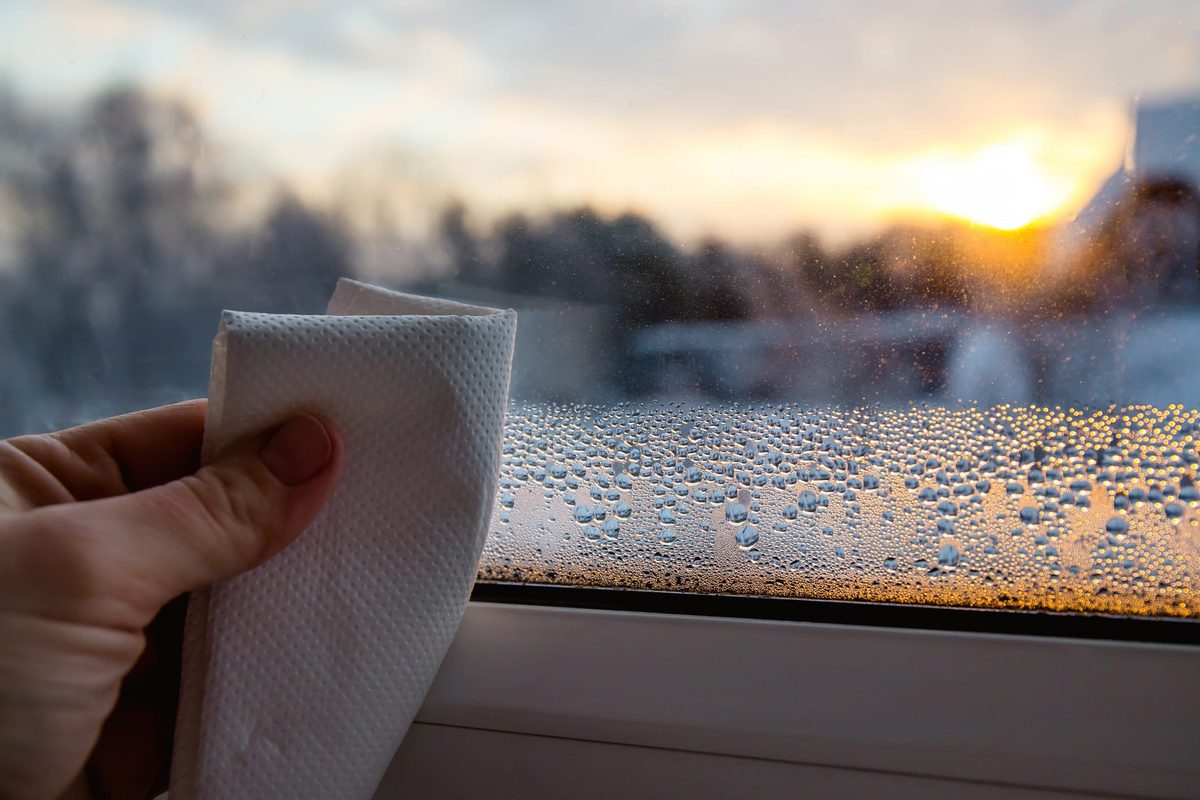

How to stop window condensation with daily habits
Open the windows. All the way. Not a crack. Ten minutes a day.
People hesitate. They think they’re losing heat. They’re actually saving their walls. Leaving windows tilted for hours just cools the masonry. Flinging them wide swaps the air fast. The humidity leaves. The walls don’t have time to freeze. It’s counterintuitive. It works.
You can’t fight what you can’t see. Get a hygrometer. Those little plastic gadgets cost nothing. Stick one in the kitchen. Stick one in the bathroom. If the reading hits 60%, you have a problem.
That’s when you bring in the heavy artillery. Salt-based absorbers of humidity help in small rooms. For the really damp houses, a mechanical dehumidifier is the only thing that stops the drip. They’re loud. They’re worth it.
Change how you live. It’s boring advice. It’s also the most effective one.
- Dry the laundry outside. Or in a room with a fan.
- Put lids on pots. Steam is the enemy.
- Turn on the range hood. Actually use it.
Keep the thermostat steady. Aim for 19-20 °C. Big swings in temperature cause condensation. Cold glass meets warm air. Water forms. Check your ventilation grilles. Are they blocked by curtains? Dust? Air needs a path.
Why your windows stay foggy despite airing out
Look at your window sill. Is there a curtain touching the glass? A plant? A chair?
Move it.
Air has to circulate. If you pack furniture right up against the pane, moisture gets trapped. It stagnates. The glass stays wet. Pull the curtains back at night. Let the cold air touch the room air. It prevents the “fog” from setting in.
If that doesn’t work, the problem is the window itself.
Check the seal. Look at the rubber gaskets. Are they cracked? Hard? If the double glazing isn’t airtight, cold air leaks in. The glass surface drops in temperature. Condensation wins.
You don’t need to replace the whole unit. Sometimes a new strip of insulation tape fixes it. Or replacing a tired joint. It’s cheap. It’s DIY. It stops the draft and keeps the pane warmer.
Quick checklist for a dry home
- Air out every day. Short bursts.
- Use a dehumidifier if readings stay high.
- Watch the hygrometer. Keep it under 60%.
- No indoor line drying.
- Stable heat. No spikes.
- Clear the space around windows.
- Check seals and insulation regularly.
It feels like a losing battle in winter. It isn’t.
It’s just physics. Warm air holds moisture. Cold air doesn’t. When they meet on your glass, you get water. Manage the air. Manage the temperature. Manage the space.
The view clears up. The mold stays away. You save money on heating because the air is drier and feels warmer.
Do it now. Or wait until the paint starts peeling.


