


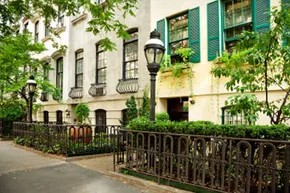
A garden-level apartment sits in that awkward, fascinating gap between the basement and the first floor. Stand up inside one, and your head is roughly level with the sidewalk. They are common in brownstones and older buildings across the US. Their popularity has waxed and waned for decades.
In the decades after World War II, young workers moved into cities. They needed affordable housing. Builders turned damp basements into livable spaces for the emerging urban workforce. This created the classic garden-apartment style. Women working in offices, like the famous “Kelly Girls” of the era, filled these units.
The 1970s brought a revival. In trendy spots like New York’s Chelsea and Meatpacking District, street-level living became chic. The idea of watching the city pass by your window felt artsy. It was metropolitan. It was cool.
Often, people use “garden level” as a polite euphemism for “basement.” Or worse, “dungeon.” But the narrative is shifting. As city life spreads to Brooklyn, the Outer Boroughs, and places like San Francisco’s Haight-Ashbury, these spaces are being reimagined. They are no longer just storage for old coats. They are modern homes.
Real estate follows cycles. Old things become new again. Neighborhoods that lost their shine are recovering. New bars and restaurants are opening in historic buildings. The classic brownstone neighborhoods are hip once more. If you live in a garden-level unit there, the nightlife is literally at your doorstep.
But before you sign a lease or buy the keys, you need to understand what you are getting into. These units have specific structural quirks. Ignoring them can lead to expensive headaches.
Зміст
Structural Red Flags and Inspection Tips
The “dungeon” reputation isn’t entirely unfounded. Poor lighting, drainage issues, and aging construction can create a gloomy environment. For someone used to high ceilings and open floor plans, a garden unit can feel cramped and dark.
However, with due diligence, these spaces can be just as comfortable as a Los Angeles bungalow. You just have to look past the surface.
When inspecting a property, focus on the bones. Quick fixes are common. A patch of new drywall might hide a significant leak. A coat of paint might cover water stains. Look for:
- Cracks in the foundation. Hairline cracks are normal. Large, expanding cracks are not.
- Signs of water damage. Discolored ceilings, musty smells, or soft floorboards indicate persistent moisture.
- Recent repairs. Fresh plaster or new baseboards can sometimes be used to mask underlying problems.
Check the exterior too. Look at the street. How is the drainage system? Are the gutters clear? Is the pavement sloped away from the building? If the water pools against your foundation after a rainstorm, you are going to have a problem. Flooding is a real risk for garden-level units.
Navigating Style and Spatial Constraints
Inside, the architectural style varies wildly. Some units have been renovated to look like industrial lofts. Others mimic the classic designs of the floors above.
If you are buying, you have more control. You can renovate. But renovation is expensive and inconvenient. Consider whether you want to tackle a lengthy project. If you are renting, you are stuck with what is there.
Some elements are non-negotiable.
Windows are critical. They provide natural light. They connect you to the street. Without adequate windows, the space feels underground. Ceiling height is another fixed factor. It rarely changes. But it heavily influences how open or cramped a room feels.
The amount of usable space is also a concern. These units are often smaller than the floors above. But smart design can maximize every square foot. Urban living guides often offer tips on using vertical space and multi-functional furniture.
The key is managing expectations. You are not buying a penthouse. You are buying a unique slice of city life. It requires a different kind of care. And a different kind of eye.
The Lifestyle Trade-Off
Living at street level offers a specific quality of life. It is connected. You hear the city. You see the seasons change on the sidewalk. You have immediate access to shops, cafes, and transit.
But you also deal with noise. Traffic hums. Pedestrians chatter. Delivery trucks back up. Privacy can be tricky. Curtains are your friend.
Lighting is another factor. Even with good windows, winter days can feel short. You will likely rely more on artificial light than someone living on the fourth floor. Choose warm, layered lighting to combat the gloom.
Moisture control is constant. Dehumidifiers are not a luxury; they are a necessity in many climates. Mold is a serious risk if ventilation is poor.
Yet, for many, the trade-off is worth it. The convenience. The character. The history in the walls. It is a different rhythm of life. Faster. Noisier. More immediate.
Is it for everyone? Probably not. But for those who value location over square footage, and charm over perfection, a garden-level apartment offers a distinct advantage.
The restoration of these spaces is ongoing. As neighborhoods evolve, so do the homes. New technologies in waterproofing and lighting are making these units more livable than ever. But the basic challenges remain. You must respect the structure. You must accept the noise. And you must find beauty in the shadow.
The market is heating up. Prices in brownstone neighborhoods are rising. Garden-level units are becoming harder to find. If you are looking, you need to move quickly. But don’t rush the inspection.
Take your time. Walk the street. Check the drains. Look up at the windows. See if the light hits right.
Because once you move in, you are part of the street. It sees you. And you see it. That connection is the real value. Not just the square footage. Not just the price.
The rest is just decoration.
Is the Noise Worth It?
Let’s be blunt. Garden-level living isn’t for everyone. Your first and most critical decision isn’t about square footage or rent prices. It’s about whether you can actually enjoy this specific type of existence. Are you trading quiet for the pulse of the city? Can you handle the constant stream of strangers walking past your window? Do the late-night laughs and street noise from your neighbors feel like a vibe or a violation?
It’s not enough to simply tolerate the chaos. You have to be drawn to it. You are living in a space that is often small. It is usually darker than the apartments above you. Without a genuine appreciation for urban energy buzzing through your living room, you will feel trapped. Theory looks good on paper. Reality feels cramped if you don’t respect the bustle around you.
Solving the Signal and Light Problem
Once you commit, you have to mitigate the downsides. Fix what you can. Control what you ignore.
Cell service is notoriously spotty in these units. The earth and concrete block the signals. Install a landline. It’s old school, but it works when your phone dies in a dead zone. On the flip side, those same walls work for you thermally. The ground acts as insulation. You’ll stay cooler in the summer heat and warmer in the winter chill compared to upper-floor units. That’s a tangible benefit you shouldn’t overlook.
Light is the enemy and the savior. You need to brainstorm ways to bring color and brightness into the room without compromising security. You don’t want to invite danger along with the sun. Use mirrors. Use lighter paint palettes. Rely on artificial lighting schemes that mimic daylight.
Curating Your Urban Oasis
Your neighbors aren’t just people down the hall. They are a larger part of your daily life than you might expect. Spend time getting to know them. Their footsteps and voices are the soundtrack of your home.
Treat your interior design as a strategic project. This is about making a space you actually want to occupy. Garden-level apartments require a delicate balance between public exposure and private retreat. You’ve chosen an adventure, but adventures can lead to burnout. Keep your personal comfort at the center of every design choice.
Look for urban-living blogs for creative decorating hacks. How do others maximize vertical space? How do they use rugs to define zones in an open layout? The goal is an oasis. It should be comforting. It should be exciting. But mostly, it should feel like yours.
Bring the outdoors inside. Since you have direct access to the street or garden, use that. Plants. Natural textures. Outdoor furniture on your patio that extends your living area. Blur the line between your private sanctuary and the public world outside.
The Final Verdict
If the energy of the city invigorates you, a garden-level apartment could be your perfect fit. The trade-offs are real. The noise is real. The lack of natural light is real. But so is the convenience. The unique character of the space. The connection to the street life that defines the city.
Just make sure you leave room for yourself. Don’t let the outside world consume the inside. Keep a corner that is strictly for you. A place to decompress when the street gets too loud. A place to breathe.
Good luck.


