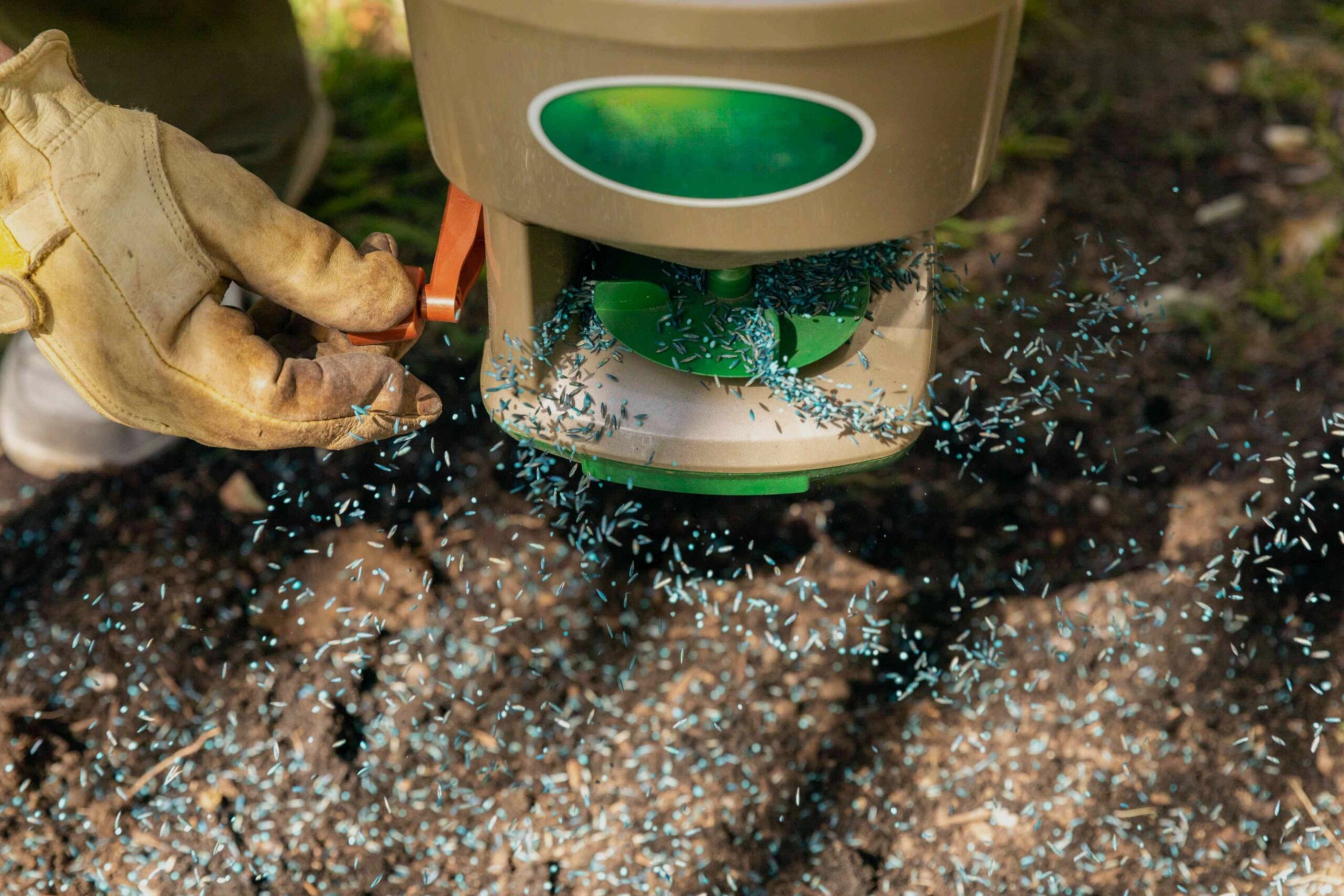
Most common grass types germinate within two to three weeks, but achieving a lush, healthy lawn depends on several key factors. This guide explains how to optimize growth, covering timing, soil conditions, sunlight, and maintenance. Understanding these elements is crucial because simply scattering seed doesn’t guarantee success – the right conditions are essential for rapid, even growth.
Зміст
Germination Timelines by Grass Type
Different grass species have varying germination rates. Here’s a breakdown of common types:
- Bermuda: 5–14 days
- Centipede: 7–21 days
- Fescue: 14–21 days
- Kentucky Bluegrass: 7–14 days
- Rye: 5–10 days
- Zoysia: 14–21 days
These ranges reflect ideal conditions; actual germination can be slower if environmental factors aren’t optimal.
Critical Factors for Faster Growth
Before seeding, preparation is key. Remove debris (branches, rocks, dead leaves) and level uneven ground. The following elements are the most important:
Temperature: Grass seed thrives within specific temperature ranges. Cool-season grasses (like fescue and rye) perform best when soil temperatures are between 50°F and 60°F—typically in the fall. Warm-season grasses (Bermuda, Zoysia) flourish when soil reaches 65°F to 70°F, making spring or early summer the ideal planting time.
Soil pH: A pH between 6.5 and 7.0 is optimal. Test your soil with a kit from a garden center; amend with mineral or nutrient mixes if needed. Incorrect pH can inhibit nutrient absorption, slowing growth.
Sunlight: Grass requires energy from the sun to grow. Shaded areas will always grow slower than those in full sunlight. Seed in shaded spots may take longer to germinate and establish.
Moisture: Consistent moisture is vital, but avoid overwatering. Shaded areas retain moisture longer, so reduce watering frequency to prevent soggy soil. Water newly seeded areas two to three times per day for short durations (5–10 minutes) until germination.
Lawn Care Post-Seeding
Once grass emerges, ongoing care is crucial.
Fertilization: Adjust fertilizer use based on sunlight exposure. Shaded areas need less fertilizer because they don’t utilize nutrients as efficiently. Over-fertilizing can harm seedlings.
Watering: Mature lawns require about 1–1.5 inches of water weekly, delivered via rain, manual watering, or irrigation.
Mowing: Mow weekly during peak growth, reducing frequency as the season progresses. Regular mowing encourages thicker growth.
Seed vs. Sod: Cost and Time Considerations
Grass seed is more budget-friendly than sod, which provides an instant lawn but at a higher price. Overseeding—planting seed over existing turf—is an effective way to renovate thinning areas without the expense of a full re-sod.
Choosing between seed and sod depends on your budget and timeline. Seed requires patience, but delivers cost savings. Sod offers immediate results but comes at a premium.
Following these guidelines will help you achieve a healthy, thriving lawn in the shortest possible time. Proper preparation, ideal conditions, and consistent care are the keys to success.