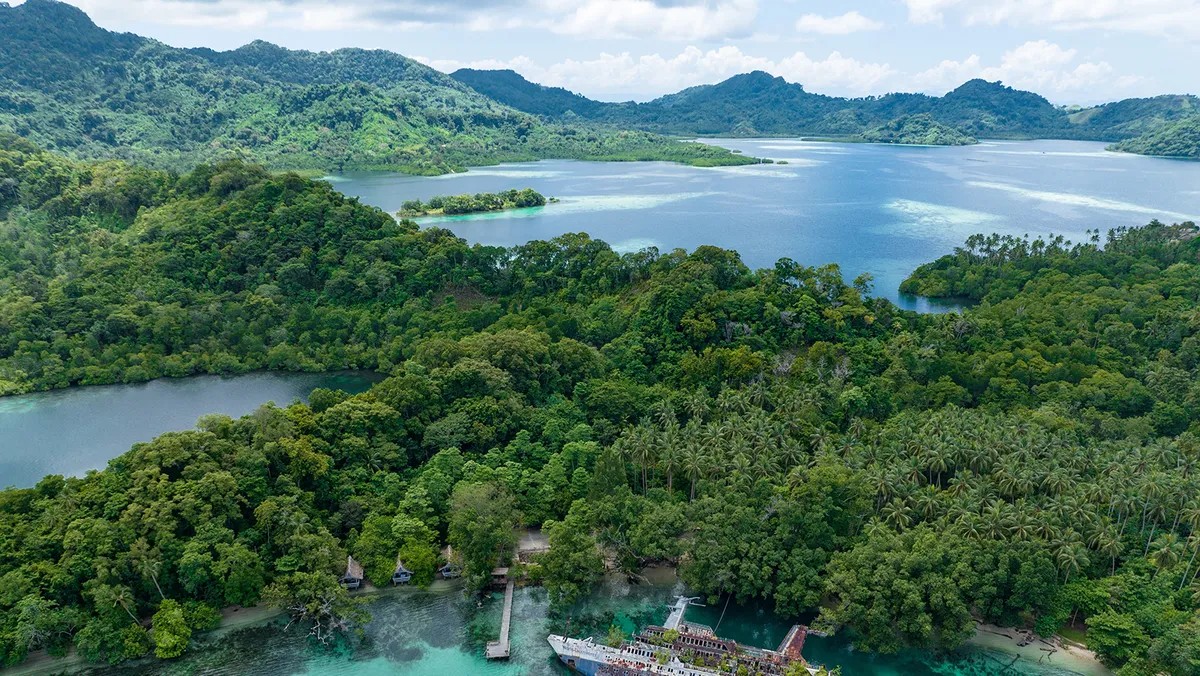
Most travelers flock to well-trodden paths, but a handful of nations remain largely untouched by mass tourism. These destinations offer something radically different: pristine landscapes, unique cultures, and an escape from the crowds. Here’s a look at six of the least-visited countries on Earth, and why they remain so remote.
Зміст
Tuvalu: The Least Traveled Nation
Tuvalu, a microstate in the South Pacific, is arguably the least-visited country globally, welcoming just around 3,700 visitors annually. Situated between Hawaii and Australia, this nation of raised coral atolls offers a true escape for the adventurous. Access is limited, with only a few flights per week landing at its tiny airport in Funafuti.
The lack of development preserves island life in its purest form. Visitors experience stunning reefs, strong community traditions, and a glimpse into a way of life that remains largely untouched by the modern world.
Marshall Islands: Pristine Beaches and WWII History
The Marshall Islands, another central Pacific nation, sees fewer than 7,000 tourists per year. This archipelago boasts pristine beaches alongside sobering reminders of WWII history. Limited infrastructure and rising sea levels pose real challenges, but those who venture here are rewarded with rich marine life and a welcoming local culture.
The islands are accessible via Air Marshall Islands and Fiji Airways, though sustainable tourism remains a priority in the face of environmental threats.
Solomon Islands: Volcanic Beauty and Untamed Landscapes
Despite their natural beauty and WWII legacy, the Solomon Islands receive remarkably few tourists. Tourism is slowly developing, but climate change and a remote location keep them off most travel radars. The Phoenix Islands Protected Area, one of the world’s largest marine reserves, lies within Kiribati’s territory.
For travelers seeking authenticity, the Solomon Islands offer unique experiences, including a UNESCO World Heritage Site and a commitment to sustainable practices.
South Sudan: Untouched Landscapes, Extreme Challenges
South Sudan ranks among the least-visited countries due to civil war and political instability. It’s also one of the world’s poorest nations, facing severe infrastructure and safety concerns. Despite these challenges, the country holds national parks, diverse cultures, and untouched landscapes.
Tour companies like Young Pioneer Tours offer highly controlled trips for those determined to explore this largely unseen corner of the world.
Comoros: Volcanic Islands and Cultural Fusion
Between Madagascar and Mozambique, the volcanic island chain of Comoros receives few tourists despite its stunning beaches and vibrant culture. As a former French colony, French and Arabic are widely spoken. Frequent natural disasters and limited tourist infrastructure keep the crowds away.
Those who do venture here discover a rich blend of African, Arab, and French influences in one of the world’s least-visited destinations.
Kiribati: Climate Vulnerability, Unmatched Resilience
Straddling the international date line, Kiribati includes the Phoenix Islands group and ranks among the most climate-vulnerable nations on Earth. Rising sea levels dominate life here, yet it remains a remarkable destination. Tourism infrastructure is minimal, but the hospitality is warm, and the natural beauty is unmatched.
Kiribati offers a stark reminder of the Pacific Islands’ resilience and tradition in the face of environmental crisis.
These countries represent the last bastions of true isolation in an increasingly connected world. Their obscurity is due to a combination of remoteness, political instability, environmental challenges, and lack of infrastructure. But for the right traveler, they offer a rare chance to explore a world largely untouched by mass tourism.