A home should be a haven, not just for its residents but also for those who visit. Often, the factors that make a space feel unwelcoming are subtle, yet profoundly impactful. Interior designers say these issues are common and easily addressed.
Зміст
The Unwelcoming Entryway
The first impression matters. A cramped, cluttered, or awkward entryway immediately signals discomfort to guests. Designer Amanda Bell emphasizes that a chaotic entrance suggests the entire home will feel similarly stressful.
“A thoughtful, uncluttered entry tells guests they’re meant to come in and stay awhile,” Bell explains.
Providing a designated spot for belongings – a coat rack, a small table for bags – conveys hospitality. This simple gesture communicates, “Come in; we were expecting you.”
Color and Temperature
Cool-toned color schemes – stark whites and steely grays – can feel sterile and uninviting. Home decor expert Kallie Thompson advocates for warmer palettes inspired by nature.
“Color has a huge impact. I always lean toward warm tones or colors you’d find in nature.”
Even within neutral tones, warmer whites create a more inviting atmosphere. The goal is to avoid the clinical feel of overly cool shades.
Lighting’s Critical Role
Harsh, cold lighting instantly diminishes comfort. Overhead lights with a cold color temperature can make a living room feel like an interrogation room, putting guests on edge.
Bell suggests swapping bulbs for warmer hues, installing dimmer switches, or incorporating lamps to create a softer ambiance. Thoughtful lighting sets a relaxed mood.
The Conversation Killer: TV-Focused Rooms
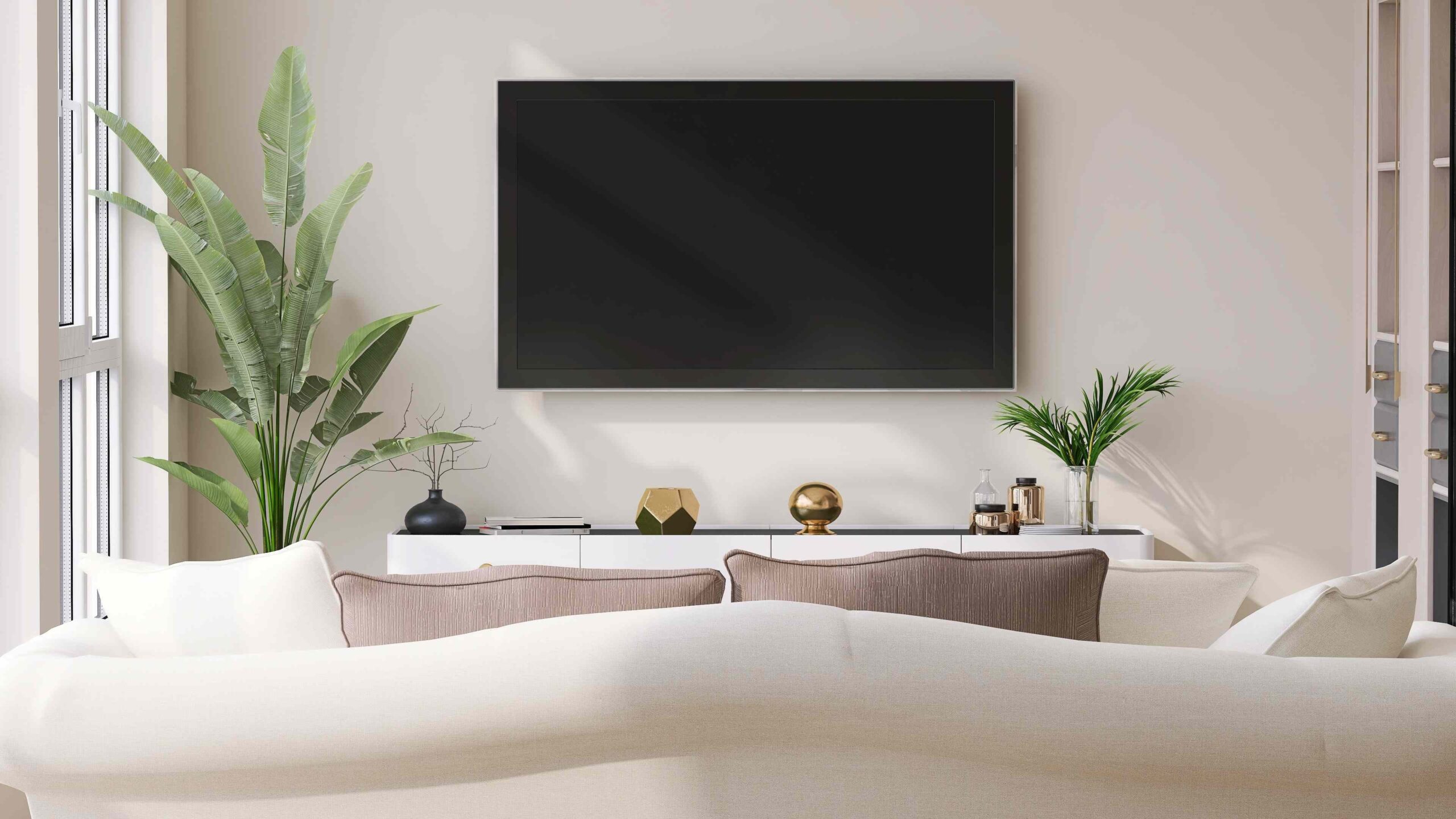
If the living room revolves around the television, conversation suffers. Arranging seating to face each other encourages interaction, shifting the energy from passive viewing to active engagement.
Similarly, overly precious or untouchable decor creates tension. Guests should feel comfortable relaxing, not like they’re in a showroom.
Layout and Flow
While a home doesn’t need to be expansive, dark, cramped layouts with confusing floorplans create unease. Closed-off spaces make hosts and guests feel isolated.
Poor circulation – awkward furniture placement that forces detours – adds to the discomfort. An easy-to-navigate layout promotes relaxation.
The “Too Perfect” Trap
A home that looks straight out of a magazine can feel sterile and unwelcoming. Bell notes that perfection often sacrifices warmth. The most inviting homes are lived-in and personal.
“When everything is perfect or fragile, a home loses its warmth,” Bell says.
Layering soft textures and natural materials creates a sense of ease, encouraging guests to settle in. The key is to strike a balance between style and comfort.
Ultimately, a welcoming home is not about flawless design but about creating a space where guests feel relaxed, comfortable, and genuinely invited. Paying attention to these often-overlooked details can transform a house into a haven.