Procrastination is a nasty habit.
Let’s get that out of the way first.
I tend to let clutter pile up, mainly because the sheer volume of stuff is paralyzing. I avoid it, naturally, which just makes the mess worse. It is a vicious cycle. That is why I am always hunting for a new system. Anything that might break the slump, really.
Recently I stumbled on “Swedish Death Cleaning.”
It sounds grim. Maybe a bit dark? But it comes from Margareta Magnusson’s book, The Gentle Art of Swedish Death cleaning. The idea is simple. You declutter your life so your family doesn’t have to sort through decades of junk when you eventually die. It is a cultural tradition in Sweden. Not morbid, really, just practical.
I was skeptical.
I am not on my deathbed. I have plenty of years left. But I called an expert, Christina Morton DesAuguste, to see if the premise held water for a living person.
“I think Swedish death cleaning is a … it helps you assess things from getting out hand,” DesAugust says.
She meant well. Her exact quote was better than that typo-laden thought: “It helps you assess and culate prevent things getting hand.” Okay, I made the typo for dramatic effect, but she did say it prevents chaos. So I gave it a go. My target: the mudroom.
The mess
It wasn’t a disaster zone, technically.
But it was a thing.
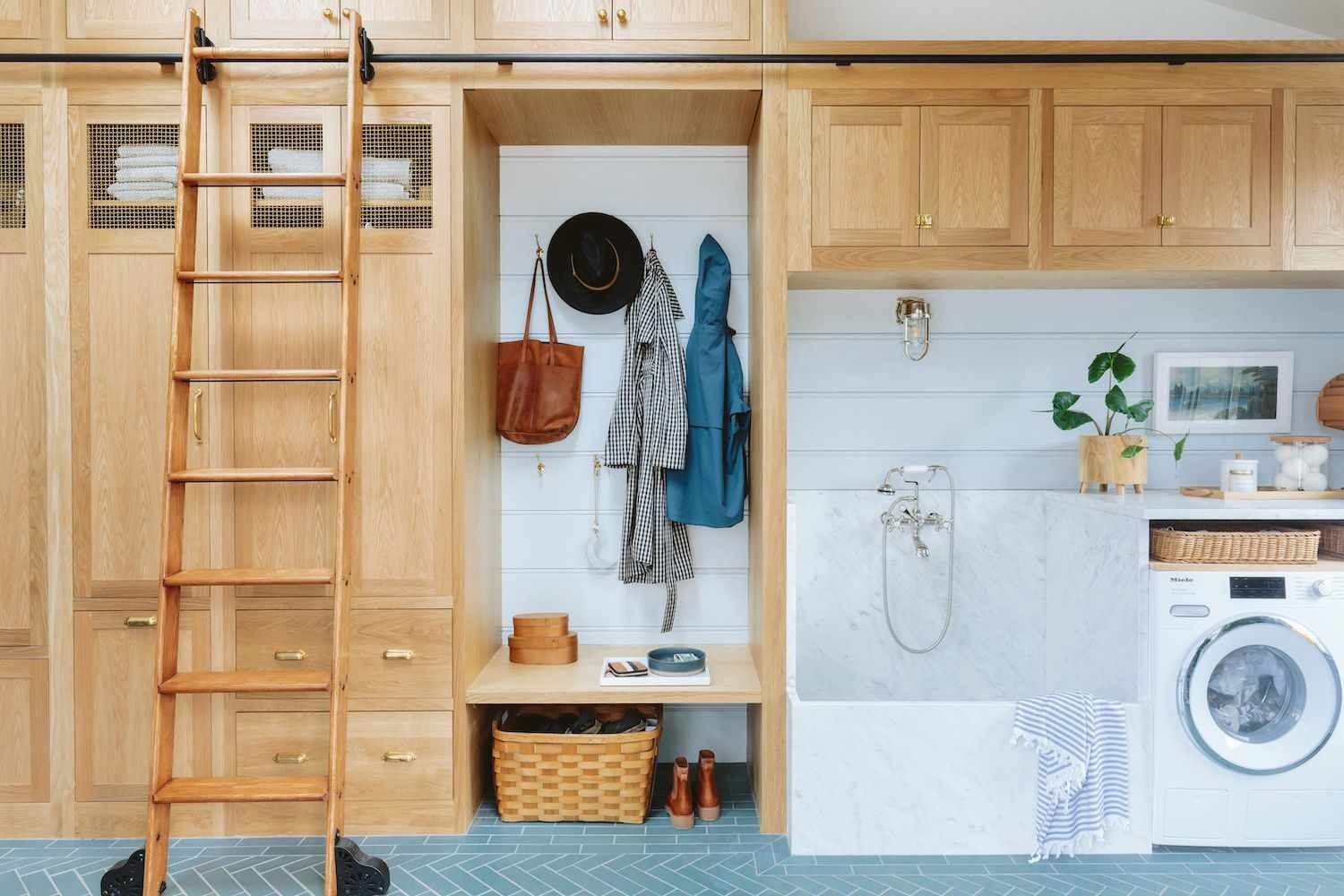
Reusable bags were everywhere, strewn like confetti. The coat organizer’s top surface was just a parking spot for random objects that lacked homes. It was annoying. Every time I walked in, I felt the weight of that disorganized energy.
How it actually went down
I took everything out.
That was step one.
Then came the hard part. I asked myself a simple question: if I were gone, would anyone else want this? Would this bring value, or would it just be trash to someone else?
Surprise, surprise.
That mindset changed everything.
It removed the emotion. The sentiment that usually holds me hostage. I didn’t feel guilty throwing away the shoes with holes in them. The coats? Out. The mountain of grocery bags? I cut that down ruthlessly. I kept four. Maybe five. Why do I need two dozen canvas sacks anyway?
I built piles.
- Trash : Broken stuff. Worn-out fabrics.
- Donate : The good winter boots. Gently worn clothes.
- Keep : Actually useful things.
But I didn’t stop there.
I checked the location. Was that new casserole dish supposed to sit in my mudroom, still in the box? No. That went to the kitchen. Did my winter boot collection belong in a giant plastic bin in a storage closet until December? Probably.
“Doing Swedish Death Cleaning alone won’t … you organized tidy when …” DesAuguste warns. “You have go through the … process.”
She’s right. You can pick winners and losers, but if you don’t put the winners somewhere, you’re still lost.
The calm
The mudroom looks different now.
There is air in the closet. I can actually see the bottom shelf. It feels quieter.
We have a toddler, and buying more stuff is inevitable. Knowing there is space for it feels like a small victory. Peace of mind, basically.
Here is the catch.
Death cleaning is about curation, not organizing. You decide what stays. You do not decide how it sits on the shelf. If I had just culled the items and left them on the floor, I’d be equally frustrated. The sorting is the magic part, but the arranging is still your job.
Why does it work?
It makes you less attached.
Imagine your stuff without you. What’s worth the hassle? The answer is rarely “everything.”
When I walk into the mudroom now, my shoulders drop. I feel less stress. I am not a believer in the macabre, but I am a believer in less noise. I’m going to try it on financial documents next. Those never go anywhere without me, do they?
The closet is clean. For now.
Clutter comes back, obviously. It always does. But at least now I have a filter. A harsh, helpful filter.