Appliance energy use is brutal.
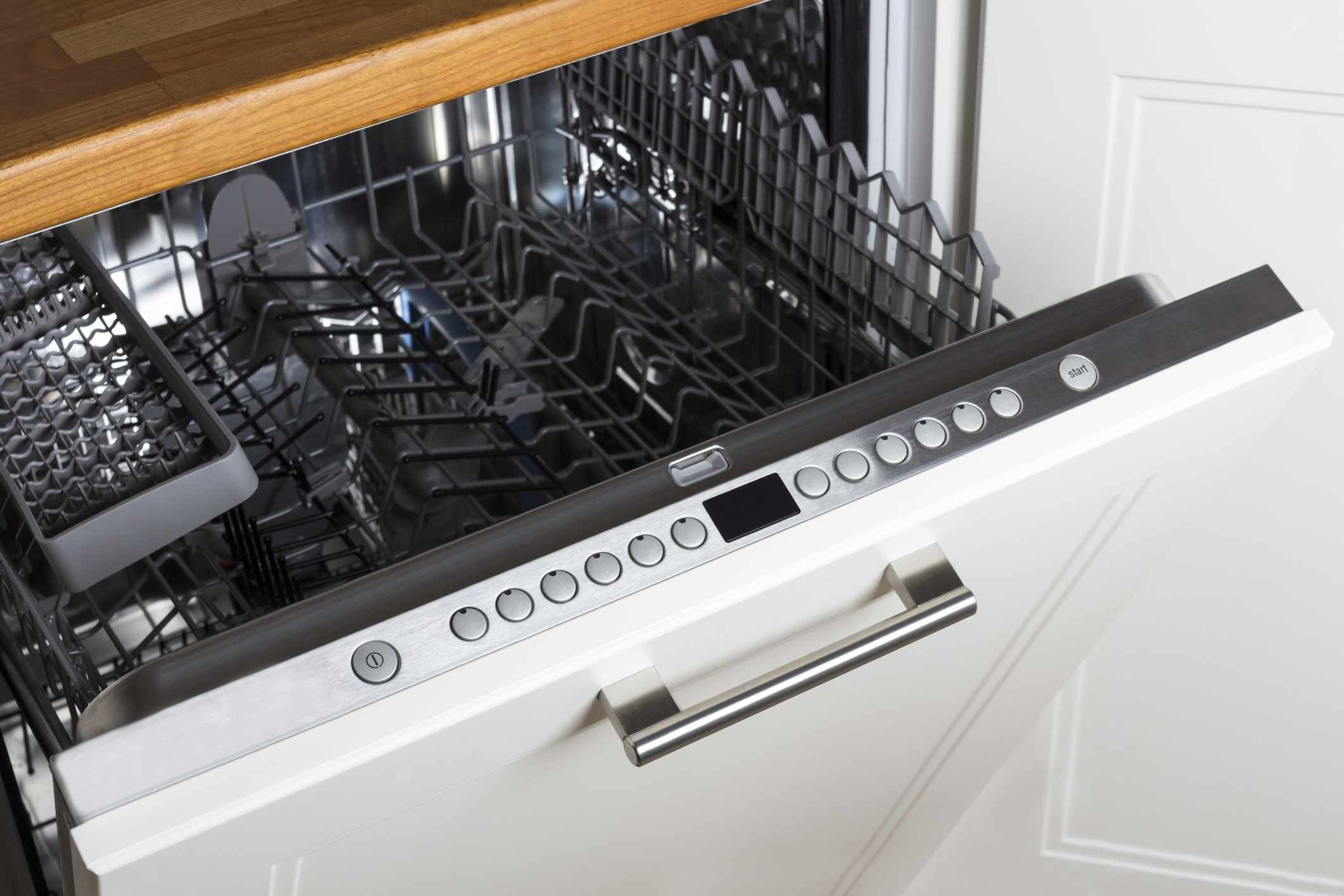
Your dishwasher probably gobbles more juice than your TV. You know this. Yet here you are, staring at that control panel, hitting the biggest button you see because you want dry plates, stat.
Stop.
Handwashing? Forget it. Experts confirm machines win the efficiency war every single time. Water use. Energy drain. The machine wins. But the standard cycle, the one you’ve been using for years? It’s a trap.
We talked to the people who build these boxes. Specifically, Meera White from Whirlpool. She has a pet peeve. Or rather, she has a setting most of you are ignoring.
The Heat Dry Lie
It’s called heat dry.
Your dishwasher probably turns it on by default. You press “start,” the water sprays, then a heater kicks in. It blasts your clean, wet porcelain with high-intensity heat until the water evaporates. It’s fast. It feels satisfying.
It’s also stupidly expensive.
Electricity is used to generate that heat. Maintaining those high temps? That’s pure cash burning. White says the heat dry function is an energy hog. Plain and simple.
“The normal cycle with an air drop option will almost always be the lowest Energy usage,” White says.
Did I say drop? Air dry.
Air dry lets the dishes sit there, moist, and naturally evaporate over the next hour or so. It’s boring. It takes time. You might have wet plates when you need a fork for dessert.
But you save money. Significant money, if you run a load daily.
Check your settings. Right now. Before the next wash. Uncheck that heat dry box. If your machine has an Eco mode, throw that on too. Combine Eco with Air Dry and you’ve basically optimized your utility bill. It’s not glamorous, but it works.
What You’re Wasting Energy On
It’s not just about drying.
White warns against two specific cycles: Heavy-Duty and Sanitize.
Sounds tough, right? Good cleaning. Nope. Just more heat. More water. These cycles ramp up the temperature significantly to kill germs or blast off caked-on lasagna residue. Most nights, you’re not washing charred pans. You’re doing coffee mugs.
Why run the equivalent of an industrial solvent cycle for a mug that held lukewarm coffee?
“If you’re looking to conserve Energy, you should avoid these wash Cycles,” White advises.
It’s simple arithmetic. Less heat, less water, lower bill.
You should probably check your owner’s manual. Not for fun, but to know exactly when you actually need that sanitize mode. Until then, assume the standard load handles everything.
The plates might stay damp for a while longer.
Is it worth waiting three extra minutes to dry a bowl?
Maybe not. But the electric bill certainly is.