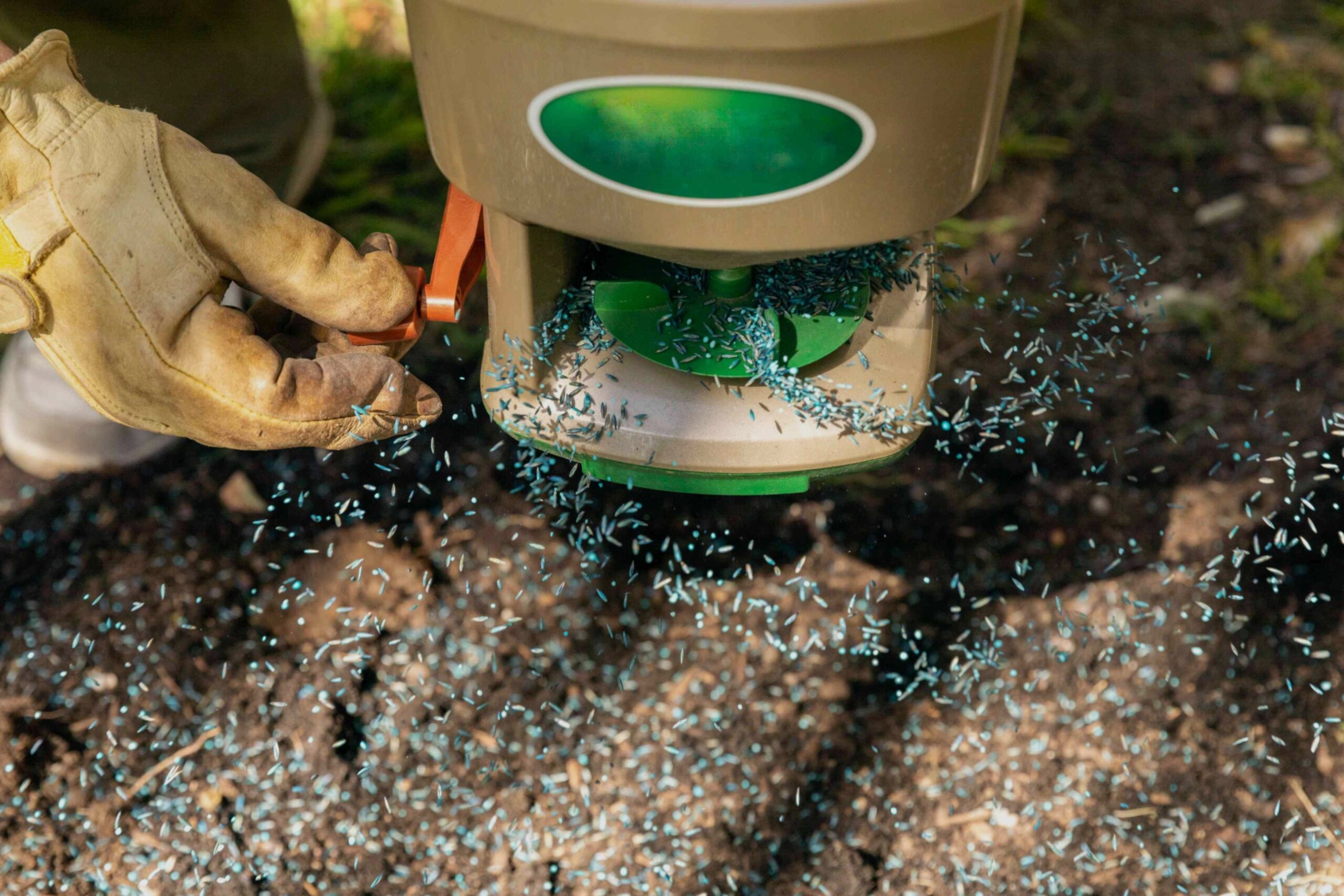
You spread the seeds. You wait. And then nothing happens. Or at least that is how it feels.
“You can generally expect a 7 to10 day germination cycle.”
Give it some patience. Most grass types pop up in two or three weeks. But speed depends on what you planted, when you planted it, and how much sun it sees.
Gaynelle Baum handles training at The Grounds Guys. She knows dirt. Here is what matters.
Зміст
Timing is Everything
Do you like cold? Plant cool-season grass in the fall. Warm-season types prefer heat. Wait until the nights consistently hit the 50s Fahrenheit.
The soil temperature drives the engine. For cool grass, aim for soil between 50 and 60 degrees. Anything higher and it slows down. Warm grass needs more heat. It thrives when the ground stays above 65 to 70 degrees.
Which Seed Grew First?
Growth rates vary. Bigly. Here is the breakdown:
- Rye : 5 to 10 days
- Bermuda : 5 to14 days
- Kentucky Bluegrass : 7 to 14 days
- Centipede : 7 to21 days
- Fescue : 14 to21 days
- Zoysia : 14 to 21 days
The Soil Test
Check the pH. It needs to be between 6.5 and7.0. Grab a test kit from any hardware store.
If your number is off, amend the soil. Use mineral or nutrient mixes to fix it. Don’t guess. The roots won’t like it.
Sun and Shade
Shade is the enemy of speed. Grass in the full sun absorbs more energy. It grows faster. Shaded patches lag behind.
And watch the water there. “In the shade, water evaporates moreso slowly, meaning soil can holdonto moisture for longer,” says Baum. Overwatering shaded areas makes things soggy. Soggy roots die. Water the sunny parts more. The shady parts less.
Clear the Deck
Before you sow, walk the lawn. Pull the debris. Branches. Rocks. Dead plants. They block seeds.
Fill the holes too. Level the ground. A rough lawn creates dry pockets and puddles. Neither helps germination.
Feeding and Cuts
Fertilizer is not magic. Shaded grass needs less of it. Why? “[Less sun and energy consumption] mean it won’t be ableto utilize as much fertilizer,” explains Baum. Feed the sunny spots heavier. The shaded spots lighter.
Keep it damp. Two to three times a day. Five to10 minutes per session. Once it is thick? Switch to one to 1.5 inches a week total. Rain counts. Sprinklers count. Just keep the soil moist until roots dig in.
Mow once a week during peak growth. When the season winds down and growth slows? Space it out. Let the grass breathe.
Seed or Sod?
Want an instant lawn? Sod delivers it. It also costs more. Like, significantly more.
“If you’re on a budget, grass seed isa more inexpensive option,” Baum notes. It takes longer. But it is cheaper.
You can even patch existing lawns. Overseed bare spots. It is easy. Cheap. Just remember, dirt takes time. You cannot rush biology. 🌱