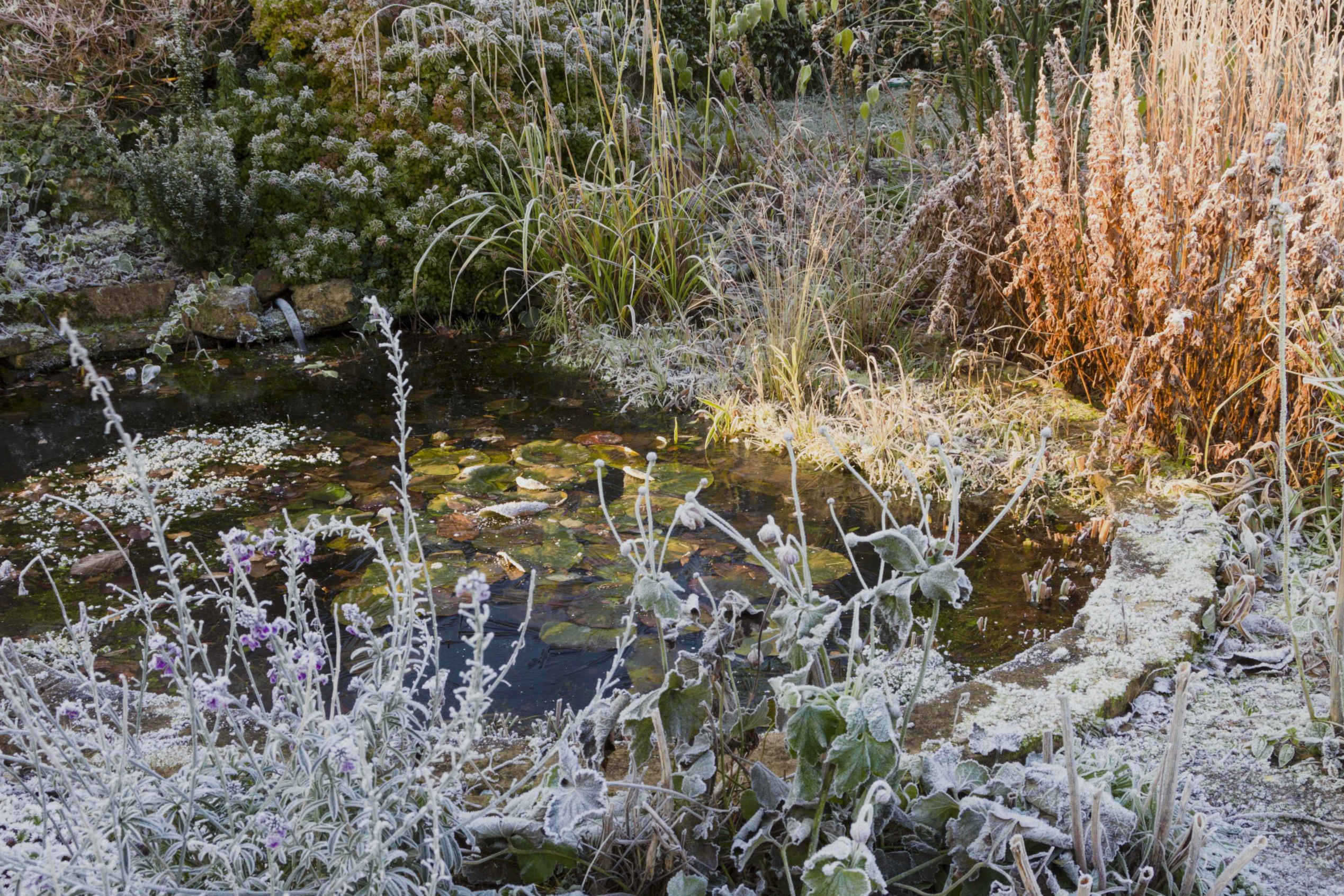
Many gardeners, even experienced ones, miss a crucial step in preparing their gardens for winter: mulching. While tasks like watering shrubs and draining hoses are often remembered, mulching is frequently forgotten, yet it significantly impacts plant survival and soil health.
Зміст
Why Mulch Matters
The benefits of winter mulching are twofold: protecting plant roots from freezing temperatures and preventing soil erosion. Plants, especially those newly planted or borderline hardy for your region, benefit from the insulation mulch provides. Established plants in appropriate hardiness zones may not need it, but mulching never hurts, as unpredictable winter conditions can cause frost heaving – a process where roots are pushed out of the ground.
How and When to Apply Mulch
Proper mulch depth is key. A 3-inch layer around perennials, shrubs, and trees is ideal. Too little won’t insulate effectively; too much can suffocate roots by restricting airflow and water penetration. Crucially, keep mulch 2-3 inches away from plant stems to prevent rot and pest infestations.
The optimal timing is after the first hard frost, when the soil begins to harden. Plants will be dormant, reducing the risk of smothering.
Mulching the Vegetable Garden
Vegetable gardens benefit from mulching too, but for a different reason. Here, the goal isn’t root protection (as summer crops are already finished), but soil conservation. Bare soil is vulnerable to wind and water erosion, losing valuable nutrients. Mulch prevents this loss, preserving soil fertility for the next growing season. Depth and placement aren’t as critical in vegetable gardens.
The Bottom Line
Mulching is a simple yet effective winter garden practice that safeguards plant health and soil structure. Whether protecting delicate roots or preventing erosion, this often-overlooked step can make the difference between a thriving garden and one struggling to recover in the spring.