


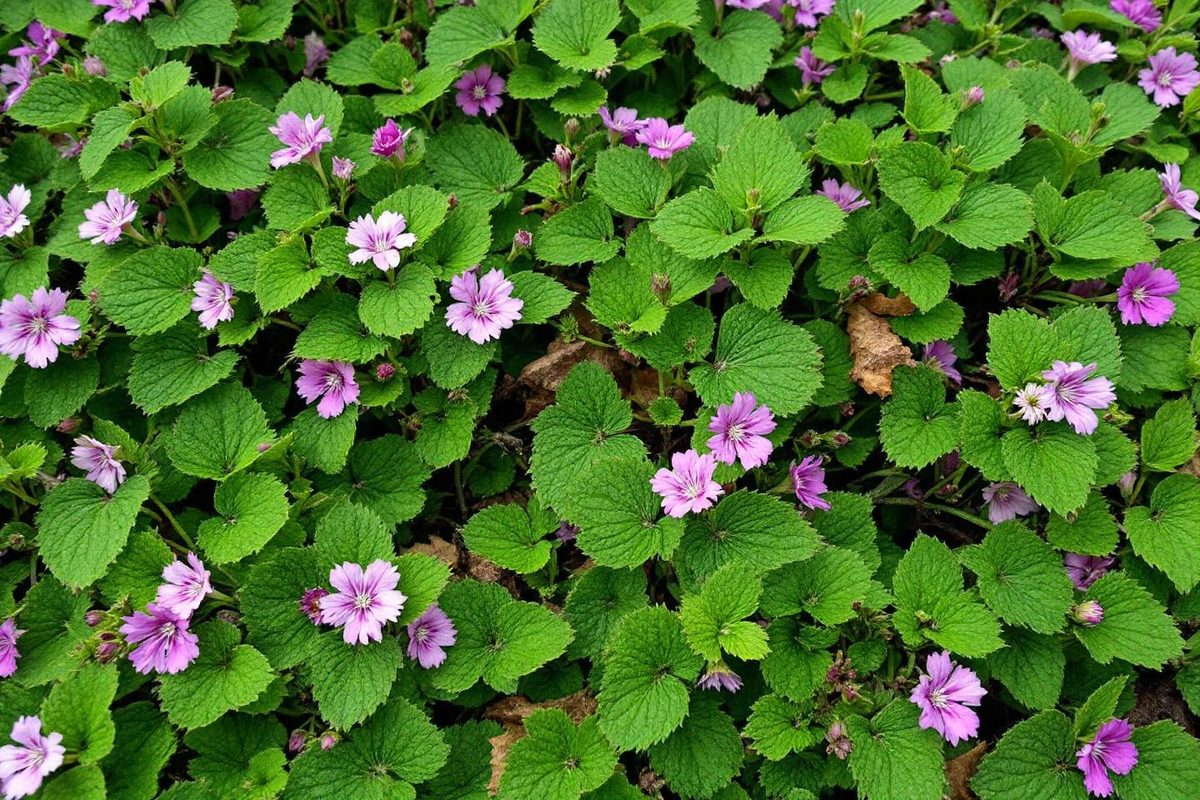
Who hasn’t dreamed of a pristine landscape that stays clean without constant weeding? Especially when November chill sets in and you’d rather watch autumn colors from behind a warm window. The secret isn’t aggressive chemical use or endless pulling. It’s choosing the right plants. These unassuming perennials act as natural barriers against invaders. They bring life to the garden in winter. They work quietly in borders, slopes, and under shrubs.
Зміст
Why Creeping Perennials Outcompete Weeds
Weeds thrive when soil is bare. Autumn is their prime time to establish before winter. The solution is simple. Occupy the space with creeping perennials. These plants spread quickly. They form a protective carpet. This layer blocks sunlight. It denies weeds the access they need to root. Experienced gardeners know this trick. It replaces harsh chemicals with strategic planting.
Top Perennials That Suppress Weeds
Some plants are natural weed killers. Bugle, geranium, and dead-nettle form dense armies at ground level. Their thick foliage acts as a vegetative lid. It covers beds and borders. They resist cold. They multiply easily. They look good year-round.
Best Varieties for Your Garden
Not all ground covers are equal. Choose based on light and space.
- Bugle (Ajuga reptans) : Best for shade. Shiny leaves. Blue spikes from April to June.
- Hardy Geranium (Geranium macrorrhizum) : Great for borders and under shrubs. Flowers from spring to late autumn. Slightly aromatic foliage.
- Dead-nettle (Lamium) : Variegated leaves. Off-the-charts flowering. Perfect for difficult spots where nothing else grows.
- Lesser Periwinkle (Vinca minor) : Evergreen. Spreads fast. Flowers early. Tolerates shade well.
Mixing for a Dense Carpet
The best results come from mixing varieties. Combine different growth habits for full coverage. Night-blue bugle pairs well with light-green dead-nettle. Hardy geranium adds late-season color. This plant cocktail dresses slopes and edges with minimal effort.
Planting Timeline and Technique
October and November are the ideal windows. Soil is still warm. Moisture aids root growth. Weeds slow down. Planting now gives your creeping perennials a head start. They cover the ground right after winter.
Step-by-Step Installation
Preparation matters. Don’t turn the soil deeply. Preserve soil life.
- Clear the area : Weed roughly. Don’t till.
- Aerate : Use a fork or hoe if soil is compacted.
- Amend soil : Add compost or shredded leaves to boost microbial life.
- Space plants : Place them 30–40 cm apart. They will spread to fill gaps.
Accelerating Ground Cover
Want results faster? Use these tricks.
- Buy established plants : Choose potted specimens that are already well-developed.
- Mulch gaps : Use wood chips or leaves between plants. This suppresses weeds until spring.
- Water sparingly : Only if the autumn is dry. Helps establishment.
This small time investment in October pays off in spring. You get a vibrant, clean garden without the labor.
Planting Locations for Erosion Control
You need ground cover where the soil is unstable. A slope is the obvious choice. So are borders next to the lawn. Maybe you are framing a terrace. These creeping perennials handle it. They stop erosion. Rain doesn’t wash your earth away in autumn or winter.
The roots matter. They lock the landscape structure in place. Without them, your soil moves. With them, it stays.
Why Evergreen Foliage Matters in Winter
Your garden looks dead in December. Unless you use evergreen types. Dense foliage persists through frost. Some varieties even change color. This structure holds up under snow.
Flowers help too. Late bloomers keep things interesting. Think of perennial geraniums. Or spotted lamium. They pop against grey skies. It’s a decorative boost when everything else is dormant. You get color when you need it most.
How Creeping Plants Act as Natural Mulch
Stop weeding in spring. Seriously. If you plant in October, you’re set. By spring, the ground is covered. The mat is thick. Weeds can’t penetrate.
This is a living barrier. It suppresses unwanted growth. Better than rock mulch. Better than ugly landscape fabric. It fits a zen garden or a Mediterranean style. No synthetic materials needed.
When and Where to Plant for Best Results
Timing is everything. Plant before the first freezes. November is ideal. The plants recover quickly.
Check your site conditions. Sunlight levels? Soil moisture? Pick species that match. You won’t want to water them in summer if they’re already adapted.
Mix varieties. It looks better. It works better against weeds. Diversity is strength here.
Maintenance and Common Mistakes
Don’t wait until the ground is frozen solid. Late planting slows recovery. Leave gaps? Weeds will take them. Poor soil? Amendment is necessary for natural spreading.
After flowering, do a light trim. Every two or three years, divide tight clumps. Keep the plants moving.
Add new varieties annually. The garden changes. It becomes easier to maintain. It stays attractive.
Let the plants work. They do the heavy lifting. You get a practical, natural space. October planting sets you up for a harmonious spring. You stop weeding forever. The answer was simple. Just wait for the right season.


