Water is patient. It waits for cracks in the foundation, seeps through the concrete and settles in the lowest part of your home. If you live in a place that gets heavy rain or snow, that place is most likely a basement or crawl space. Without a defense system, you will be dealing with destroyed drywall, warped floors, and a mold problem that will plague you for years.
Enter Sump Pump.
It’s a small, unobtrusive machine installed in a pit at the bottom of your basement. Its mission is simple: detect rising water and direct it away from your home before it causes damage. It’s not magic. It’s mechanics. And in more than 60 percent of American households, it’s the only thing standing between a dry floor and thousands of dollars in repairs.
Зміст
Why you need a sump pump system
You might think that sump pumps are only suitable for homes in flood or sump pit areas. This is a dangerous assumption. According to the American Society of Home Inspectors, more than 60 percent of U.S. homes suffer from basement moisture. Water moves naturally through the soil. It doesn’t care about your property lines.
If the groundwater rises, it will seek the path of least resistance. Your foundation is full of small holes. Without a pump to collect the water and push it away, it will pool. Just a few inches of standing water can destroy wood floors. It can spoil stored boxes. It creates a breeding ground for mold and mildew, which brings breathing problems into your living space.
Legislation has also changed the landscape. Changes to the US federal Clean Water Act in 1987 forced many communities to rethink where their stormwater goes. In the past, sump pump runoff was often mixed with sewer pipes, resulting in overflows. Today, many new building codes require special drainage systems. Even if you are not in a high risk zone, local building codes may require the installation of a sump pump installation just to protect municipal infrastructure.
How it works: The Mechanics of Dryness
The system starts with a hole. The contractor cuts a hole in the concrete slab or digs a pool for the crawl space. This is a sump pit. Water flows in through surrounding drains or by simply percolating through the ground.
As soon as the water reaches a certain level, the pump starts.
Most modern systems are automatic. They don’t expect you to notice the puddle. They use one of two mechanisms to sense water:
- Float Activator Arm: Imagine a toilet tank. The floating ball rises with the water and activates a lever that starts the pump. It is mechanical, reliable and easy to visualize.
- Pressure sensor: A more modern approach. At the bottom of the pit is a switch. When the water pressure hits it, the circuit closes and the pump is activated. No moving parts to get caught in dirt.
The pump then pumps the water through the drain pipe. This pipe is to direct the water away from your foundation. If you pump water directly against your home, you’re just creating a new problem. In cities like Grand Forks, North Dakota, this runoff causes huge problems when the temperature drops. Water freezes on the streets, which creates an ice hazard. When the spring thaw occurs, the sudden release of stored groundwater causes floods. The pump works; The disposal method is a bottleneck.
Submersible pump vs. Pedestal: Which pump should you choose?
Not all pumps are created equal. When looking at types of pit pumps, you will generally see two different models. Your choice depends on your budget, noise tolerance and pit dimensions.
1. Submersible pumps
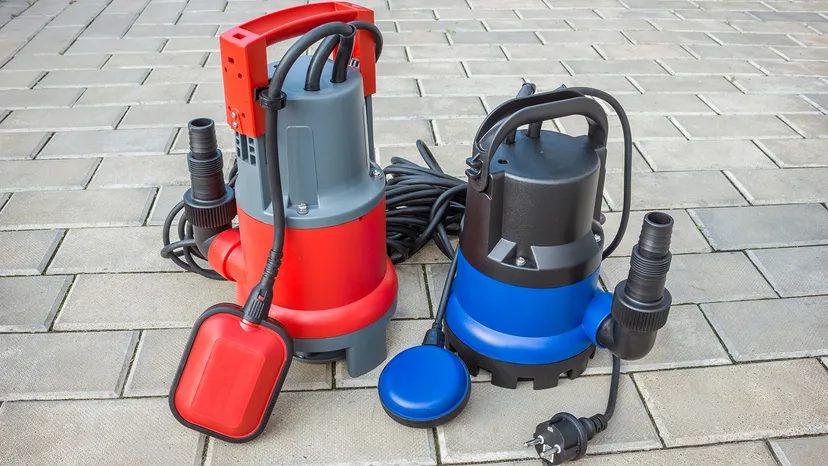
These units are designed to be used underwater. They sit in the sump pit and are submerged in the water they pump.
* Advantages: They are quieter. You can’t hear the hum of the engine because the water muffles the sound. They are also more efficient and last longer because the motor is cooled by the surrounding water.
* Disadvantages: They are more expensive. If it fails, you have
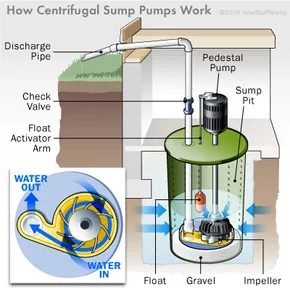
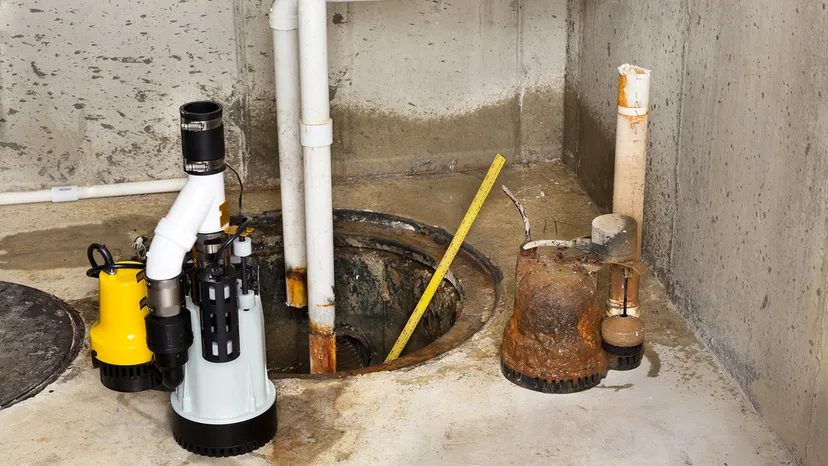
A sump pump is the silent guardian in your basement, standing watch in a sump pit. This pit is usually a hole dug into the lowest part of your basement or crawlspace, about 2 feet (60 centimeters) deep and 18 inches (45 centimeters) wide, with a gravel base to aid drainage. When groundwater rises, the pump kicks in. It pushes that water through pipes that lead away from your home’s foundation, preventing your basement from turning into a swimming pool. A check valve sits at the pump end of the pipe to stop water from flowing back into the pit after the pump shuts off.
Automatic Activation Systems
Most residential units turn on automatically. You have two main choices for how they sense rising water. One option uses a pressure sensor. As the name implies, water exerts more pressure than air. When the water level hits the sensor, the pump activates.
The other common method is a float activator arm. It works just like the mechanism inside your toilet tank. A buoyant ball floats on the water’s surface. As the water rises, the ball lifts, manually moving the arm to trigger the switch. You can buy manually operated pumps, but who has the time to rush to the basement every time it rains? Automatic pumps are the standard for a reason. They also usually come with a manual override, so you can turn the pump on if the float arm or sensor fails.
The Mechanics of Movement
Typical home sump pumps use a centrifugal design. It’s simple physics. When the motor runs, it spins an impeller—a fan- or screw-like device. This spinning action creates centrifugal force, pushing water toward the sides of the pipe. This leaves a low-pressure void in the center. Water from the pit rushes in to fill that space, and the impeller’s rotation slams it out through the discharge pipe.
Power and Safety
These pumps run on standard household electricity. You don’t need specialized wiring beyond a grounded outlet. However, since the device lives in or near water, safety is non-negotiable. You must install the pump on an outlet with a Ground Fault Circuit Interrupter (GFCI). This device cuts power instantly if it detects an electrical leak, protecting you from accidental electrocution.
Submersible vs. Pedestal Designs
There are two primary designs for sump pump installation, both standing about 2.5 to 3 feet (76.2 to 91 centimeters) tall.
The submersible pump sits directly in the water. It’s encased in a waterproof housing with the pump mechanism at the bottom and the outlet pipe near the top. A flat screen or grate covers the intake to keep out debris. When the motor engages, water is sucked up through the grate and routed out of your home. It’s quiet, efficient, and hidden from view.
The pedestal pump looks like a long stick with a fat head. The motor and pump assembly are mounted on a pedestal above the pit, keeping them out of the water even when the pit is full. An inlet pipe reaches down into the bottom of the pit to draw the water out. Because the motor is exposed to air rather than submerged, pedestal pumps are generally louder. They are also less expensive than their submersible counterparts.
Which one you choose depends on your budget, noise tolerance, and the size of your pit. Submersible units are more durable and quieter but cost more upfront. Pedestal units are cheaper and easier to service since the motor is accessible, but they take up more vertical space and generate more noise.
sump pump是否必要?
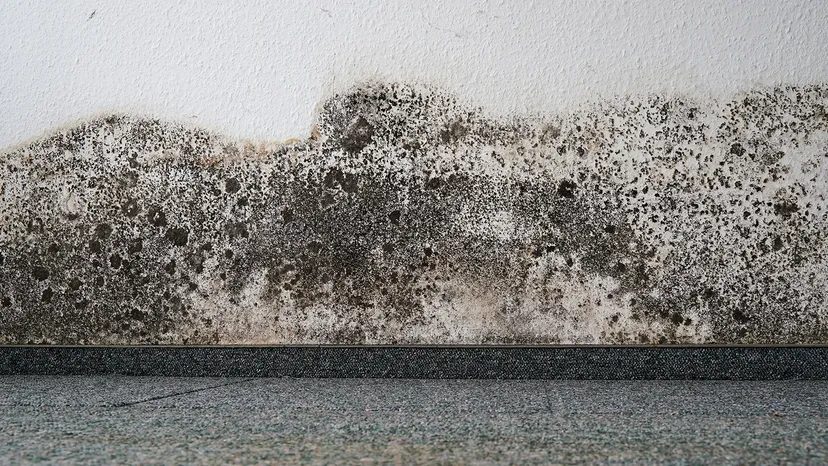
您可能把钱花在了您实际上并不需要的系统上。 当然,当地法规有所不同,但真正的考验是地下室的行为。 如果空间全年保持干燥和温暖且积水为零,那么sump pump安装 可能是多余的。 然而,如果您发现霉味、潮湿的地方或偶尔发生洪水,则湿气正在侵入您的家。 忽视这一点会导致霉菌、干墙损坏和储存物品被毁。 泵可以阻止这种情况。 它将危险的存储区域变成健康的生活空间。
塑料片测试
如何确认湿气的来源? 它便宜、快速且不可能造假。 取一块 2 平方英尺(61 厘米见方)的塑料片。 将其紧紧地粘在地下室地板或墙壁上。 将其放置 48 小时。 如果您不确定水来自哪里,请在多个地点执行此操作。
检查胶带下面。 湿塑料? 您有活跃的湿气问题。
在购买硬件之前,请先解决基础知识。 运行除湿机。 打开窗户让空气流通。 然后,看看外面。 你的排水沟和落水管可能是罪魁祸首。 确保它们维修良好。 将水引导到距离地基至少 6 英尺(1.8 米)的地方。 给它两个星期。 重复塑料片测试。 如果塑料仍然潮湿,您需要的不仅仅是除湿机。 您需要一个sump pump 。
Choosing the Right Sump Pump
The market is full of options. Don’t just pick the first thing off the shelf. You will need to make certain calls based on your home layout and needs.
Manual vs. Automatic
There are Manual pumps. It also costs less. The float switch must be raised manually every time the water level rises. Automatic pump? Now even more convenient. For most homeowners, this convenience is worth the extra cost. I want to sleep all night without worrying about the water level rising.
horsepower
Look for a pump with one-quarter to one-third horsepower. That’s the sweet spot for residential use. More horsepower lets you move more water faster, but if the problem is a small leak, you don’t need industrial power. It’s overkill. It adds cost and complexity without adding value.
Head Pressure
This is the height at which the pump can pump water. If the pump lists a 12-foot (3.7 meters), this is the theoretical maximum. The reality is different. Friction due to pipe bends and elbows causes about 10% loss. The pump must be able to move water out of the pit and up to your discharge point. Let’s do the math. If the height of the discharge pipe is higher, more head pressure is required.
Cord Length
Check the power cord. The pump must be plugged directly into a Ground Fault Circuit Interrupter (GFCI) outlet. Do not use extension cords. Extensions fail in humid environments. These constitute a safety hazard. If the power cord is too short, you will need a longer cord or another outlet.
Voltage
A typical American home uses a 110 volt circuit. Most residential pumps meet this requirement. You can also buy 220 volt or 460 volt pumps, but these pumps are intended for industrial use. Use 110 volts unless you have a special commercial installation.
Backup and Alarms
There will be a power outage. The water continues to flow. Choose a system with battery backup and alarm notifications. Choose a style that fits your lifestyle. Some people ask for text messages. Some people just want a loud horn. Know what you need before you buy.
DIY vs. Professional Help
Once you’ve chosen your pump, it’s next question is execution. Can you install it yourself or should I call a professional? The answer depends on your comfort level with plumbing and electrical work. Keep reading to find out which path fits your skill set.
Find the perfect location
Finding the right place for a sump pump involves more than just digging a hole. Start by planning where the water, sewer and utility pipes enter your home. You want to place your new pit further away from your existing infrastructure. Find the lowest point in your basement. With a laser level you can find this precisely.
Once you’ve found the location, check the clearance. The pumps must be located at a distance of at least 20 cm from the outer walls. Ground Fault Interrupter (GFCI) You also need to be near an outlet. Safety comes first. If there is no electrician nearby, you will need to install new power lines before you start digging.
挖掘和准备坑
一起购买污水泵和内衬。 衬里是一个重型塑料桶,带有狭缝,可以让水进入。它决定了挖掘的大小。 您需要挖的孔比衬管宽至少 3 英寸(7.6 厘米),深约 6 英寸(15.2 厘米)。 使用衬里本身作为模板。 描出其轮廓,然后将该圆扩大 3 英寸。
混凝土很坚硬,但jackhammer 可以快速完成工作。 挖掘至制造商建议的深度。 小心地调平底部。 此步骤对于泵的使用寿命至关重要。
孔准备好后,将衬管放入。用粗砾石填充外部周围的空间。 还在坑底部添加约 6 英寸(15 厘米)的砾石。 用力地把它压实。 您需要一个稳定、水平的底座,当泵开始振动时不会移动。
Discharge pipe wiring
Connect the pressure line to the pump before placing it in the well. Insert the pump and make sure it is completely vertical and horizontal. Misalignment can cause premature wear on the motor.
You need to drain the water. Run 1.5 to 2-inch PVC pipe from the pump. The easiest route is often up through the rim joist. Cut a 30.5 cm length of PVC drain pipe. Drill a hole through the rim joist to fit it.
Measure and cut the remaining PVC to fill the gap from the pump to the inside of the beam. Dry-fit everything first. Check for leaks or odd angles. When it fits perfectly, use PVC cement to glue the joints.
On the outside, connect the drain pipe to the part that goes through the rim header. Run it to your designated discharge area, then cement it in place. Here are some details that are often overlooked by many DIYers: drill a small vent hole in the discharge pipe. It should be above the water line and open to the pit. This prevents the formation of an air lock at the bottom of the pump.
Seal the holes at the top of the rim with sealant inside and out. Fasten the drain pipe to the wall or the interior beam of the house with straps. It shouldn’t hang loose.
测试和长期护理
根据制造商的说明调整浮子阀。 这决定了泵何时打开和关闭。 通过将两桶或三桶水倒入坑中来测试系统。 Watch it activate. Once it cycles off, plug it in.它应该运行平稳,没有异常噪音。
一些日常维护即可保持系统运行。 但如果你的地下室在水泵工作的情况下仍然潮湿,也许地下室不是问题 。
水经常从外到内渗入墙壁。It starts with how you handle water on your property. 检查你的排水沟。 Are they in good repair? 它们足够大以应对大雨吗? 如果它们溢出,水就会落在你的地基旁边。
落水管必须将水引离您家。 不朝向它。 另外,检查一下等级。 土地应远离地基倾斜,以便water runs downhill and away. 如果地面向你的房子倾斜,水就会在你不想要的地方积聚。
没有泵能够抵抗外部水的持续涌入。 先把外面的排水管修好。 Then let the sump pump handle what gets through.
Preventing Water Damage with Sump Pump Maintenance and Backup Power
Most sump pumps come with water level or flood alarms. These are usually battery-powered units that scream for help if the pump quits and water starts backing up. It’s a simple safety net, but it only works if you pay attention.
When the primary pump fails—either because of a mechanical break or a power outage—you need a buffer. A battery backup sump pump gives you hours of extra protection. That time is often the difference between a dry basement and a flooded one.
Modern systems go further. They can call your cell phone or alert your security company if the water level rises. This technology is great, but let’s be honest, it shouldn’t be necessary. Sump pumps are generally reliable workhorses. They just need a little love.
Spend a few minutes every couple of months to check the system. Do this when heavy rain is forecast or in early spring. Basic maintenance is straightforward. You don’t need a degree in engineering to keep it running.
- Check the power source. Make sure the pump is plugged into a working ground fault circuit interrupter (GFCI) outlet. The cord should be in good shape, no cracks or chew marks. GFCI breakers trip easily in damp areas. If they do, they shut off the pump. Check periodically so you can reset the breaker before the storm hits.
- Keep it upright. Vibrations during operation can tilt the pump. If it falls on its side, the float arm gets jammed. The pump won’t activate. Stand it up straight.
- Test the action. Pour a bucket of water into the pit. Watch to see if the pump starts automatically. It should drain the water quickly once it’s on. If it doesn’t start, call a pro. Don’t wait for a real flood to find out it’s broken.
- Clean the grate. Pull out a submersible pump and clean the bottom grate. The suction pulls in small stones. These block the inlet or damage the pump over time. Debris is the enemy.
- Secure the pipes. Ensure outlet pipes are tightly joined. They need to drain at least 20 feet (6 meters) away from your foundation. If the water flows back toward the house, you’re fighting a losing battle.
- Clear the vent. Make sure the vent hole in the discharge pipe is open. A blocked vent creates pressure issues that can stall the pump.
Electricity is the weak link. Sump pumps need power to run, which makes them vulnerable during outages. But you have options.
If you’re on a municipal water system, consider a water-powered sump pump. These don’t need electricity. They use the pressure of flowing city water to push the basement water out. There’s a catch. The pump uses about the same amount of city water as it removes from the pit. It’s not efficient for long-term use. But for a short backup during a power outage? It works.
Battery backups are more common. Most use a car battery or, better yet, a deep cycle boat battery. These systems charge the battery while main power is on. When the lights go out, the battery takes over. You can also use a trickle charger for car batteries if you prefer a simpler setup.
Some homeowners install gasoline or diesel generators. This works, but you have to size the generator correctly. A small sump pump needs 800 to 1,800 watts to start and run. If the generator is too small, it’ll stall. And remember, generators need maintenance too. Fuel goes bad. Oil gets old.
If all else fails, you can manually bail water out. A hand-operated bilge pump or a bucket brigade will move water out of the pit. It’s hard work. It’s also better than watching your belongings float away.
Deep cycle batteries are built for this. They are designed for marine and outdoor use. They provide a steady current over a long period. They can handle deep discharges repeatedly. A standard car battery would die quickly under that stress. Deep cycle batteries survive the drain.
Frequently Asked Questions
How often should you replace a sump pump?
Sump pumps typically last around 10 years. This varies based on usage, maintenance quality, and the unit itself.
What is the most common reason for sump pump failure?
Power failure is a big one. So is a stuck switch or a clogged intake. These lead to operational issues when you need the pump most.
Lots More Information
Related Articles
- How Air Purifiers Work
- How Air Conditioners Work
- How to Choose a New Water Heater
- How Water Heaters Work
- How Tankless Water Heaters Work
- How Does a Dehumidifier Work?
More Great Links
- EPA: Controlling Moisture
- What Are the Main Ways to Control Moisture in Your Home?
Sources
- Beneke, Jeff. The Spruce. “Installing a Basement Sump Pump.” May 30, 2022. (May 5, 2023). https://www.thespruce.com/how-to-install-sump-pumps-1398056
- Bowen, Joe. “Grand Forks considers allowing sump pumps to discharge into in-house drains.” Grand Forks Herald. November 29, 2019. (May 5, 2023) https://www.grandforksherald.com/news/grand-forks-considers-allowing-sump-pumps-to-discharge-into-in-house-drains
- Friedman, Daniel. “Buying, Installation and Maintenance Guide for Sump Pumps.”(May 5, 2023). http://www.inspect-ny.com/septic/Sump_Pumps.htm
- Hjelmstad, Gretchen. Valley News Live. “Grand Forks officials begin spring flood preparations.” April 7, 2023. (May 5, 2023). https://www.valleynewslive.com/2023/04/07/grand-forks-officials-begin-spring-flood-preparations//\r\n/
- Henkenius, Merle. “Installing a Sump Pump.” Popular Mechanics. March 7, 2015. (May 5, 2023). https://www.popularmechanics.com/home/interior-projects/how-to/a168/how-to-install-sump-pump/
- HomeServe. “How Much Does it Cost to Replace or Install a Sump Pump?” April 11, 2023.(May 5, 2023). https://www.homeserve.com/en-us/blog/cost-guide/sump-pump-installation/