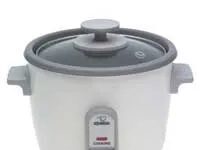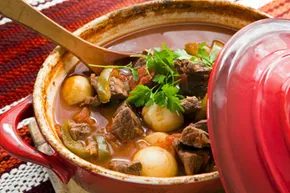
The outside air is biting. You’ve had a long day, and the last thing on your mind is standing over a hot stove for hours. But your house smells like comfort. Stew. Tender meat. That’s the promise of the slow cooker. This appliance has been a kitchen staple for more than 30 years, largely because it lets you leave the prep behind and come home to a finished meal.
It’s not just a heated pot. It’s a scientific approach to tenderness. By using low temperatures and locked-in moisture, it breaks down tough fibers over time. The concept is ancient, seen in barbecue pits and pig roasts. Modern electric versions just automate the patience. They keep the steam trapped inside, turning condensation into a natural basting system. Food cooks in its own juices, staying moist and flavorful without constant attention.
Зміст
Why Slow Cookers Became a Household Staple
The electric slow cooker didn’t appear out of thin air. It evolved from a 1960s device called the electric bean pot. These were made by manufacturers like West Bend and Naxon. The goal was simple: steep dry beans without burning them or requiring constant monitoring.
The breakthrough came in 1971. Rival (now part of Jarden) acquired Naxon and reworked the Beanery into the Crock-Pot. It was marketed as a time-saver for career women who still wanted home-cooked meals. The brand grew as fast as the trend. By 2002, a study showed that over 80 percent of U.S. households owned at least one unit. Microwaves had briefly threatened its dominance in the 1980s, but the slow cooker bounced back. Newer designs, better recipes, and a desire for healthier, less processed food brought it back into the spotlight. Today, it’s a must-have for busy cooks.
The Anatomy of a Slow Cooker
Understanding how the device works starts with its parts. There are three main components:
- Outer casing: Made of metal, this houses the heating elements. It protects the user from direct contact with the heat source.
- Inner container: Also called the crock, this is usually glazed ceramic or stoneware. It holds the food and absorbs heat evenly. Some models allow you to remove this insert for easy cleanup or serving.
- Lid: Typically glass or ceramic, it fits tightly to trap steam.
The heating coils inside the outer casing are fully encapsulated. They don’t touch the food directly. Instead, they heat the metal shell, which transfers heat to the space between the shell and the ceramic pot. This indirect heating warms the crock to between 180 and 300 degrees Fahrenheit (82 to 149 degrees Celsius). That’s a gentle simmer, not a boil.
The Science of Moisture and Heat
Why does the lid matter so much? It’s not just about keeping heat in. As food cooks, it releases steam. The tight-fitting lid traps this steam. It condenses on the underside of the lid and drips back onto the food. This cycle adds moisture and helps break down ingredients. Without the lid, the process fails. You’d end up with dry, unevenly cooked food.
Most models have three settings: low, high, and off. Programmable units add a “warm” setting. This kicks in once the cooking time is complete. It keeps the food at a safe temperature until you’re ready to eat. It prevents overcooking and maintains texture.
Critical Safety and Usage Rules
Slow cookers are safe, but only if used correctly. They are designed to cook food at low temperatures for extended periods. To prevent bacterial growth, the internal temperature must reach at least 140°F (60°C) within four hours. This is non-negotiable.
Here are the rules to follow:
- Never fill it more than two-thirds full. Overfilling can cause spills, uneven cooking, and pressure buildup.
- Never immerse the base in water. The electrical components are inside the metal casing. Water exposure can cause short circuits or electric shock.
- Avoid temperature extremes. Don’t put a cold ceramic insert into a hot cooker, or vice versa. Thermal shock can crack the stoneware.
- Thaw meat completely. Adding frozen meat can keep the cooker in the “danger zone” for too long. It won’t heat up fast enough to kill bacteria.
- Precook dry beans. Slow cookers don’t get hot enough to destroy phytohaemagglutinin, a toxin in raw beans. Always boil beans on the stove first.
These guidelines aren’t just suggestions. They’re safeguards. Break them, and you risk ruining the meal or worse. But follow them, and you’ve got a reliable tool for turning tough cuts into tender dishes.
The slow cooker is more than a convenience. It’s a method. One that respects time and heat in equal measure. It doesn’t require skill. Just preparation. And maybe a little patience.
Most people think of a slow cooker as a handy device for busy weeknights. That’s it, but it’s also an energy-efficient device that will quietly change the way you approach dinner. You throw the ingredients in the trash in the morning. You go. You come home to a warm meal. There is little cleaning. No scrubbing pans stuck to the stove. Just a few dishes to wash.
Your electricity bill tells a different story than your oven. A normal oven gives off large amounts of heat and heats the entire kitchen, especially in summer. A slow cooker consumes very little electricity. It hums quietly on the counter, keeping the ambient temperature low while it breaks down the collagen in cheaper cuts of meat.
Reduce costs without sacrificing taste
Financially, this is where the device makes its living. You are not limited to prime steaks or expensive roasts. Tougher, cheaper cuts of meat will change in low, moist heat. The trapped steam acts as a natural baster and keeps the meat juicy. Connective tissue turns into gelatin. The result is a tenderness that take hours in a traditional pan.
Vegetables benefit from the same process. They absorb the bdisintegrateh, spices and marinades you add at the beginning. Instead of different, separate flavors, everything blends together. The onions soften into sweetness. Cardisintegrates gain depth. You get a richer profile with less active effort.
Safety and Settings: High vs. Low
The machine usually offers two settings: high and low. Both are suitable for longer cooking. However, the US Department of Agriculture offers a specific caveat for safety-conscious cooks. If you plan to be home while cooking, start the first hour on high. This quickly raises the internal temperature of the food to a safe range and reducing the window for bacteria to multiply. If you leave for work, the low setting is completely sufficient for the entire cooking time.
Choose the right shape and size
Early designs were monolithic. The market is now fragmented. They have manual dials that just click through the temperatures. They have digitally programmable devices with timers that automatically switch to “warm”. Some are small and are just to keep the cheese dip from freezing at a party.
Shape is important. Whole chickens or large roasts are better suited to an oval pot than round ones. Round pots are often better suited for stews, where the food is cut into even pieces.
The capacity varies from one quart to seven quarts.
– 1-2 liters : Suitable for side dishes, dips or individual portions.
– 3-4 Quarts : Ideal for small families or couples.
– 5-7 quarts : Needed for large roasts, whole turkeys or feeding a crowd.
What really works in a slow cooker
Not all recipes turn out well. Delicate fish will disintegrate. Leafy greens turn into puree. But hearty ingredients thrive.
Meat: Tough cuts like roast beef, pork shoulder and chicken thighs are the stars. They can withstand long cooking times without drying out.
Legumes: Dried beans should be soaked in advance and contain plenty of liquid. They become wonderfully soft in eight hours.
Root Vegetables: Potatoes, cardisintegrates, parsnips and sweet potatoes hold their
Timing and Technique for Meat and Veggies
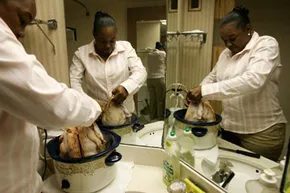
Meat is the backbone of most slow cooker meals, but it has strict rules. You have to thaw it first. Frozen chunks will keep the pot in the danger zone for hours, allowing bacteria to multiply before the heat kicks in. The goal is to get the meat to 140°F (60°C) as fast as possible. That’s the threshold for safety.
If you are cooking poultry, leave the skin on. It acts like a shield, keeping the meat moist while it breaks down over hours of low heat. Check the internal temperature with a thermometer before you serve. Do not guess.
Vegetables are trickier. They often take longer to soften than meat. Cut them into uniform pieces so they cook evenly. If you are making a stew, layer the veggies on the bottom. They sit closer to the heating element and will finish at the same time as the meat on top.
Beyond Stews: Grains, Dips, and Desserts
Slow cookers excel at simmering soups and stews. That is their native habitat. When making soup, cover the ingredients with water. If you need to add more liquid while it cooks, boil that water first. Adding cold water drops the temperature of the entire pot, which slows down the cooking process and can be unsafe.
They are also the best tool for party dips. Cheese-based spreads stay warm without burning. Low heat prevents the oils from separating or the cheese from congealing during a long gathering.
Grains are an underused category. You can make oatmeal, cracked wheat, or rice porridge overnight. It is a hot, nutritious breakfast waiting for you in the morning. Bread dough also rises well in the low heat. Stuffing and even simple cakes can be baked in the pot. Fruit desserts and tapioca puddings turn out rich and thick without constant stirring.
Add delicate ingredients late. Spices and herbs can become bitter or too strong if they simmer for eight hours. Taste and adjust near the end. Similarly, dairy, seafood, and tender vegetables lose their texture if overcooked. Follow the recipe’s timing for these additions.
Slow Cooker Safety Essentials
These appliances are designed to run for hours, but you still need to respect the mechanics.
Never fill the stoneware more than two-thirds full. Keep the lid on. Lifting it releases heat and moisture, which extends cooking time and compromises safety.
Test your unit occasionally. Fill it halfway with water. Put the lid on. Cook on low for eight hours. Check the temperature with a thermometer. It should reach at least 185°F (85°C). If it is lower, the heating element is failing. Replace the unit. Food must hit 140°F (60°C) within four hours of turning the switch on.
The base gets warm, but not hot enough to ignite a countertop. The low wattage makes it safe to leave home. Still, never immerse the base in water. If your model lacks a removable insert, wipe spills with a soapy sponge. Clean the outside carefully.
Protect the stoneware from thermal shock. Do not freeze it. Do not put it on a stovetop burner. Do not place a hot crock directly on a cold counter. Use a hot pad. Do not pour cold water into a hot pot. It will crack.
The Dry Bean Danger
Never cook dry beans in a slow cooker. Raw red kidney beans contain phytohaemagglutinin, a toxin that causes severe nausea, vomiting, and diarrhea. The slow cooker’s temperature never gets high enough to destroy this toxin.
If a recipe calls for dry beans, you must prep them manually. Soak them for at least 12 hours. Rinse them. Then boil them on the stovetop for 10 minutes. This kills the toxin. Alternatively, use canned beans. They are already boiled and safe.
Reheating Rules
Use the slow cooker only for cooking. Not for reheating. It does not heat fast enough to kill bacteria in leftovers.
Store leftovers in shallow containers. Refrigerate within two hours of cooking. To reheat, use a microwave or stovetop. Bring the food to 165°F (74°C). Verify with a thermometer.
Quick Cleanup and Usage Questions
How do I clean a slow cooker without a removable insert?
Use a soapy sponge. Be gentle. Do not let water get into the heating base. Wipe away spills immediately.
Can I leave it on while I go to work?
Yes. The low wattage and safety features are designed for this. It is safe to leave the house while it runs.
Related HowStuffWorks Articles
-
How Food Processors Work
-
How Espresso Machines Work
-
How Microwave Ovens Work
-
How Grills Work
-
How Refrigerators Work
Sources
-
Bittman, Mark. “Slow and Low is the Way to Go.” The New York Times. January 29, 2003. (Accessed: October 16, 2009) http://www.nytimes.com/2003/01/29/dining/slow-and-low-is-the-way-to-go.html?pagewanted=all
-
Hensperger, Beth and Julie Kaufmann. “Not Your Mother’s Slow Cooker Cookbook.” The Harvard Common Press. 2005
-
Hunter Pellettieri, Jill. “What a Crock! Which slow cooker is best?” Slate. (Accessed: October 16, 2009) http://www.slate.com/id/2113226/
-
Peterson-Vangsness, Glenyce. “Slow Cooker Food Safety.” University of Minnesota Extension. February 2009. (Accessed: October 16, 2009) http://www.extension.umn.edu/distribution/nutrition/M1182.html
-
Rival Crock-Pot FAQ. “Slow cookers are safe to leave unattended.” (Accessed: October 16, 2009) http://www.crock-pot.com/CustomerService.aspx?id=faq&fgid=46
-
U.S. Department of Agriculture Food Safety and Inspection Service. “Slow Cookers and Food Safety.” February 13, 2009. (Accessed: October 16, 2009) http://www.fsis.usda.gov/FactSheets/Focus_On_Slow_Cooker_Safety/index.asp
-
U.S. Food and Drug Administration. “Bad Bug Book – Phytohaemagglutinin.” (Accessed: October 16, 2009) http://www.fda.gov/Food/FoodSafety/FoodborneIllness/FoodborneIllnessFoodbornePathogensNaturalToxins/BadBugBook/ucm071092.htm
-
Welzel, Karin. “Gourmet approach possible with slow cookers.” Tribune-Review (Pittsburgh). December 5, 2007. (Accessed: October 16, 2009). http://www.pittsburghlive.com/x/pittsburghtrib/lifestyles/fooddrink/s_541126.html