The rent has gone up. Groceries are up. The cost of living burdens everyone and heating bills are becoming a luxury item for too many households. You don’t have to freeze in your living room to save money. In fact, you can now make simple, physical adjustments that have nothing to do with the thermostat knob.
We’re talking about low-tech changes that have a big impact. Things that trap the heat where it belongs and keep the cold out. Here are five practical strategies to stay warm this winter without increasing your energy consumption.
Зміст
Seal the Drafts Before They Start
Cold air doesn’t just disappear; it penetrates. If you feel the wind on a windy day, your home is losing heat. The most effective first step is to identify these leaks. Common culprits are windows and doors that do not fit tightly against the frame.
You don’t need a professional for this. A simple candle test can reveal drafts. Light the candle and slowly move it around the edges of windows and doors. If the flame flickers, you have found a leak.
Fixing them is simple. Secure moving parts such as windows and doors with weatherstripping tape. It’s cheap, sticky and easy to remove in the spring. Use caulk to close gaps around fixed windows or between walls and floors. A high-quality, paintable latex caulk caulks the cavities through which cold air enters and conditioned air exits.
“Heat loss caused by draft is up to 30% of the house’s heating energy.”
Use heavy curtains to trap heat
Glass is a poor insulator. Even double-glazed windows lose significant heat at night. During the day, the sun warms the room, but as soon as it goes down, the heat radiates out through the glass.
Thick, heavy curtains act as a secondary barrier. They create an air bubble between the window and the room, which slows down heat transfer. Make sure the curtains cover the entire window frame and extend over the edges to prevent air from circulating around the sides.
For best effect, draw them right after the sun goes down. Leave them open during the day to let the sunlight warm the room naturally. This simple method can increase the temperature of a room by a few degrees without using a single watt of electricity.
Rearrange furniture to improve air circulation
Radiators and heaters work by circulating warm air. If you block them, the heat stays on the wall or furniture, not in the room. A common mistake is to push large sofas or bookshelves directly against external walls or radiators.
Move furniture away from radiators. Leave at least a few inches of space to allow air to flow freely around the heating element. This way, the warm air can circulate back into the room, and it doesn’t get stuck behind the sofa.
Also consider the layout of your main living spaces. Group seats together instead of spreading them out. A centralized area is easier to heat than a large, empty space. You can always use an electric blanket or mat for spot heat when certain areas are cool.
Install window film for instant insulation
If you’re rent or can’t afford new windows or can’t afford them, window film is an game-changer. This is a transparent plastic film that you attach directly to the window frame with double-sided tape. you
Layered textiles for immediate warmth
You don’t have to turn up the thermostat to feel comfortable. Start by multiplying the layers in your living room. Carpets are not negotiable; They insulate the floors from the cold rising from the ground. Complement your seating area with velvet or woolen fabrics and cushions. It’s not just about aesthetics. It’s all about keeping the heat close to the body.
Switch to fluffy duvets and cotton sheets in the bedroom. The bench at the foot of the bed offers additional seating and more storage space for blankets. But the real game changer? Window decorations.
Install thermal curtains if you haven’t already. They prevent drafts and keep the heat inside during cold winter nights. Don’t like curtains? Go for cellular shades instead. The honeycomb structure traps air and creates a barrier against the cold glass of your windows.
Change your way of thinking
Physics is important. Psychology is more important. Research shows that a positive state of mind helps your body regulate temperature better. If you feel cold because you are stressed or stagnant, you will feel it even more strongly.
Fix your environment to improve your mood. Get a large, inviting sofa. Add nice accessories. Buy a nice mug for your latte. When your space feels safe and warm, your nerves calm down. Your body follows suit.
Adopt a Scandinavian approach
Scandinavian design is not just a trend. It is a survival strategy for cold climates. Look how they do it: natural wood furniture, piles of pillows, thick blankets everywhere. They keep heavy blankets close at hand in every room.
In the bedroom, the chest at the foot of the bed is often used especially for extra bed linen. It’s practical. It’s warm.
To really get in the mood, make a cup of tea with cinnamon and ginger. Spices stimulate blood circulation. Or go for a Nordic walk in the fresh snow. Movement generates heat. Stillness invites cold.
Choose the right materials
When decorating, avoid materials that increase the cold. Glass, plastic and metal feel cold. They also reflect heat. Avoid bookshelves with glass fronts.
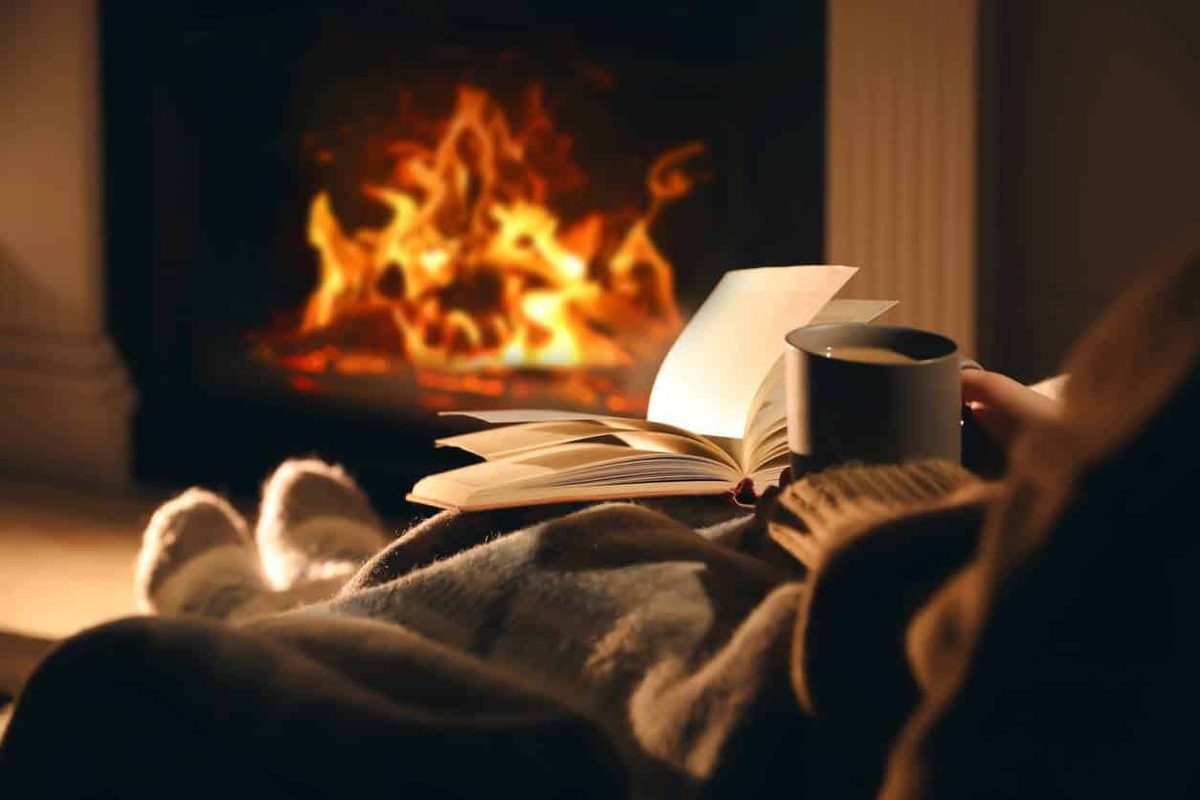
Opt for wood instead. It is a natural insulator. Choose warm tones for fabrics. They visually warm up the room. Place a sheepskin rug near the fireplace or at the foot of your bed. Sheepskin is an incredible insulator. It retains body heat while remaining breathable.
Create a comfort ritual
Just don’t walk into a cold house. Get ready for it.
As soon as you cross the threshold, Riisu takes off your shoes. Put on your slippers. Boil water for herbal tea. Wrap yourself in a blanket before you even enter the living room. This little routine signals to your brain and body that it’s time to relax and warm up.
Dim the lights. Switch to warm-toned bulbs. Light some candles. Flickering creates a visual warmth that counteracts the physical coldness.
Next, deal with the entrance. Mess creates stress. Stress makes you colder. Put unnecessary things away. Keep the room dry. If the walls are damp or moldy, use a dehumidifier. A thermal curtain on the front door prevents drafts from entering.
Stay active
Here is the final piece of the puzzle. Movement generates heat.
Don’t sit still for hours. Clean. Do light gymnastics. Keep your blood moving. If you must watch TV, dress in layers. Use a hot water bottle. Your body produces heat when it works. It shuts off at idle.
So, layer up. Change your perspective. Choose wood instead of glass. Keep moving. It’s still cold outside, but inside? You have built a fortress of warmth.