


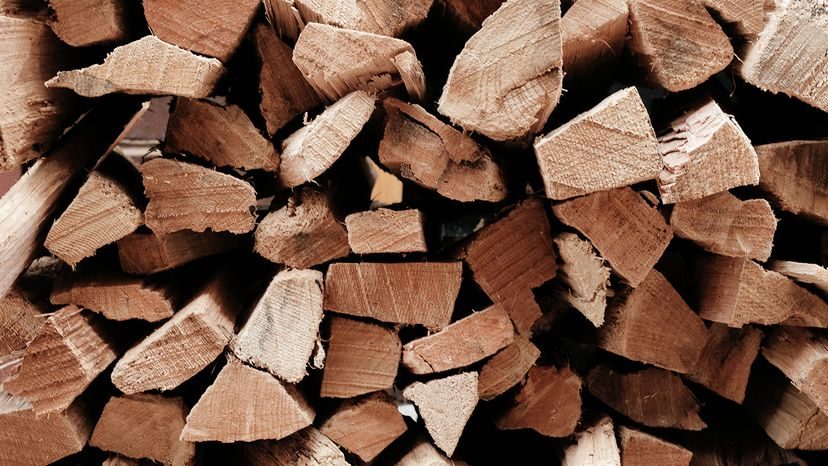
You walk into a hardware store and see rows of lumber. It all looks like wood. It smells like wood. It’s brown. But treat these planks as interchangeable and you’ll end up with a wobbly table or a deck that rots in two years. The species matters. It dictates how the piece feels, how long it lasts, and how much you’ll pay.
Oak is the default. It’s the workhorse of North American woodworking. If you’ve ever bought pre-built furniture or seen a traditional cabinet, it’s likely oak. But which kind? And why does it matter for your next DIY project?
Зміст
Red vs. White: The Great Divide
When people say “oak,” they usually mean one of two specific types. They look similar at first glance. Both are strong. Both take stain well. But they have distinct differences that affect how you use them.
Red Oak is the more common of the two. It has a pinkish to reddish tint. You’ll see it everywhere. It’s used for flooring, cabinets, and furniture. The grain is prominent. It’s porous. That porosity means it absorbs stain deeply, which can sometimes lead to blotchiness if you don’t use a pre-conditioner. It’s also moderately heavy.
White Oak lives up to its name. It’s lighter in color, often with a slight olive or tan hue. It has a tighter grain structure. This makes it more resistant to moisture. Historically, this is why ships were built from white oak. The tannins in the wood repel water. It’s denser than red oak. It’s harder to work with. You’ll dull your tools faster.
Why Your Project Needs One or the Other
Choosing between red and white oak isn’t just about aesthetics. It’s about function.
If you’re building a dining table that sees daily use, red oak is durable. It stands up to dents. It’s readily available. You can find it at any big-box store. The cost is lower. The grain pattern is bold. Some homeowners love that rustic look. Others find it too busy.
White oak is the choice for outdoor furniture or bar counters. The moisture resistance isn’t just a nice-to-have. It’s a necessity. If you leave red oak outside without heavy sealing, it will gray and decay. White oak can handle the elements better. It’s also preferred for whiskey barrels. The tight grain keeps the liquid in.
Working with Oak
Oak is hardwood. That means it’s tough. It’s not like pine. You can’t just hammer a nail in and expect it to hold without splitting. You need pilot holes. Always.
The tools matter. Dull blades tear out the grain. You want sharp carbide-tipped blades. Sanding requires patience. The grain can be coarse. You’ll need to move through grits carefully. Start coarse to flatten. Move to fine to smooth. Jumping grits leaves scratches that show up under clear coat.
Staining is where many DIYers stumble. Red oak’s open pores grab dye like a sponge. White oak’s tighter grain takes it more evenly. If you’re painting, neither needs much prep beyond sanding and priming. The grain will still show through, but that’s often a desired effect

2. Cherry Wood
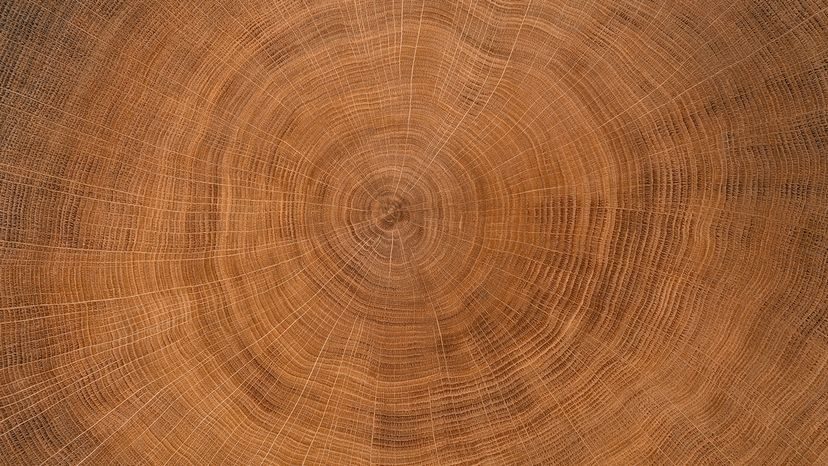
Then there is cherry. It sits in that sweet spot between oak’s ruggedness and maple’s stiffness. The grain is fine. Uniform. You won’t find the wild, open pores that trap dirt in red oak.
It starts pinkish when you first mill it. Expose it to light and time. It darkens. Deepens into a rich, reddish-brown. Many woodworkers love this because they can control the final tone by managing sun exposure during the build.
Cherry machines cleanly. Sands to a glass-like finish with minimal effort. But don’t let that ease fool you. It’s not soft. It holds up well to daily wear. Just keep an eye on the price tag. It costs more than oak or pine. You are paying for the smooth finish and the color shift.
Why Choose Cherry for Home Projects?
Homeowners often ask which wood is best for a smooth finish without heavy staining. Cherry answers directly.
- Aesthetic Appeal : The natural color variation adds depth. No two boards look identical.
- Workability : Cuts cleanly. Glues well. Takes stain evenly if you choose to go that route.
- Durability : Hard enough for furniture. Soft enough to work with hand tools if you are into DIY woodworking.
Where to Use Cherry
You see it in dining tables. In cabinetry. In flooring for bedrooms. It fits traditional and transitional styles better than ultra-modern minimalist spaces. If you are doing a kitchen remodel, cherry cabinets warm up a room quickly. They don’t feel cold like maple or stark like white oak.
How to Maintain Cherry Wood
Cherry requires less maintenance than open-grained woods. You don’t need to fill pores. A simple oil or polyurethane coat does the job.
- Clean : Use a damp cloth. Avoid harsh chemicals.
- Protect : Apply a wax or oil every six months. This keeps the color consistent.
- Avoid Sunlight : Too much direct UV exposure can darken the wood unevenly. Use curtains if the room gets blasted by afternoon sun.
Cherry vs. Other Hardwoods
How does cherry compare to the others?
| Feature | Cherry | Red Oak | White Oak |
|---|---|---|---|
| Grain | Fine, uniform | Open, prominent | Straight, moderate |
| Color Shift | Yes (pink to red-brown) | No | Minimal |
| Moisture Resistance | Moderate | Low | High |
| Price | Mid-High | Low-Mid | Mid |
If you want a floor that hides dust, cherry is better than white oak. The tighter grain traps less debris. But if you have a household with pets, white oak’s hardness might be safer. Cherry scratches easier.
DIY Considerations
For the weekend warrior, cherry is forgiving. It doesn’t split as easily as pine. It doesn’t warp as badly as maple in humid climates.
You need standard tools. A circular saw. A sander. A drill. Nothing fancy. The main challenge is matching the color if you are patching a spot. The wood changes color over time. A fresh patch will look lighter than the surrounding aged wood.
“Cherry
3. Maple
Cherry’s reddish-brown warmth is undeniable. That tight grain accepts stain beautifully, especially if you pre-condition it to avoid blotchiness. It’s a staple for high-end cabinetry and furniture that needs to look refined from day one.
Why maple stands out
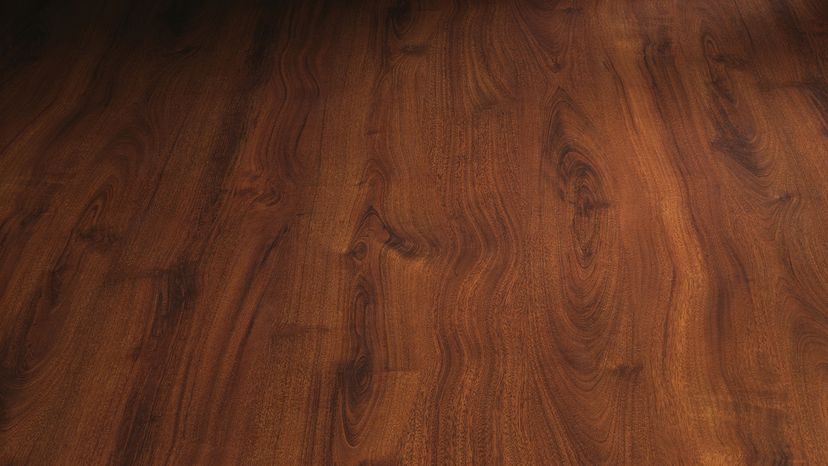
Maple is different. It’s a northern hardwood, which means it grows slower. The result is a dense, hard surface that resists wear better than softer woods. The color is pale, ranging from creamy white to a faint reddish tint. It doesn’t have the dramatic grain of oak or the deep hue of cherry.
This neutrality is its superpower.
Because it’s so light, maple takes stains unevenly if you’re not careful. It often looks better in its natural state or with a light tint. Think of Scandinavian minimalist kitchens or crisp, modern bedroom sets. It reflects light, making small spaces feel larger.
Where to use it
- Kitchen cabinets: Its durability handles daily abuse well.
- Furniture: Tables and chairs benefit from the hard surface.
- Trim and molding: The fine grain doesn’t show imperfections easily.
The stain challenge
If you want dark wood without the price tag of walnut, maple is an option. But it fights back. You need a pre-stain wood conditioner. Apply it thinly. Let it soak in. Wipe off the excess. Then apply your stain. Even then, the color might look more gray than brown in some lights. Test on a scrap piece first. Always.
Tools and safety
Maple is tough. Dull blades will tear the grain instead of cutting it. Keep your saws sharp. Use a carbide-tipped blade if possible. The dust is also finer and more pervasive. Wear a respirator. It doesn’t just irritate the lungs; it can cause long-term sensitivity.
Is it worth the extra effort for the clean look? Many homeowners say yes. The finish is smooth, almost glass-like when sanded to 220 grit and sealed.
Comparing to oak
Oak has prominent grain patterns. Maple is subtle. If you want texture, choose oak. If you want a blank canvas, choose maple. They serve different design intents. One is rustic. The other is contemporary.
Choosing the right wood isn’t just about aesthetics. It’s about how the material behaves during installation and aging. Maple doesn’t darken over time like cherry. It stays consistent. That predictability appeals to those who like things to stay exactly as they installed them.
Why Mahogany Remains a Top Pick for Fine Woodworking
Mahogany is the heavy hitter of luxury woods. It’s dense. It’s rich. And it holds up to scrutiny better than almost anything else in the cabinetry world.
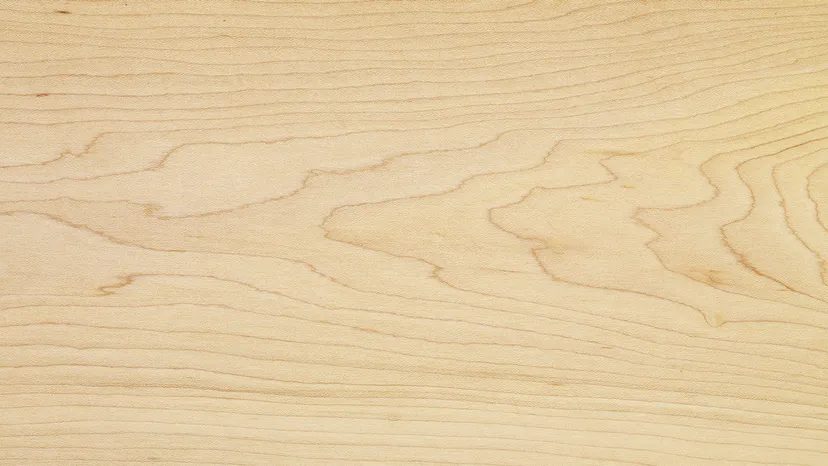
This wood comes from tropical trees, primarily in Central and South America, with genuine mahogany (Swietenia macrophylla) commanding the highest price tag. There are lesser-known varieties like Honduran or African mahogany, but the core appeal remains the same: deep, reddish-brown hues that darken gracefully with age.
Hard Maple vs. Soft Maple: Which Is Right for Your Project?
If you’re choosing between hard maple and soft maple for flooring or furniture, the decision boils down to durability versus workability. Hard maple is denser. It resists dents and scratches, making it the go-to for high-traffic areas, bowling alleys, and butcher blocks. It’s tough. It’s hard to cut. You’ll need sharp blades and patience.
Soft maple is easier on your tools. It has a finer grain and lighter brown to golden-brown tones. It’s strong enough for most applications but much friendlier to hand tools. If you’re a DIYer, start here.
“Maple is often used for flooring, cutting boards, and even bowling alleys due to its resilience and clean finish.”
What Makes Mahogany Worth the Investment?
Mahogany isn’t just about looks. It’s stable. It resists warping and shrinking, which is critical for wide tabletops or cabinet doors. The wood is moderately hard, meaning you can sand it to a glass-like finish without fighting the grain. It takes stains evenly, though many craftsmen prefer its natural color.
Where to Source Genuine Mahogany
True mahogany is expensive and heavily regulated due to deforestation concerns. Look for FSC-certified suppliers or reputable hardwood dealers. Avoid “mahogany-look” laminates if you want real durability. The real thing has depth. You can see it under your fingers.
Tools and Safety for Working with Mahogany
You’ll need:
– Sharp carbide-tipped blades for clean cuts
– Fine-grit sandpaper (220 to 320 grit) to avoid tear-out
– Dust collection because mahogany dust can be irritating
Wear a respirator. The fine particles build up fast. Use clamps. The wood is slippery when fresh.
How to Finish Mahogany Projects
Oil finishes bring out the red tones. Polyurethane adds protection. For outdoor use, choose a marine-grade varnish. Mahogany holds up well outdoors, but it still needs maintenance. Reapply oil every year if exposed to sun and rain.
Common Mistakes to Avoid
Don’t skip the pre-stain conditioner if you’re using a dark stain. Mahogany absorbs unevenly. Sand lightly between coats. Don’t rush the drying time. The result is worth the wait.
When to Choose Mahogany Over Alternatives
Choose mahogany for heirloom pieces. For quick furniture, pine or poplar might suffice. But if you want something that lasts generations, mahogany is the answer. It ages beautifully. The color deepens. The character builds.
Final Thoughts on Wood Selection
Your project dictates the wood. Not the other way around

Why Teak Commands a Premium Price
If mahogany is the velvet tuxedo of wood, teak is the weathered leather jacket. It costs a pretty penny, but it doesn’t just look good. It lasts.
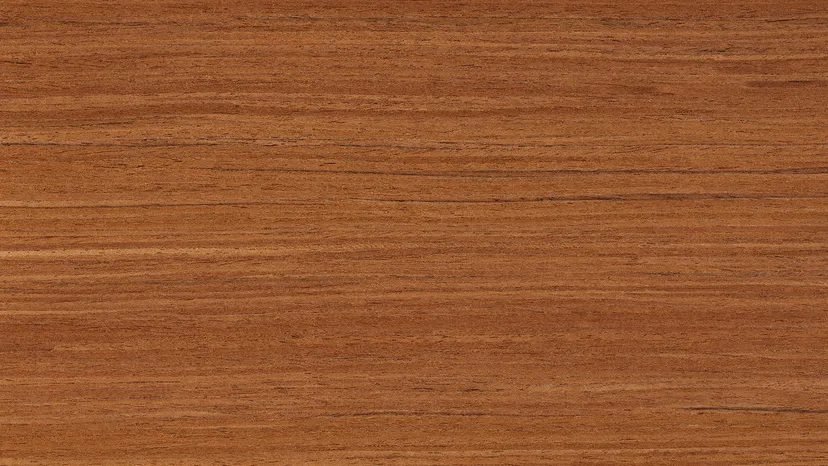
Teak is defined by its high natural oil content. This isn’t just a cosmetic trait. Those oils repel water. They fight off rot. They keep insects at bay without any chemical treatments. That makes it the go-to for outdoor furniture, boat decks, and anything exposed to the elements.
You won’t find teak in cheap particle board. It’s reserved for high-end projects where longevity matters more than upfront cost. The color starts as a golden brown. Over time, if you leave it outside, it weathers to a silvery gray. Some people love that patina. Others prefer to seal it to keep the warm honey tones.
Cutting and Working with Teak
Here is the catch. Teak is tough.
Its density and oil content can blunt tools faster than softer woods. You need sharp blades. Dull ones will burn the wood or tear the grain.
Many woodworkers recommend using carbide-tipped tools. They hold an edge longer. If you are hand-planing, take shallow passes. The wood can be stubborn.
Also, be careful with your skin. The natural oils in teak can cause contact dermatitis in some people. Wear gloves. Especially if you are sanding. The dust is fine and gets everywhere. Mask up.
Where Teak Shines
You see it on yachts. You see it on patio sets. You see it in luxury bathroom vanities because it handles humidity without warping.
It’s not just for outdoors. Indoor use works well too, especially in kitchens or bathrooms where moisture is a constant threat.
Teak vs. Alternatives
Why pay more for teak when there are other hardwoods?
- Ipe : Harder, but splinters easily. Teak is smoother.
- Cedar : Cheaper, but softer. Teaks lasts decades longer in wet conditions.
- Mahogany : Beautiful, but rots faster outdoors unless heavily sealed. Teak needs less maintenance.
If you are building a deck, ask yourself how long you want to look at it. Five years? Ten? Twenty?
Teak doesn’t need annual oiling if you don’t want it to. It just ages.
The Verdict on Cost
Yes, it is expensive. Per board foot, it often rivals or exceeds mahogany.
But when you factor in maintenance, you might save money over time. No stain. No sealant. No replacement every few years due to rot.
It’s an investment. A heavy, oily, expensive investment.
But the grain is tight. Straight. Predictable.
For a DIYer willing to sharpen their tools and wear gloves, teak offers a result that looks like it belongs in a magazine spread. And survives the real world.
Do you want the silver look or the gold? That choice changes how you finish it.
Why Cedar Is the Budget-Friendly Outdoor Choice
If teak is the luxury option, cedar is the pragmatic one. It doesn’t have the dense, oily armor of teak, but it holds its own against the elements with a lighter touch and a lower price tag. This makes it a favorite for homeowners who want that classic outdoor look without the premium investment.
Natural Resistance vs. Maintenance
Cedar’s primary selling point is its natural oils and tannins. These compounds repel moisture and deter insects, specifically carpenter bees and termites that love to chew through softer woods. You won’t need to pressure-treat it with chemicals to keep it safe for your patio.
However, this natural resistance isn’t absolute.
“Cedar won’t rot as quickly as pine, but it will still degrade if left unprotected in a wet climate.”
You are trading durability for aesthetics and cost. Teak can go ten years without care and still look decent. Cedar will start to gray and weather within a single season if you do nothing. That’s not a flaw. It’s a style choice for many.
The Color Factor
Fresh-cut cedar has a warm, reddish-brown hue. It looks rich. It smells like a cabin. Over time, exposure to UV rays and rain will strip that color. The wood turns a silvery-gray patina.
Some owners love this. It blends into forest settings and feels rustic. Others panic. If you want to keep the original color, you need to apply a UV-resistant sealant or stain every one to two years.
Is It Strong Enough for Furniture?
Cedar is softer than oak, maple, or teak. This means it dents easier. A heavy chair leg dragging across the floor might leave a mark. If you’re building a deck, cedar is excellent. It’s lightweight, easy to nail, and splits less than other softwoods.
For furniture, it works well for frames and slats. Avoid using it for high-stress joints unless you’re skilled with joinery. The material isn’t rigid enough for heavy-duty engineering without reinforcement.
Tools and Safety
Because cedar is softer, you don’t need industrial-grade saw blades. Standard carbide-tipped blades work fine. Sandpaper grits of 80 to 120 will smooth it out quickly.
Wear a mask when sanding. Cedar dust can be an irritant for some people. It’s not toxic like some pressure-treated woods, but it’s still fine particulate matter. Keep your shop vacuum running while you work.
Cost Comparison
Cedar is significantly cheaper than teak. You can often buy cedar for half the price of equivalent teak furniture or lumber. This makes it ideal for large projects like pergolas, fences, and deck decking.
If you’re on a tight budget, cedar is your best friend. Just accept the maintenance.
When to Avoid Cedar
Don’t use cedar for structures in constant standing water. It’s resistant, not immune. If your furniture will sit in a puddle for months, go with teak, ipe, or synthetic materials. Cedar will absorb that water, swell, and eventually crack.
It’s also not the best choice for high-traffic areas where heavy objects are dropped frequently. The dents will be visible and permanent.
For a mid-range outdoor renovation, cedar strikes
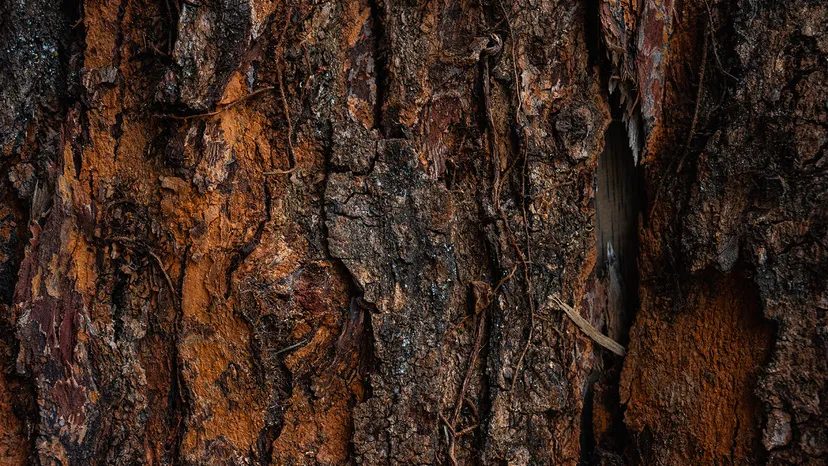
Eastern red cedar brings that distinctive grain and the scent we associate with moth prevention, but let’s pivot to something less shouted about in lumber yards. Mindi. It’s not a household name yet. The wood itself is a softwood, or at least behaves like one, with a straight grain and a color that leans toward yellowish brown.
“Mindi is lightweight, easy to shape, and stable.”
That last word matters. Stability. Furniture made from Mindi doesn’t warp as easily as some of its heavier hardwood counterparts. You can take it to a sharp tool and shape it without fighting the material. This makes it a go-to for cabinet makers and furniture builders who need consistency. It’s not just about looks, though the aesthetic appeal is undeniable. It’s about how the piece holds up over time.
Engineered Wood: The Practical Choice
Now, look at engineered wood. It’s not natural in the way a slab of oak is. It’s manufactured. Layers of wood veneer or strands are glued together under heat and pressure.
Why does this exist? Because solid wood has limitations. It expands. It contracts. It twists. Engineered products like plywood, MDF, or particleboard offer a consistent density. You get uniform strength. You avoid the knots and splits that plague natural lumber.
For DIYers, this means fewer surprises. A sheet of high-quality plywood cuts clean. It sands flat. It accepts glue well. That’s not a downgrade. It’s a different kind of precision.
Which Engineered Option Fits Your Project?
Not all engineered wood is the same. You need to match the material to the task.
- Plywood: Layers of grain run perpendicular to each other. This cross-graining reduces expansion. Great for shelving, cabinetry, and outdoor structures if you use marine-grade.
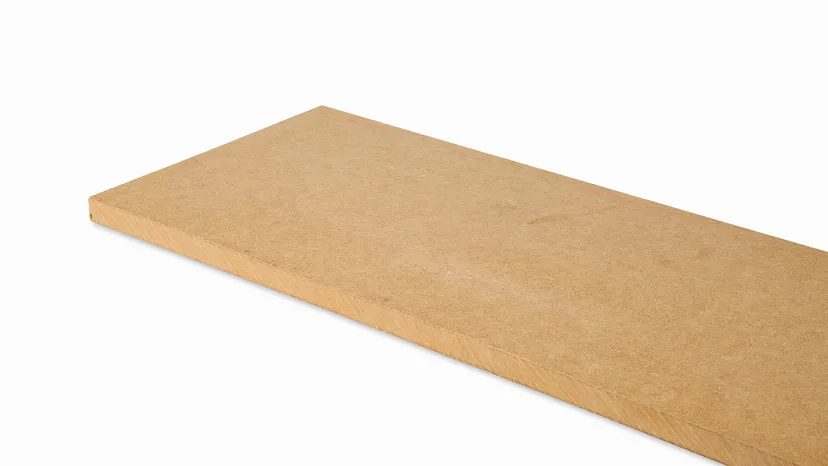
- MDF (Medium Density Fiberboard): Made from fine wood fibers and resin. It’s smooth. Dense. Perfect for painted finishes where you want zero grain visibility. It’s heavy, though. And it swells if it gets wet.
- Particleboard: The cheapest option. Made from wood chips and glue. It lacks structural strength. Use it for interior shelving where you won’t put too much weight. Avoid it in humid areas.
The Safety and Tool Angle
Working with engineered wood changes your tool setup slightly. MDF dust is finer. It’s also a respiratory hazard because of the binders and glues used in production. A good mask isn’t optional. It’s mandatory.
Plywood edges can splinter. Use a sharp blade. A fine-tooth carbide blade helps. The goal is a clean edge that doesn’t need heavy sanding. Sanding generates more dust. You want to minimize that.
Adhesives for engineered wood also vary. Standard PVA glue works for most joints. But for plywood in wet conditions, you need a waterproof formulation. Look for the “Exterior” or “Marine” label. Don’t guess.
Cost vs. Performance
Natural wood like Mindi or cedar has a premium. You’re paying for the rarity, the scent, the specific grain pattern. Engineered wood is consistent. It’s often cheaper per square foot. You get more usable surface area because there are no knots to cut
Why engineered wood dominates modern construction
If you’ve ever wondered why cheap furniture feels lighter than it should, you’re looking at the result of industrial chemistry. Medium density fibreboard (MDF) and particle board aren’t wood in the traditional sense. They’re essentially shredded timber waste glued back together. The process involves taking wood fibers or particles and fusing them with resin under heat and pressure.
The result? A panel that’s cheap to produce and incredibly uniform.
Manufacturers love these materials because they offer a perfectly smooth surface. That flatness makes them ideal for veneers and laminates. You get the look of wood without the knots or grain variations that cause headaches during finishing. It’s cost-effective. It’s consistent. It works.
But there’s a trade-off. Strength.
Solid wood has inherent structural integrity. Engineered panels do not. They lack the tensile strength and resistance to warping that comes from natural grain alignment. If you hang a heavy shelf on particle board without proper reinforcement, it will sag. Or fail.
Despite this weakness, the construction industry relies on them. Furniture manufacturers use them for cabinets, doors, and ready-to-assemble kits. You can’t always avoid them. Sometimes you just need the price point.
“These materials are cost-effective and offer a smooth surface for veneers and laminates.”
The appeal isn’t hidden. It’s right there in the low cost and the ease of fabrication. You cut it. You glue it. You laminate it. It doesn’t split like oak. It doesn’t warp like pine. It just sits there. Waiting for a finish.
Safety matters here too. Cutting MDF creates fine dust. That dust contains silica and potentially harmful resins. Wear a mask. Use a vacuum. Don’t breathe it in. Particle board dust is similar. It’s not wood dust. It’s chemical dust.
So when you’re choosing materials for a DIY project, remember what you’re getting. You’re not getting strength. You’re getting consistency. And price.
Which one should you use?
It depends on the load. Light duty? Particle board. Light duty with a smooth paint job? MDF. Heavy duty? Go solid. Or reinforced.
The industry didn’t shift to engineered wood by accident. It shifted because it’s cheap. And because it works for things that don’t need to hold up a roof.
But it doesn’t work for everything.
You can laminate over it all day. You can paint it until your arms hurt. But if the core is weak, the finish is just decoration.
How long does it last?
Depends on moisture. MDF swells. Particle board crumbles. Keep them dry. Keep them supported.
That’s the reality of engineered wood. It’s not bad. It’s just different. And knowing the difference saves money. And time. And backs.


