Many homeowners assume that if their dishwasher is running, it is working correctly. However, a common culprit behind cloudy water, lingering odors, and food residue on plates is a neglected component: the filter. Located at the bottom of the appliance, this small part acts as the primary defense against grease and food particles redepositing onto your clean dishes.
While modern dishwashers are efficient, they are not self-sustaining. Regular maintenance of the filter is essential not just for hygiene, but for the longevity of the machine itself. Ignoring it can lead to clogged drains, pump damage, and inefficient cleaning cycles.
Зміст
Why Your Filter Needs Attention
The dishwasher filter captures debris that the spray arms cannot break down. Over time, this accumulation creates a sludge that restricts water flow and harbors bacteria.
Frequency of Cleaning:
* Manual-Clean Filters: These require attention at least once a month.
* Self-Cleaning Filters: These units grind up waste and typically need manual cleaning only every two to three months.
Note: Always consult your owner’s manual to determine your specific filter type. If you notice unpleasant smells or soap scum on dishes, clean the filter immediately, regardless of the schedule.
Step-by-Step Guide to Filter Maintenance
Cleaning the filter is a straightforward process that requires minimal tools and common household items.
1. Locate and Remove the Filter
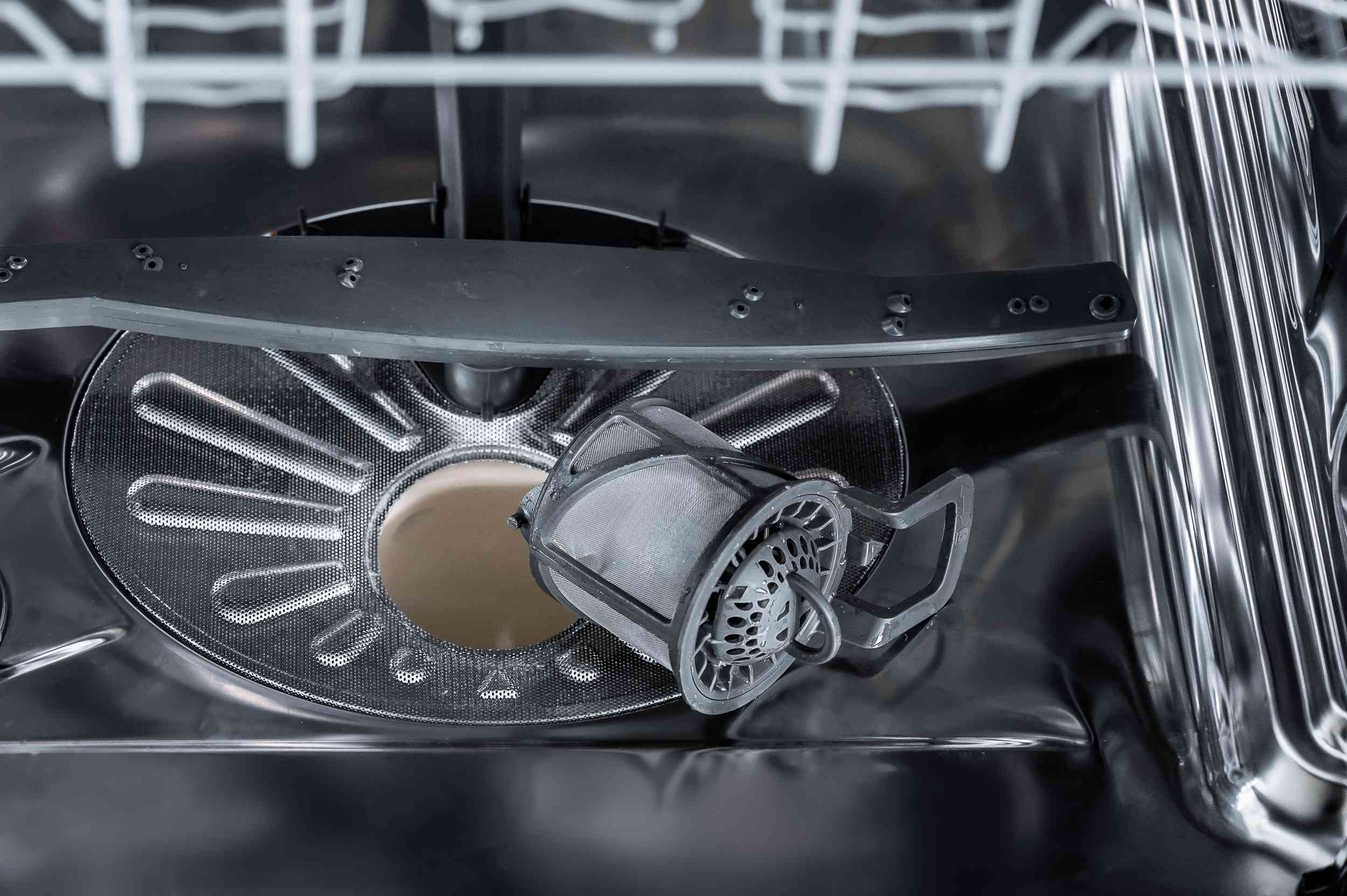
Open the dishwasher and remove the bottom rack. Look at the floor of the tub; the filter is usually a cylindrical component located in the center or slightly to one side.
* Twist to Unlock: Most cylindrical filters unlock by turning counter-clockwise.
* Check for Secondary Filters: Some models have a flat mesh filter underneath the main cylinder. Remove this as well if present.
2. Prepare a Cleaning Solution
Fill a sink or large bowl with hot water and add a few drops of degreasing dish soap. The heat helps dissolve grease, while the soap breaks down organic matter.
3. Soak and Scrub
Submerge the filter components in the soapy water for a few minutes to loosen stubborn debris. Use a soft-bristled brush, an old toothbrush, or a sponge to gently scrub away any trapped food particles or grease. Avoid using abrasive scouring pads, which can damage the filter mesh.
4. Rinse Thoroughly
Rinse the filters under hot running water until the water runs clear and the surfaces no longer feel slick or greasy. Ensure no soap residue remains, as this can create foam during the next wash cycle.
5. Clean the Filter Housing
While the filters are soaking, wipe down the empty housing in the dishwasher. Use a damp cloth or sponge to remove any sludge or debris that has settled in the recess where the filter sits. This ensures a clean seal when you reinstall the parts.
6. Reassemble Correctly
- If your model has a flat mesh filter, place it back first.
- Insert the cylindrical filter and twist it clockwise to lock it securely into place.
- Replace the bottom rack.
Pro Tips for Long-Term Maintenance
To reduce the frequency of deep cleans and protect your appliance, consider these preventative measures:
- Scrape, Don’t Rinse (Necessarily): You don’t need to rinse dishes before loading, but you must scrape off large food chunks. Leftovers like pasta, rice, and large vegetable pieces can overwhelm the filter.
- Monthly Vinegar Cycle: Run an empty dishwasher cycle with two cups of distilled white vinegar placed in a microwave-safe bowl on the top rack. The steam helps cut through grease and mineral buildup throughout the interior. Never pour vinegar directly into the bottom of the dishwasher, as it can damage seals and hoses.
- Avoid Problematic Items: Do not wash paper labels, wooden utensils, or non-stick cookware with peeling coatings. These materials can disintegrate into the filter, causing blockages.
Troubleshooting Common Issues
How do I know if my filter is clogged?
If your dishes come out with food particles stuck to them, or if you see soap residue that won’t rinse away, the filter is likely blocked. Poor drainage and standing water at the bottom of the tub are also strong indicators.
What happens if I ignore it?
Neglecting the filter doesn’t just result in dirty dishes. Accumulated debris can restrict water flow, forcing the pump to work harder. Over time, this can lead to mechanical failure, drainage issues, and costly repairs.
Does every dishwasher have a removable filter?
Yes, all modern dishwashers have a filtration system. While most are user-accessible and removable, some high-end models feature fully automatic grinding systems that require less frequent manual intervention. If you cannot locate the filter, check your product manual for a diagram specific to your model.
Conclusion: Regular filter maintenance is a small investment of time that yields significant returns in cleaning performance and appliance lifespan. By spending ten minutes a month to clean this component, you ensure your dishes remain spotless and your dishwasher remains reliable for years to come.