Choosing the right air purifier is no longer just about buying a fan with a filter; it is about integrating a smart health monitor into your home environment. As indoor air quality concerns grow—driven by everything from wildfire smoke to urban pollution—smart air purifiers have evolved from niche gadgets into essential household appliances. They offer more than just cleanliness; they provide data, automation, and peace of mind.
This guide breaks down the top performers of 2026, explaining not just which models to buy, but how to evaluate them based on noise, filtration technology, energy efficiency, and smart home integration.
Зміст
The Top 8 Picks: Performance at a Glance
When selecting an air purifier, the two most critical metrics are Coverage Area (how large a room it can effectively clean) and CADR (Clean Air Delivery Rate, which measures how quickly the unit removes specific pollutants).
Here are the leading contenders for 2026, categorized by their strengths:
| Model | Best For | Coverage Area | Key CADR Ratings |
|---|---|---|---|
| Levoit Core 400S | Overall Best Balance | 403 sq ft | 260 CFM |
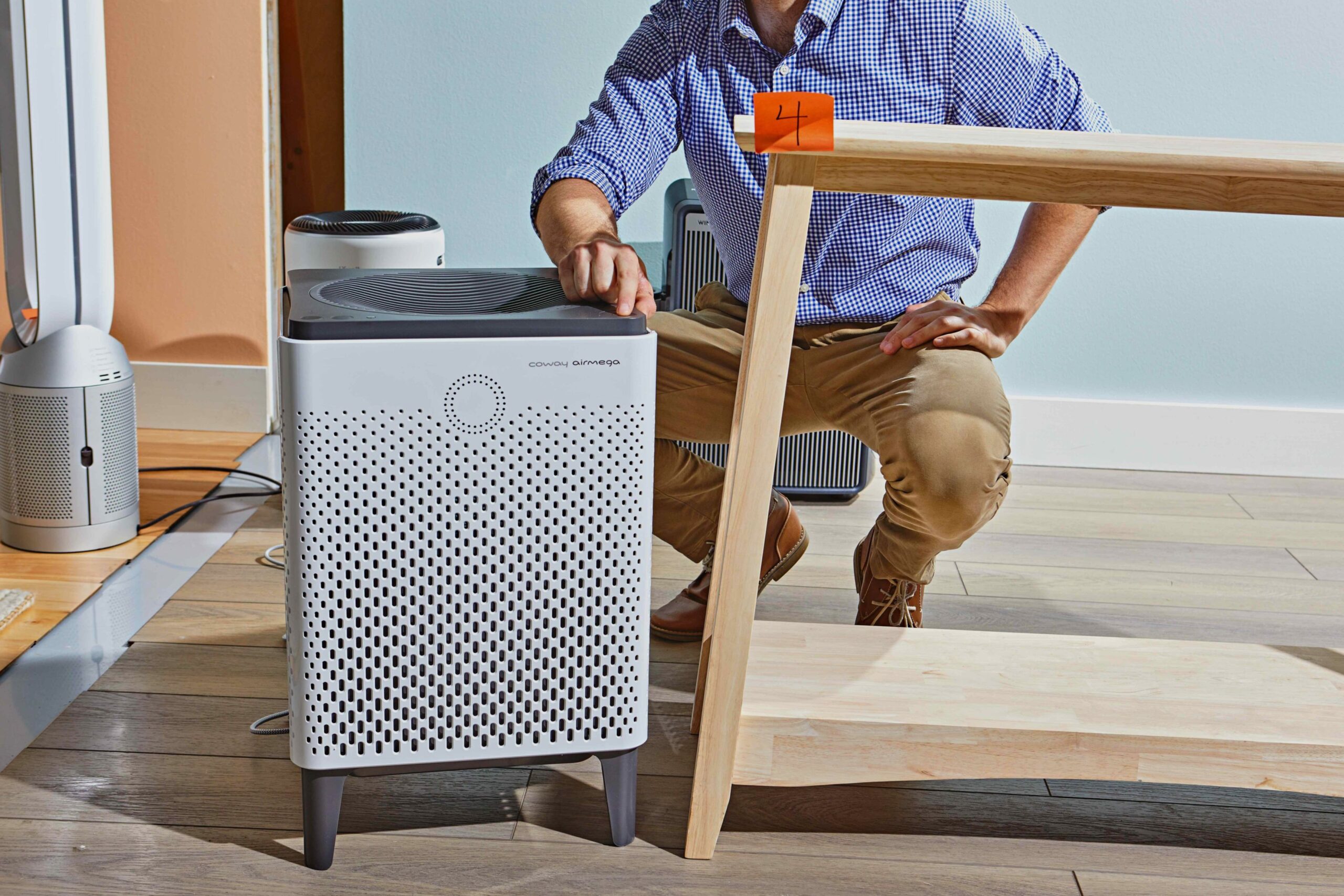
| Coway Airmega 400S | Large Open Spaces | 1,560 sq ft | 328 CFM (Smoke/Dust), 400 CFM (Pollen) |
| Rabbit Air A3 | Design & Multi-Stage Filtration | 1,070 sq ft | 57 CFM (Smoke), 262 CFM (Dust), 315 CFM (Pollen) |
| Blueair Mini Restful | Bedrooms & Sleep | 140–607 sq ft | 93 CFM |
| AirThings Renew | Data-Driven Monitoring | 525 sq ft | 140 CFM |
| The Windmill 3-in-1 | Maximum Coverage | 1,950 sq ft | 286 CFM (Smoke), 284 CFM (Dust), 343 CFM (Pollen) |
| Blueair ComfortPure | Mid-Size Rooms | 840 sq ft | 113 CFM |
| Clorox Smart Tabletop | Small Spaces/Desks | 80 sq ft | 53 CFM (Smoke), 59 CFM (Dust) |
Note on CADR: Higher numbers indicate faster cleaning. If you suffer from severe allergies, prioritize high pollen CADR. If you cook often or live in areas with smoke risks, prioritize smoke CADR.
Decoding Noise: It’s Not Just About Volume
One of the biggest misconceptions about air purifiers is that they must be loud to be effective. In reality, noise levels are highly dependent on the operating mode.
- Sleep/Night Mode: This is crucial for bedroom units. The best models drop to near-silent levels (around 23 decibels) while maintaining enough airflow to keep air circulating. The Blueair Mini Restful and Clorox Tabletop excel here, operating quietly enough to not disrupt sleep even on normal settings.
- Boost Mode: When air quality drops sharply (e.g., from cooking smoke or cleaning products), smart purifiers may surge into “Boost Mode.” This is intentionally louder, functioning like a vacuum or box fan, to rapidly clear the air. While disruptive, it is a temporary trade-off for immediate relief.
- Automatic Mode: Most smart purifiers use built-in sensors to adjust fan speed automatically. In a clean room, they whisper. When pollutants are detected, they ramp up. The key is finding a model where the transition between quiet and active modes is smooth, not jarring.
Understanding Filters: Beyond Marketing Hype
Manufacturers often use confusing terminology like “HEPA-like” or “True HEPA.” Understanding the difference is vital for health-conscious buyers.
- True HEPA: These filters are tested to remove 99.97% of airborne particles as small as 0.3 microns, including dust, pollen, and mold. If you have allergies or asthma, this is non-negotiable.
- Activated Carbon: Essential for removing odors, gases, and chemicals. As noted by Dr. Jeffrey Siegel, a civil engineering professor at the University of Toronto, carbon filters do the heavy lifting when it comes to eliminating cooking smells, pet odors, and volatile organic compounds (VOCs).
- Pre-Filters: These catch larger debris like hair and lint, extending the life of the more expensive HEPA and carbon filters.
Pro Tip: Look for models with filter monitoring in their companion apps. This tells you exactly when to replace filters based on actual usage, rather than a guess. Many brands also offer subscription services for automatic delivery, ensuring you never forget maintenance.
The “Smart” Advantage: Control and Convenience
The primary benefit of a smart air purifier over a standard one is remote control and data insight. While you can operate most of these devices via physical buttons, the app unlocks their full potential.
- Voice Integration: Most top picks work with Amazon Alexa and Google Assistant. You can ask your voice assistant to check air quality, change modes, or turn the unit on/off. However, note that voice commands are often limited to basic functions; complex scheduling or historical data review requires the app.
- Historical Data & Alerts: Apps provide graphs of air quality over time, helping you identify patterns (e.g., “Is my air quality worse every Tuesday morning?”). Some apps also send allergen alerts or maintenance reminders.
- Automation: You can schedule the purifier to run on high before you wake up or while you’re at work, ensuring your home is fresh when you return.
Energy Efficiency: A Hidden Cost
Air purifiers run 24/7, which can impact your electricity bill. According to the U.S. Environmental Protection Agency (EPA), a typical air purifier can consume up to 450 kilowatt-hours per year —more than some refrigerators.
To mitigate this:
* Look for Energy Star Certification: These models are at least 25% more energy-efficient than standard units.
* Potential Savings: The EPA estimates that Energy Star-rated models can save up to $18 per year on utility bills.
* Energy-Saving Modes: Ensure the model has a dedicated eco or energy-saving mode that reduces power consumption when air quality is good.
Frequently Asked Questions
Do I really need a “smart” air purifier?
You do not need it, but it adds significant convenience. If you are already invested in a smart home ecosystem (Alexa, Google Home, Apple HomeKit), a smart purifier integrates seamlessly. It allows for hands-free control, automated schedules, and detailed air quality tracking that manual units cannot provide.
Can I make a regular air purifier smart?
Yes, but with limitations. You can use a smart plug to control the power on/off cycle remotely or set schedules. However, you will lose access to advanced features like air quality sensing, automatic fan speed adjustment, and filter life monitoring. Smart plugs are a budget-friendly upgrade, but they don’t replace the intelligence of a dedicated smart device.
Conclusion
The best air purifier for you depends on your specific needs: coverage area for large spaces, quiet operation for bedrooms, and HEPA filtration for allergies. Smart features add a layer of convenience and insight that transforms a simple appliance into a proactive health tool. By prioritizing Energy Star ratings and True HEPA filters, you ensure that your investment not only cleans the air but does so efficiently and effectively.