Wasps, while playing a role in pollination, can be a nuisance around homes and yards due to their aggressive behavior and painful stings. This guide provides actionable steps to identify, eliminate, and prevent wasp infestations effectively.
Зміст
Understanding Wasp Biology and Behavior
Wasps belong to the Vespidae family, categorized as either solitary or social. Social wasps, the ones most commonly encountered near human dwellings, live in colonies to build nests, raise young, and defend their territory. Solitary wasps have short lifecycles, with colonies dying off each winter, and new queens restarting the cycle in spring.
Common wasp species include:
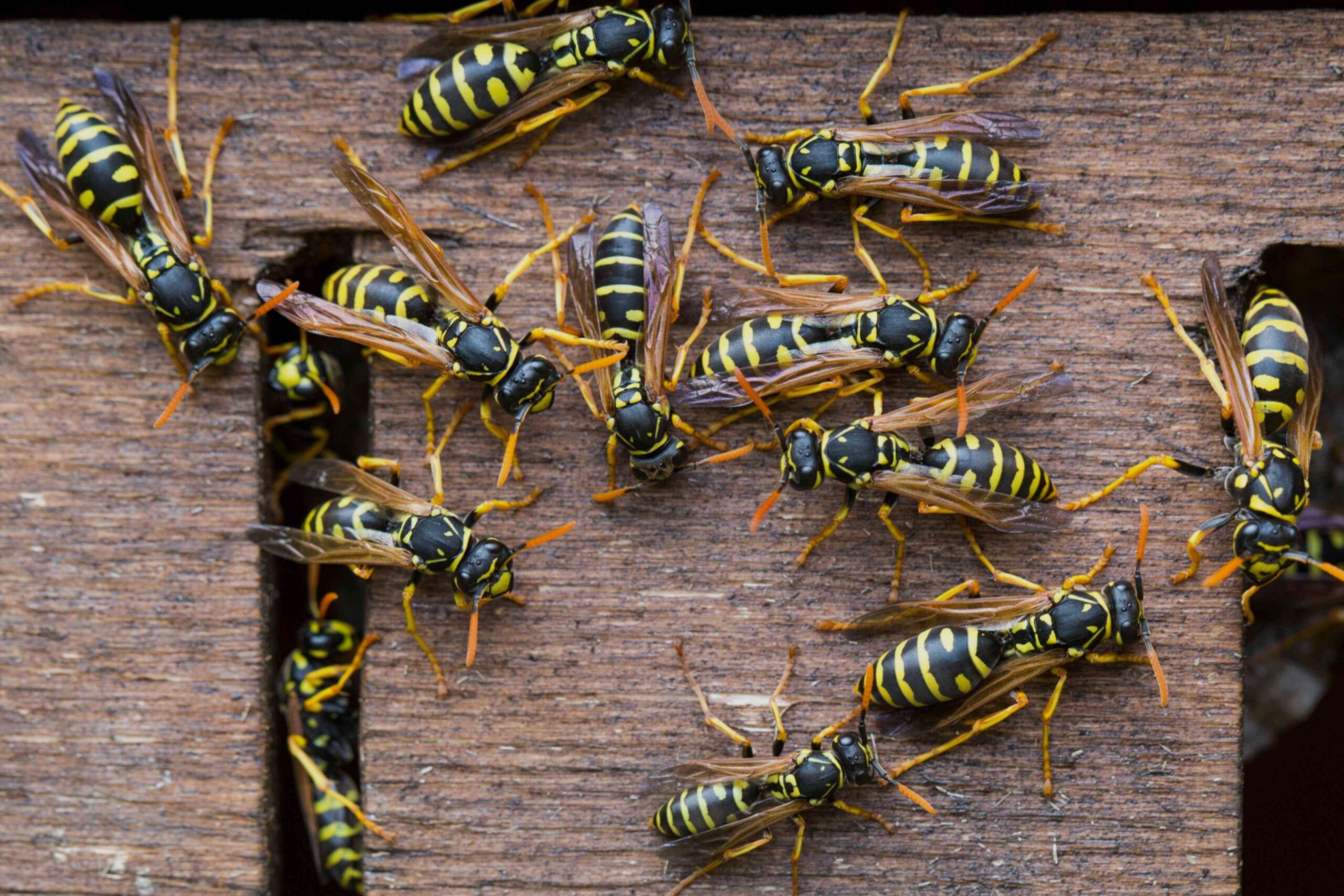
- Yellow Jackets: Aggressive predators with distinct black and yellow bands, often nesting underground. They are most active in late summer and fall.
- Paper Wasps: Brown with yellow markings, building open-combed nests under eaves, in mailboxes, or on plants.
- Mud Daubers: Dark wasps that construct mud nests in sheltered areas. Relatively non-aggressive unless disturbed.
- Bald-faced Hornets: Black with white markings, building large, gray paper nests in trees or on buildings. Highly aggressive when provoked.
Identifying a Wasp Infestation
Early detection is key. Look for these signs:
- Buzzing Sounds: A consistent humming or buzzing near potential nesting sites (ground, eaves, etc.).
- Large Numbers of Wasps: Swarming behavior indicates a nearby nest.
- Chewed Wood: Wasps gather wood pulp for nest construction, leaving visible damage.
- Visible Nests: Obvious nests confirm an infestation.
Effective Wasp Elimination Methods
Several methods can eliminate wasps and their nests:
- Commercial Wasp Spray: Insecticide sprays deliver a fast knockdown from up to 20 feet. Apply at night when wasps are less active, but exercise caution: the spray will cause wasps to drop immediately. Repeat treatment if needed and remove inactive nests carefully.
- Wasp Traps: Commercial or DIY traps lure wasps with sweet scents (fruit juice, vinegar) and trap them using dish soap, which coats their wings and prevents escape.
- DIY Wasp Spray: A mixture of dish soap and water can suffocate small paper wasp nests. Shake well and saturate the nest for immediate results.
- Essential Oils: Peppermint, clove, geranium, and lemongrass repel wasps. Combine a few drops with dish soap and water in a spray bottle for preventative use on nests or high-traffic areas.
Preventing Future Infestations
Eliminating food sources and minimizing attraction are crucial:
- Cleanliness: Remove spilled drinks, food crumbs, and unharvested fruit promptly.
- Trash Management: Seal trash cans and recycling bins tightly.
- Lighting Control: Reduce nighttime porch lights to prevent attraction.
- Color Choice: Use muted colors for outdoor furnishings to minimize visual attraction.
- Repellent Plants: Consider planting spearmint, thyme, eucalyptus, lemongrass, marigolds, geraniums, pennyroyals, or citronella grass.
Wasps vs. Hornets: What’s the Difference?
Wasps and hornets belong to the same family but differ in size and color. Wasps are typically smaller with black and yellow markings, while hornets are larger with black and white. Elimination techniques are the same for both.
When to Call a Professional
For large infestations, hard-to-reach nests, or if you have an allergy to wasp stings, it’s best to consult a professional exterminator. Safety is paramount, especially when dealing with aggressive hornets or nests requiring ladders.
Effective wasp control requires understanding their behavior, taking swift action, and maintaining preventative measures. By combining elimination methods with long-term prevention, you can minimize wasp presence around your home and enjoy outdoor spaces without fear of stings.