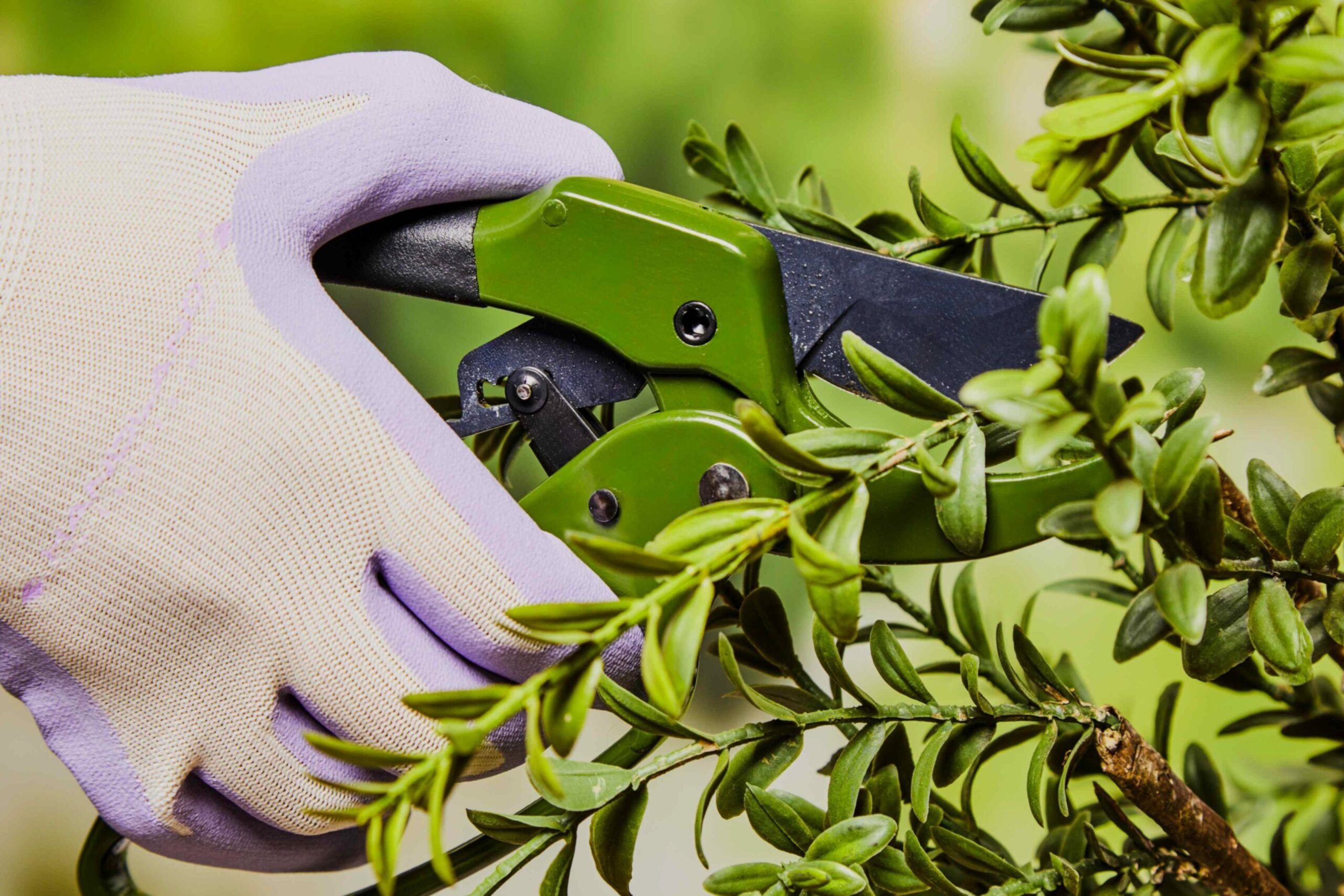
Many gardeners wonder when the best time to prune is. The late winter to early spring period is ideal for most deciduous trees and shrubs, though specific timing depends on the plant type and your local climate. Pruning during dormancy minimizes stress on the plant, leading to better growth and overall health.
Зміст
Why Winter Pruning Works
When plants are dormant, their structure is visible, making it easier to identify and remove dead, damaged, or diseased branches. Pruning now avoids hindering spring growth : cutting during active growth forces the plant to divert energy into healing instead of flowering or fruiting.
Winter pruning also promotes vigorous new growth by directing stored energy into fresh branching. This results in more blooms on ornamentals and stronger, better-shaped trees. Improved air circulation and sunlight exposure further reduce pest and disease risks, enhancing plant health. Cuts heal faster as temperatures rise, with minimal risk of damage from cold or wet weather.
When to Prune: Timing is Key
Prune between January and March in most climates, but the sweet spot is a few weeks before bud break : when buds swell but haven’t sprouted yet. Pruning too early stimulates growth vulnerable to winter damage, while waiting too long reduces healing efficiency.
The goal is to prepare plants for strong spring growth, so focus on removing dead, diseased, or dangerous branches first. For overgrown plants, follow the “one-third rule” and tackle rejuvenation over several seasons.
What to Prune Now: Plant-Specific Guidance
Here’s a breakdown of which plants benefit from winter pruning:
- Hydrangeas: Prune smooth and panicle types now; wait until after flowering for bigleaf and oakleaf varieties.
- Roses: Cut stems by up to one-third, removing remaining leaves.
- Clematis: Prune summer/fall bloomers now; spring bloomers after flowering.
- Wisteria: Thin crowded vines, cutting shoots back to 2–3 buds.
- Ninebark: Remove old canes and shape branches.
- Fruit Trees: Apple, pear, fig, citrus, and pawpaw can be pruned now; cherries can wait for early summer.
- Shade Trees: Oak, sweetgum, hornbeam, black gum, ash, hickory, and gingko are good candidates. Delay pruning early flowering trees (dogwood, azalea, redbud, lilac).
- Evergreens: Boxwood, yew, holly, juniper, and arborvitae can be pruned; wait until late spring/early summer for other evergreens.
Final Thoughts
Winter pruning is a simple but effective way to set your plants up for success. By removing deadwood and shaping branches while the plant is dormant, you encourage robust growth, better flowering, and improved overall health. Following these guidelines ensures a more beautiful and productive garden season.