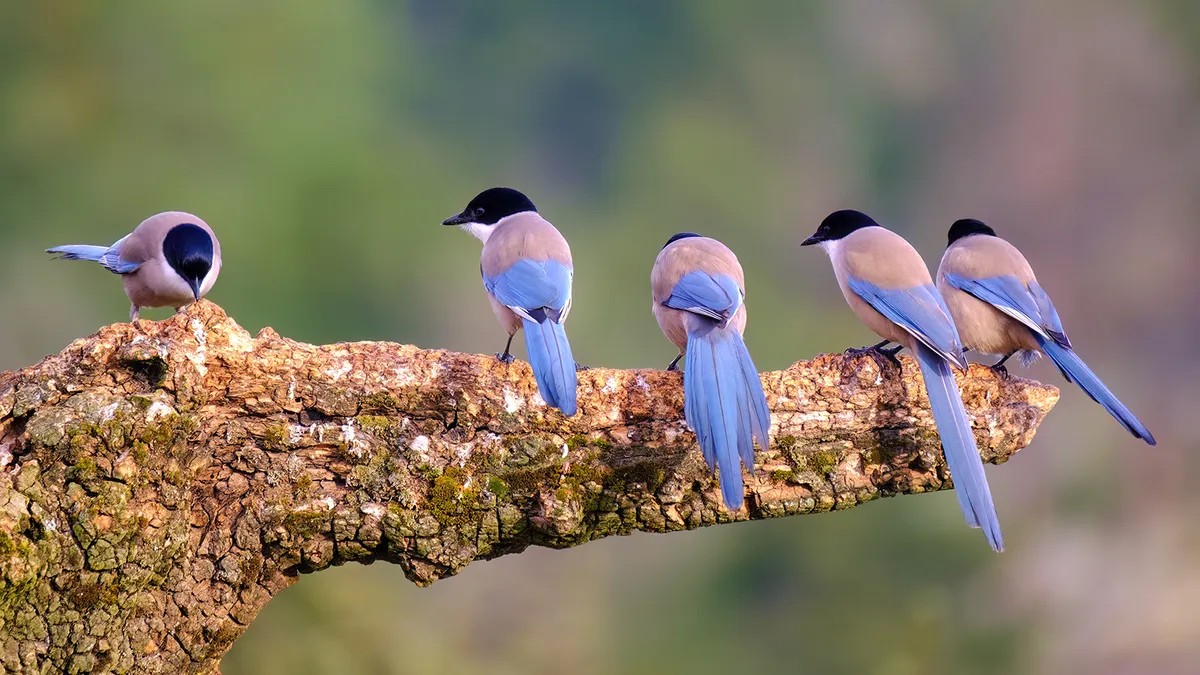
Collective nouns for animals are a fascinating quirk of language – and magpies have one of the most memorable: a mischief. This isn’t just a random label; it reflects centuries of how humans have observed, interpreted, and even mythologized the natural world.
Зміст
Why Do Animals Have These Unusual Group Names?
The tradition of assigning unique names to animal groups dates back centuries. Unlike simply saying “a group of birds,” terms like “a parliament of owls” or “a murder of crows” add color and often a hint of the animal’s perceived character. These names aren’t scientific; they’re cultural. They evolved organically through folklore, observation, and a touch of poetic license.
The Case of the Magpies
Magpies, specifically Eurasian magpies, are known for their bold, noisy, and intelligent behavior. The term “mischief” fits because these birds often appear to be up to no good, constantly moving and chattering as if plotting something. This name isn’t just descriptive – it’s evocative.
Beyond Magpies: A World of Collective Nouns
Magpies aren’t alone in having a vivid group name. Many other birds have equally quirky designations:
- Goldfinches: A charm – referencing their melodic song.
- Owls: A parliament – playing on their association with wisdom.
- Crows: A murder – born from historical superstitions.
- Flamingos: A flamboyance – highlighting their striking appearance.
- Ravens: An unkindness – a darker reflection of their often ominous presence.
The Science Behind the Names
Birds are an easy subject for these collective nouns because they often gather in large, visible groups. Their behaviors – flocking, migrating, nesting – are readily observable, making it natural to create specific terms for them. This isn’t just about naming; it’s about how humans categorize and understand the world around them.
Why Do These Names Persist?
Despite being largely poetic rather than practical, collective nouns endure because they add richness and character to language. Whether in writing, conversation, or simply observing nature, terms like “a mischief of magpies” make the scene more vivid and memorable.
Ultimately, these names aren’t just words; they’re a testament to humanity’s long-standing fascination with the animal kingdom and our creative attempts to capture its essence in language.