Many people struggle with unwanted sounds in their living spaces. Whether it’s noisy neighbors, street traffic, or just thin walls, noise pollution can disrupt peace and productivity. Fortunately, effective sound dampening doesn’t require expensive renovations. A combination of smart material choices and strategic placement can significantly reduce disturbances, creating a calmer home environment.
Зміст
The Foundation: Floor Dampening
The floor is a primary pathway for sound transmission. A thick rug pad is a cost-effective solution. Felt pads absorb sound better than foam, particularly speech and music, but quality memory foam provides comfort and some noise reduction. For added effect, cut rug pad scraps to fit under furniture like sofas and beds – an inconspicuous layer that traps sound waves.
Rugs with tight weaves are even more effective. Look for handwoven rugs with a high knot density (KPSI), ideally 100+ knots per square inch. Vintage Turkish, Persian, Moroccan, or Tibetan rugs are often affordable options found on Etsy or eBay. Pile height matters less; sound reduction averages around 2% regardless of length.
Window Treatments: Blocking Sound and Light
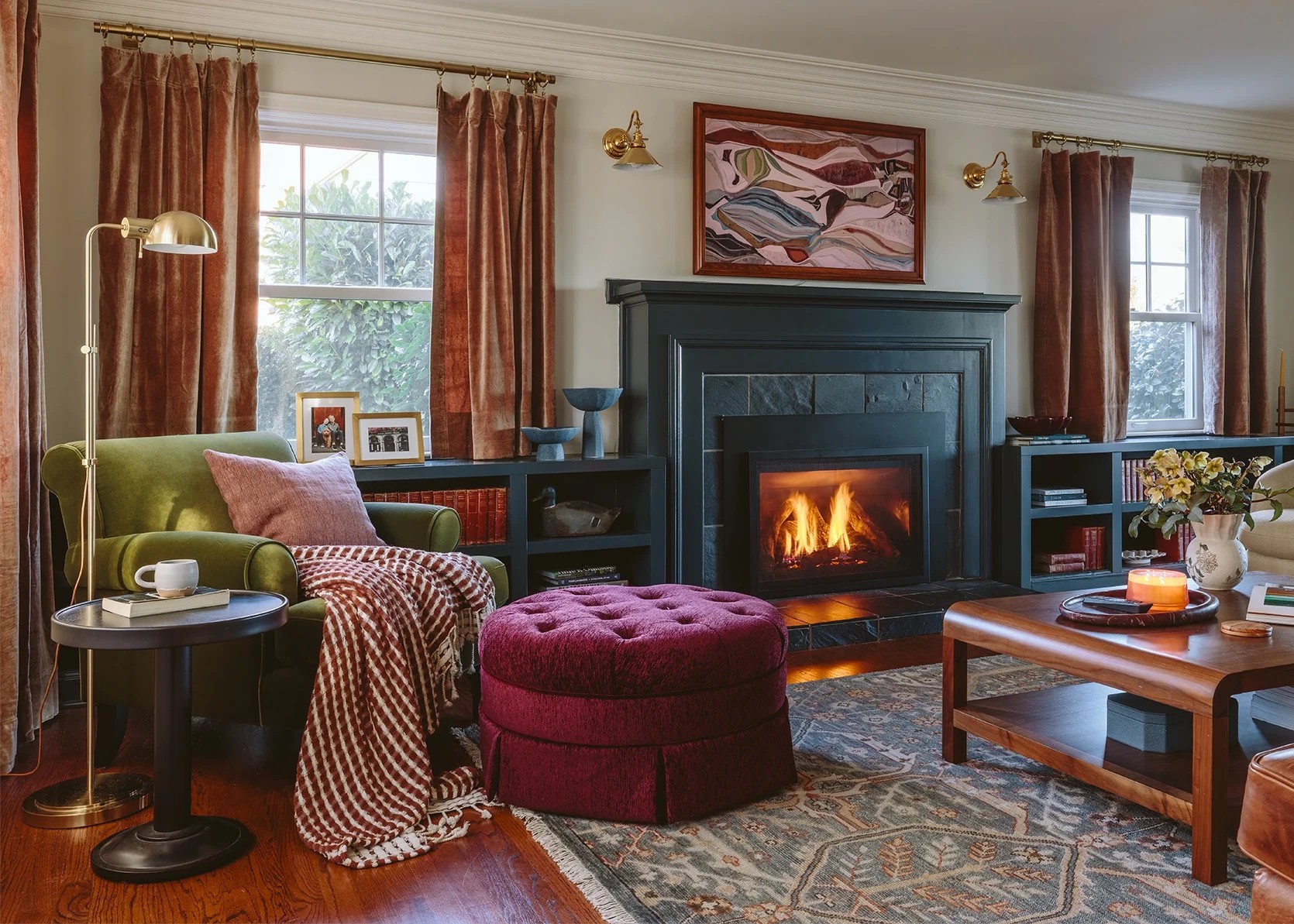
Heavy curtains aren’t just aesthetic; they block sound effectively. Fabrics weighing 12 to 18 ounces per yard are ideal. Not all velvet is created equal, so inquire about weight when purchasing.
Proper installation is crucial. Curtains should be twice the width of the window to achieve 100% fullness. Rods extending 3 to 4 inches off the wall further improve sound dampening and block light leakage. French-return style rods extend 4.4 inches, maximizing effectiveness.
Furniture as Sound Barriers
Tall bookshelves act as effective sound barriers. Denser woods like oak, birch, and walnut block sound, while softer woods like pine and MDF absorb it. Place hardwood shelving against shared walls to block noise, or softer wood for ambient sounds.
Wall décor also helps. Hanging art, tapestries, or even acoustic wood panels creates a barrier. Panels like those from Amazon or Wayfair are both functional and stylish.
Sealing Gaps and Adding Texture
Even small gaps in doors and windows can leak significant sound. A 1% gap can leak 30% of sound; 5% leaks 90%. Use draft stoppers under doors and acoustical caulk to fill window gaps.
Adding texture to walls helps absorb sound. Plants with thick leaves or rough bark (ficus, rubber trees) dampen noise. Indoor green walls (Woolly Pockets) or preserved moss panels offer aesthetic and acoustic benefits.
Long-Term Investments: Permanent Solutions
For maximum impact, consider permanent upgrades. Indow Inserts are custom-made to fit windows, blocking sound, heat, and drafts. Replacing hollow doors with solid-core options drastically reduces noise transmission. Simpson doors are a high-quality choice, but salvage shops offer affordable alternatives.
The Power of Noise: White and Brown
White noise masks all frequencies equally. It’s effective against conversations and street noise. Brown noise focuses on low, rumbling frequencies, ideal for snoring or idling cars. Experiment with noise colors to find what works best for you.
Maximalism vs. Minimalism
Paradoxically, maximalist décor dampens sound better than minimalism. Packed rooms with furniture, rugs, and wall hangings absorb noise more effectively. A cluttered space may be more peaceful than a sparsely decorated one.
Conclusion
Reducing noise pollution at home doesn’t require massive overhauls. Strategic material choices, proper installation, and even embracing a maximalist aesthetic can create a quieter, more comfortable living environment. Combining these techniques can yield significant results, improving peace and productivity without breaking the bank.