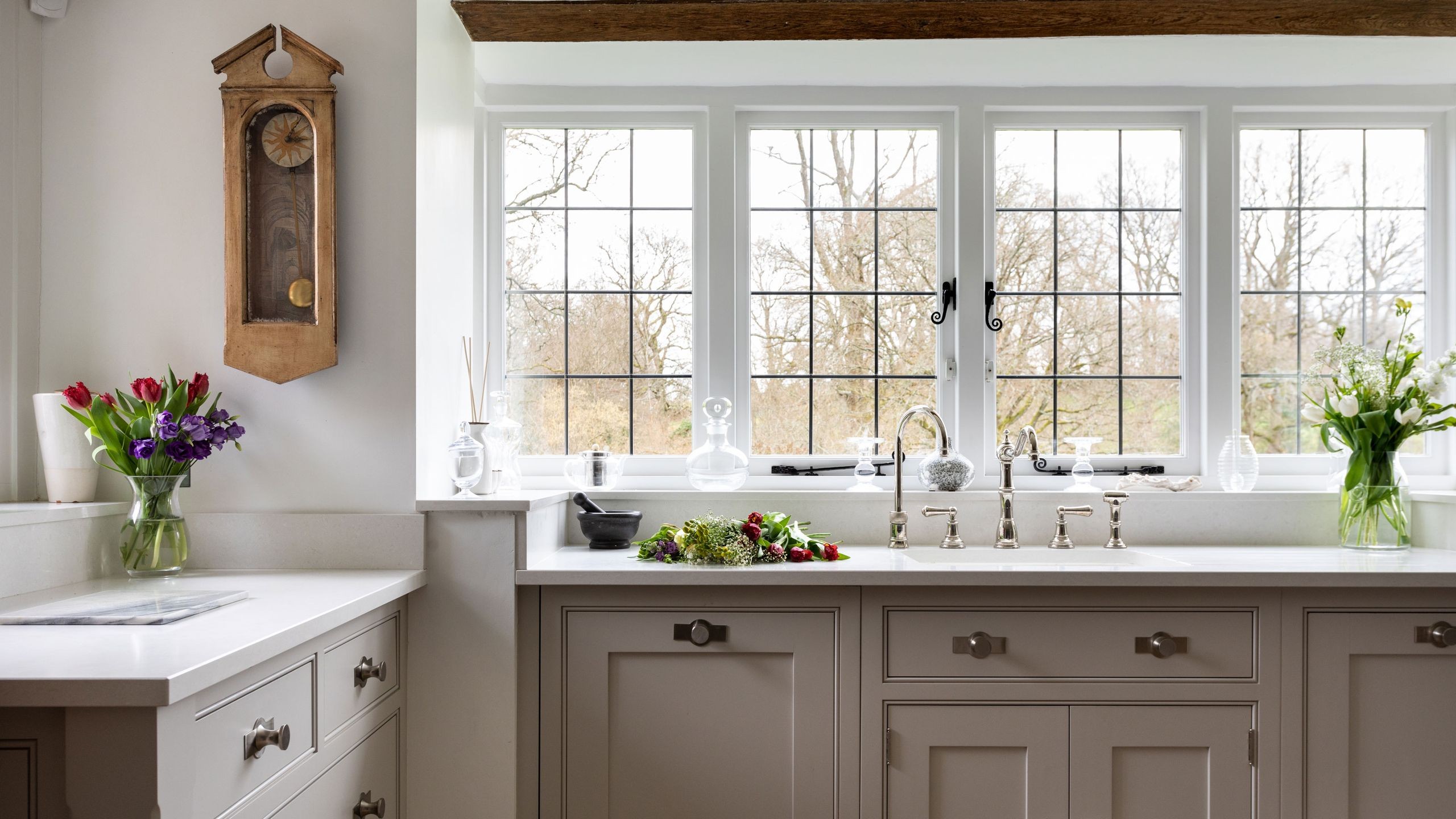
Condensation on windows is a common issue for UK homeowners, especially in older properties. After testing three methods – a squeegee and cloth, bicarbonate of soda, and a window vacuum – the results were clear: a window vacuum is the only effective solution for quick, mess-free condensation removal.
The Problem with Condensation
Excess moisture indoors leads to condensation, which can damage windows over time and contribute to mould growth. While wiping windows is necessary, the traditional methods are often inefficient and leave streaks. The goal was to find a faster, cleaner way to eliminate condensation without hassle.
Testing the Methods
1. Squeegee and Cloth: This method worked but was messy, with water pooling on the sills and seals, increasing the risk of mould. Absorbent cloths helped, but droplets still escaped, leaving uneven patches. The result was condensation-free windows but with noticeable streaks.
2. Bicarbonate of Soda: While absorbent, bicarbonate of soda is slow. It reduced condensation overnight, but some wiping was still required. Experts note that cat litter or rock salt can act similarly as a cost-effective dehumidifier. However, this method is passive and less immediate than others.
3. Window Vacuum: The window vacuum emerged as the clear winner. It instantly sucked up moisture without dripping, leaving windows completely dry and streak-free. A single device covered all windows in the same time it took to squeegee one. The lightweight design allowed for easy manoeuvrability, targeting wetter areas effectively.
Why a Window Vacuum Works
Window vacuums are designed for this purpose. Their wide nozzles and suction power remove moisture quickly without spreading it around. The sealed system ensures no drips, minimizing mess and mould risk. With 100 minutes of runtime, they require minimal maintenance – just emptying the tank and recharging.
In conclusion, while other methods may offer temporary relief, a window vacuum is the only practical solution for eliminating condensation efficiently and maintaining window integrity. It’s a time-saver, a cleaner alternative, and a worthwhile investment for any homeowner facing moisture issues.