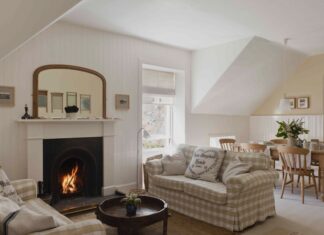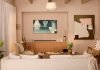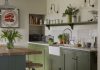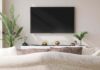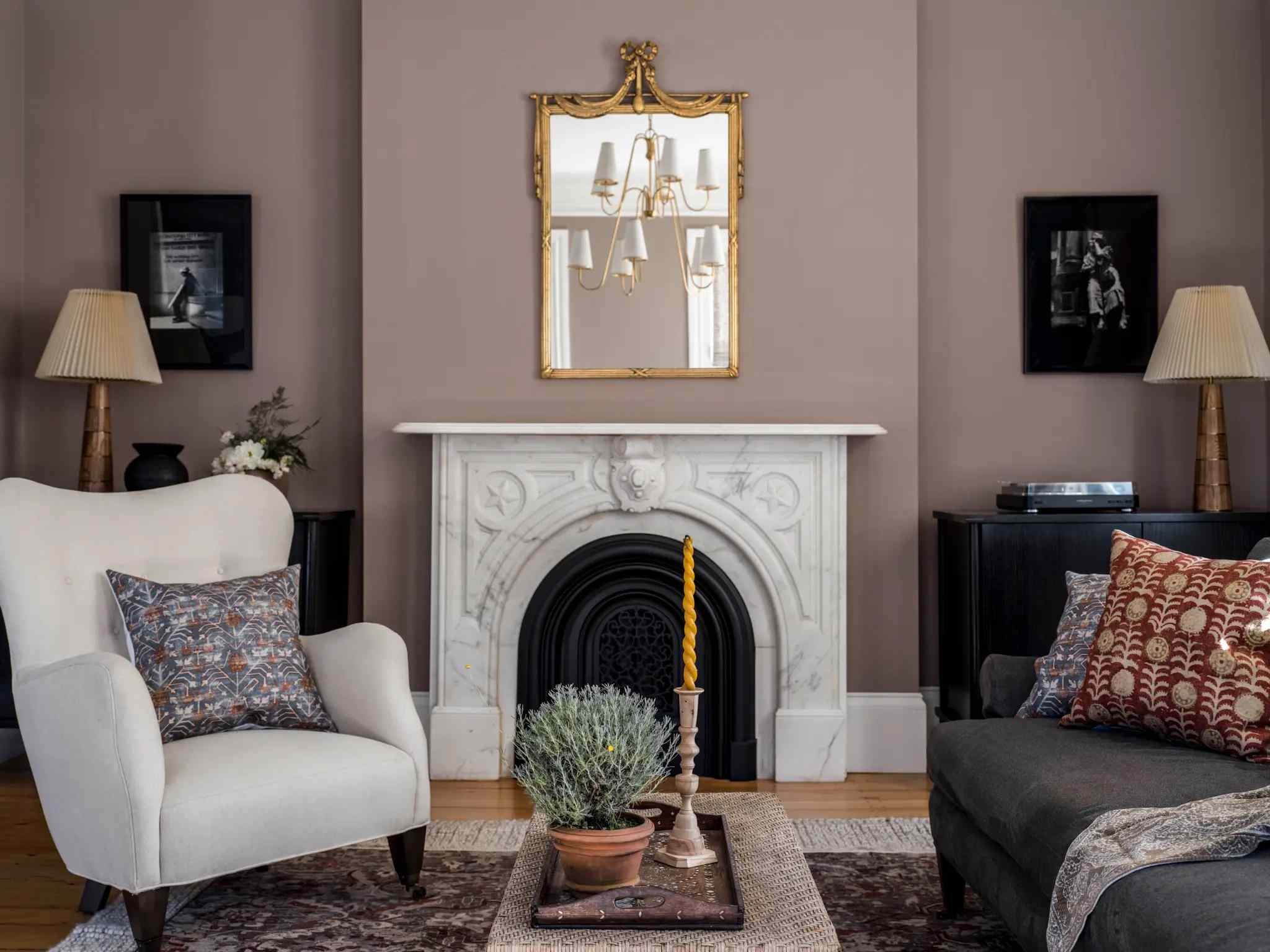
The next few years in home design will see a shift away from minimalist, showroom-style interiors toward more lived-in, layered spaces that tell a story. Designers predict that by 2026, living rooms will prioritize comfort, personality, and a nostalgic embrace of vintage aesthetics over sterile perfection. This isn’t just about trends; it’s about a deeper cultural move toward valuing authenticity and the emotional connection to our homes.
Зміст
The Rise of “Collected” Over “Curated”
For years, the dominant style has been sleek, coordinated interiors. However, interior designer Steven Graffam argues that 2026 will bring a dramatic reversal. Homeowners will increasingly favor layered, eclectic spaces where heirlooms, thrifted finds, and modern pieces coexist harmoniously. The goal isn’t to impress with a perfectly designed look but to create a warm, inviting atmosphere filled with personal meaning.
This shift reflects a broader trend away from aspirational perfection and toward celebrating individuality. People want their homes to feel like extensions of themselves, not just stages for Instagram photos.
Color Palettes: Moody Blues and Charcoal Tones
Color will also play a crucial role in this retro revival. Interior designer and futurist John Stivale anticipates a surge in dusky blues, deep teals, and charcoal grays. These shades offer a moody, dramatic depth without being overly bold, providing a timeless yet retro-inspired feel.
Why this matters : These colors evoke a sense of calm, intimacy, and sophistication. They’re a subtle nod to past eras without feeling dated, fitting seamlessly into modern homes.
Classic Silhouettes, Modern Twists
Furniture will follow suit, with designers expecting a reinterpretation of traditional silhouettes. Graffam suggests that we’ll see updated versions of classic designs like the deep-buttoned Chesterfield sofa, reimagined with cleaner lines and contemporary materials.
The emphasis will be on celebrating craftsmanship and honoring the heritage of these designs while making them relevant for today’s lifestyles. This approach avoids mere replication, instead offering a fresh take on timeless forms.
Ditching Symmetry for Cozy Comfort
Finally, layout will abandon rigid symmetry in favor of cozy corners, conversation nooks, and dedicated reading zones. Stivale believes that people increasingly value their homes as sanctuaries, prioritizing experience over aesthetics. The result is a more organic, lived-in feel where furniture placement encourages connection and relaxation rather than strict order.
As Graffam puts it, homes in 2026 will feel “like a hug instead of a sterile museum.” This means prioritizing warmth, personality, and the comfort of those who inhabit the space.
In conclusion, the future of living room design is less about showcasing perfection and more about embracing authenticity. The trends for 2026 point toward spaces that are warm, inviting, and deeply personal—a welcome shift for those seeking a home that truly feels like their own.