


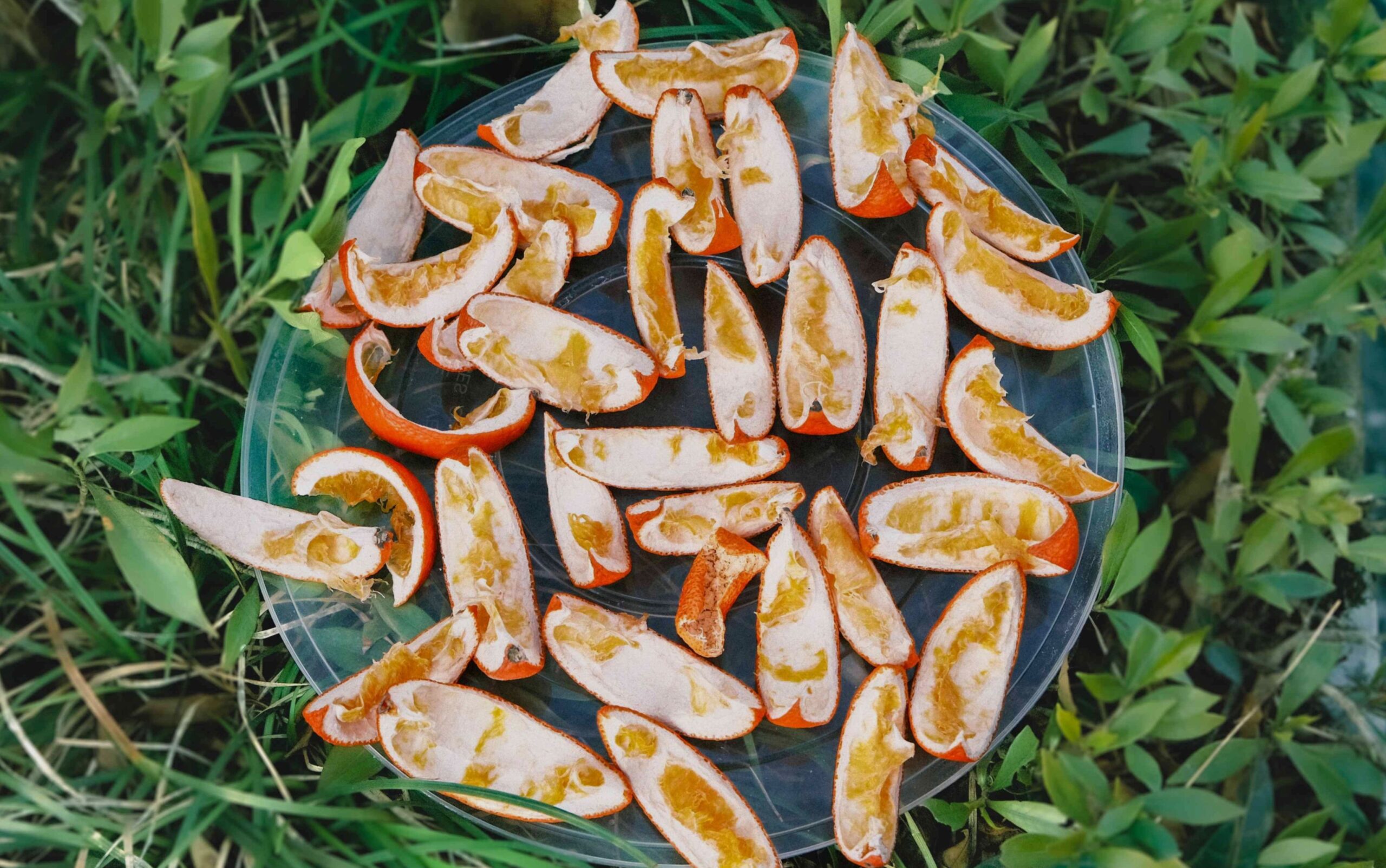
Orange peels, often discarded as kitchen waste, are increasingly recognized by gardeners as a versatile and sustainable resource for plant health. Packed with beneficial compounds, they offer a chemical-free alternative for enriching soil, deterring pests, and maintaining garden hygiene.
The Benefits of Orange Peel in Gardening
Gardeners leverage orange peels for multiple purposes: enhancing compost, repelling insects, disinfecting tools, masking odors, and even discouraging unwanted feline visitors. The appeal lies in repurposing kitchen scraps while avoiding synthetic chemicals. As Anna Ohler of Bright Lane Gardens notes, “We have an abundance of orange peels… it’s an easy way to reuse scraps and help the soil.”
5 Practical Applications for Orange Peels
- Compost Enrichment: Orange peels introduce valuable nutrients like nitrogen and potassium into compost piles. However, their high acidity requires caution. They are unsuitable for vermicomposting (worm bins) but perfectly acceptable in traditional compost systems when balanced with other organic matter.
- Natural Insect Repellent: Citrus oils act as a natural fumigant, disrupting insect nervous systems. Gardeners scatter dried peels around plants to deter aphids, ants, and mosquitoes. Justine Reichman of NextGen Purpose explains: “The oils repel pests… minus synthetic chemicals.”
- Organic Disinfectant: Orange peels contain antimicrobial and antioxidant compounds (citric acids, flavonoids, limonene) that effectively clean garden tools, seed trays, compost bins, and watering cans without harsh chemicals.
- Odor Control: Fresh or dried peels can neutralize unpleasant smells in areas like manure piles or fertilizer storage. Zesting peels releases more oil for greater effectiveness.
- Cat Deterrent: While results vary, some gardeners successfully repel cats by placing orange peels around plants. The efficacy is inconsistent, as Ohler admits: “Keeping the cats away is hit or miss.”
Potential Drawbacks and Best Practices
Despite their advantages, orange peels have limitations. They may attract pests like slugs or raccoons, dry out quickly, and are toxic to worm composts. To maximize benefits, chop peels finely, use them in moderation, and replace them frequently.
Experiment with small quantities first to assess effects on your specific garden ecosystem.
Orange peels represent a simple yet powerful way to integrate sustainable practices into gardening, transforming waste into a valuable tool for plant health and pest management.


