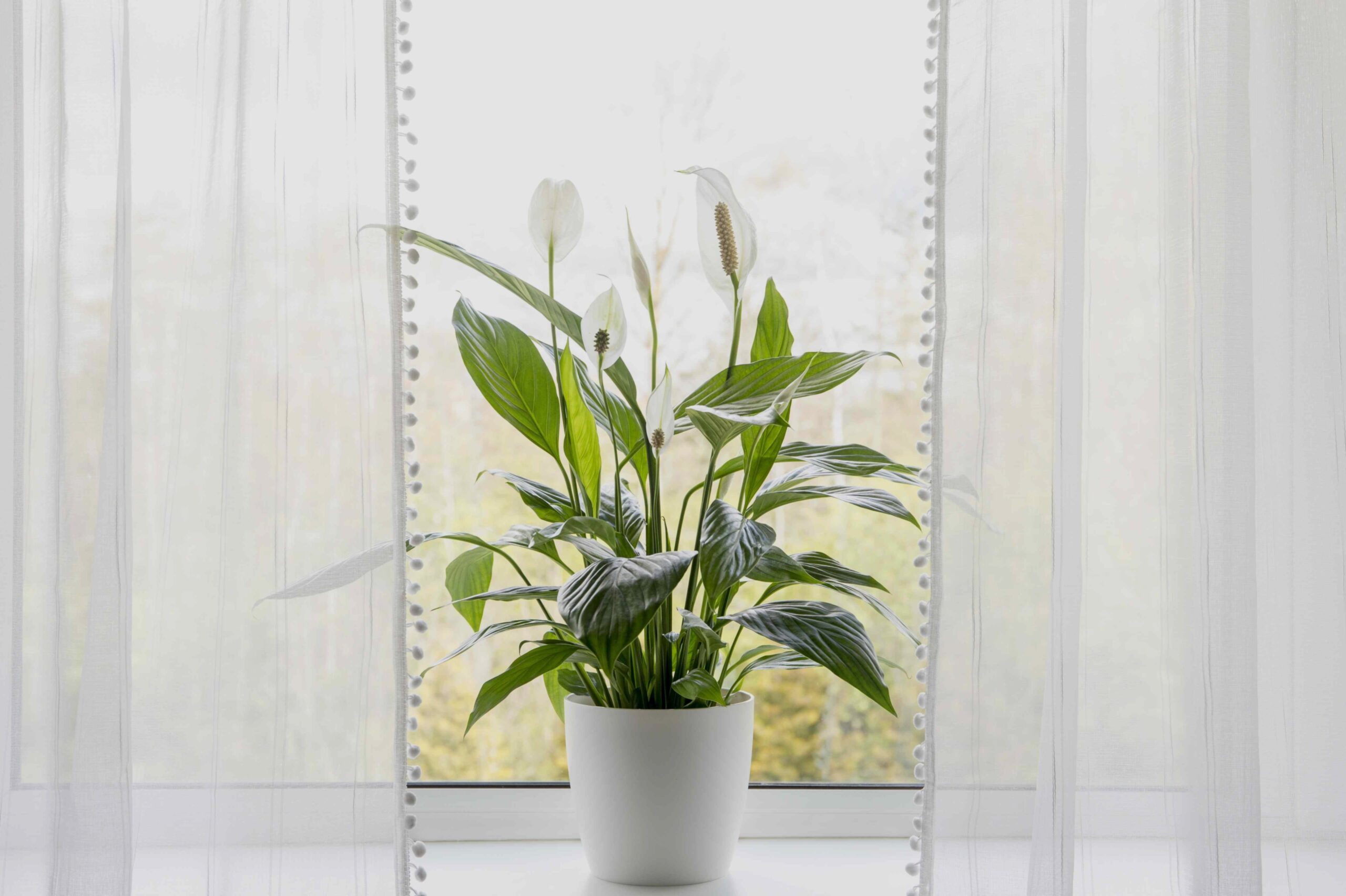
Peace lilies are popular houseplants known for their air-purifying qualities and elegant foliage. However, even these relatively low-maintenance plants can sometimes refuse to bloom. Here’s a breakdown of why your mature peace lily might not be flowering, and how to encourage bigger, more frequent blooms.
Understanding Peace Lily Bloom Cycles
Healthy peace lilies typically bloom twice a year: once in mid-spring (around April) and again in late summer or early autumn. Blooming relies on maturity; plants usually start flowering reliably after 1–3 years. If yours isn’t blooming despite being mature, the issue isn’t necessarily disease, but rather unmet environmental needs.
Optimal Growing Conditions: Temperature and Humidity
Peace lilies are tropical plants that thrive in warm, humid environments. Ideal temperatures range between 65°F and 80°F (18°C–27°C), with humidity around 50%. While slight variations are tolerable, extreme fluctuations can stress the plant. Avoid placing it near heat sources (radiators, vents) or cold drafts, as both can disrupt growth. Consistent conditions are key for reliable blooming.
Four Key Steps to Encourage Blooms
Here’s how to address common issues and get your peace lily back on track:
1. Light Exposure: Bright, Indirect is Best
Peace lilies require bright, indirect light. Insufficient light leads to yellowing leaves and weak growth, hindering blooming. Direct sunlight can scorch the foliage, while too little light will prevent flowering altogether. Position your plant near a sheer curtained window or to the side of a window opening to filter direct rays.
2. Nutrient Management: Feed During Growing Season
Regular, moderate fertilization supports flowering. A balanced 20-20-20 NPK fertilizer applied 2–3 times during spring and summer is sufficient. Follow package instructions carefully, avoiding direct contact with stems or leaves to prevent burns. Consistent feeding provides the energy needed for bloom development.
3. Watering: The Goldilocks Principle
Peace lilies are sensitive to both overwatering and underwatering. Yellowing leaves indicate excessive moisture, while dry, crispy leaves signal dehydration. Water thoroughly when the top inch of soil feels dry to the touch, and adjust based on your plant’s response. Consistent moisture levels without waterlogging are crucial for health and blooms.
4. Repotting: Space for Growth
Root-bound plants become nutrient-deprived and moisture-stressed, suppressing flowering. Repot your peace lily when roots circle tightly within the pot. This provides fresh space for growth and ensures adequate access to nutrients and water. Regular repotting prevents stagnation and encourages robust blooming.
Peace lilies don’t bloom on demand, but by optimizing their environment and care, you can create conditions that maximize their natural flowering potential. Consistent attention to light, nutrients, water, and space will reward you with vibrant blooms and a thriving plant.