Gardeners and houseplant enthusiasts alike face a simple but crucial decision: what to grow their plants in. Whether you call them pots, planters, or containers, the choice impacts plant health and appearance. Experts emphasize that understanding the subtle differences between these vessels – particularly in size and function – can significantly improve gardening success.
Pots vs. Planters: What’s the Difference?
The primary distinction lies in scale, according to Steve Corcoran, CEO of Lawn Love. Pots are generally smaller and designed to house single plants, while planters are larger and accommodate multiple species. This difference isn’t just about aesthetics; it also influences where they’re used.
- Planters are typically more durable and weather-resistant, making them ideal for outdoor container gardens with shrubs, trees, or flower arrangements.
- Pots are often chosen for indoor houseplants.
However, the lines can blur. A very large pot used outdoors essentially serves the same purpose as a planter, so don’t overthink the terminology at the hardware store.
Nursery, Grow, and Cache Pots: Decoding the Options
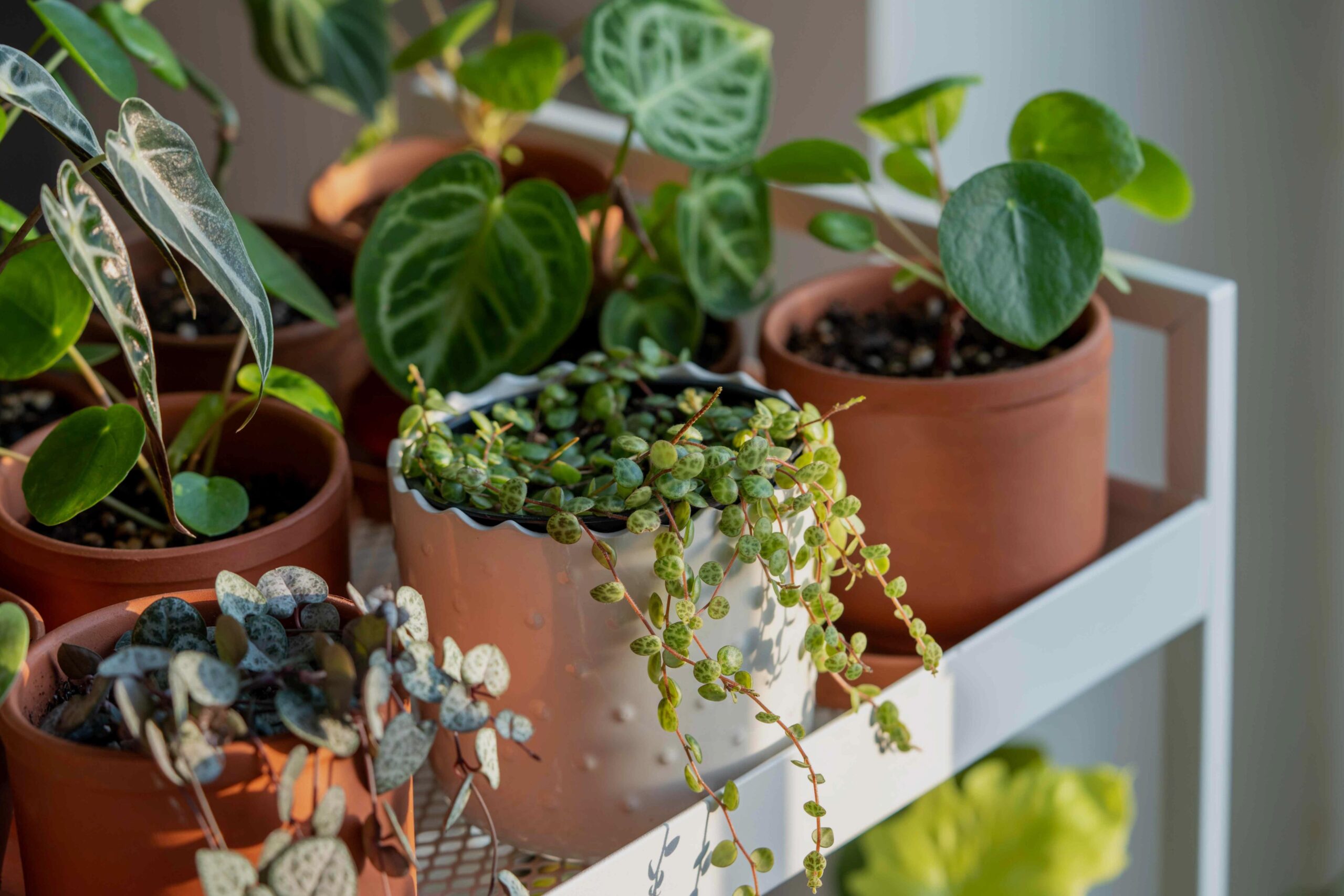
The plastic container your plant comes in from the nursery is called a nursery pot or grow pot. These are cheap, lightweight, and always have drainage holes – essential for preventing root rot. You can use them as-is if you don’t mind the utilitarian look, or…
- Cache pots offer a decorative upgrade. These are pots without drainage holes, meant to hold a nursery pot inside. This lets you change plant displays without repotting, but requires careful watering to avoid standing water. Always empty any water collected in the cache pot after watering.
- The best of both worlds is repotting directly into a decorative pot with drainage holes. This combines aesthetics with healthy plant care. Most nurseries will sell decorative pots with drip trays for easy use.
Choosing the Right Vessel for Your Plant
The key takeaway is that functionality trumps formality. Always prioritize drainage, whether using nursery pots, cache pots, or decorative containers. Material also matters:
- Plastic pots are lightweight and affordable.
- Ceramic pots add style but can be heavier and more prone to cracking in cold weather.
- Terracotta pots are porous, allowing for better airflow but drying out faster.
The most important consideration is ensuring your plant’s roots have adequate drainage and the pot’s size matches its growth needs.
Ultimately, selecting the right pot isn’t just about aesthetics; it’s about creating a thriving environment for your plants. Whether you choose a simple nursery pot or an elaborate planter, proper drainage is essential for long-term success.