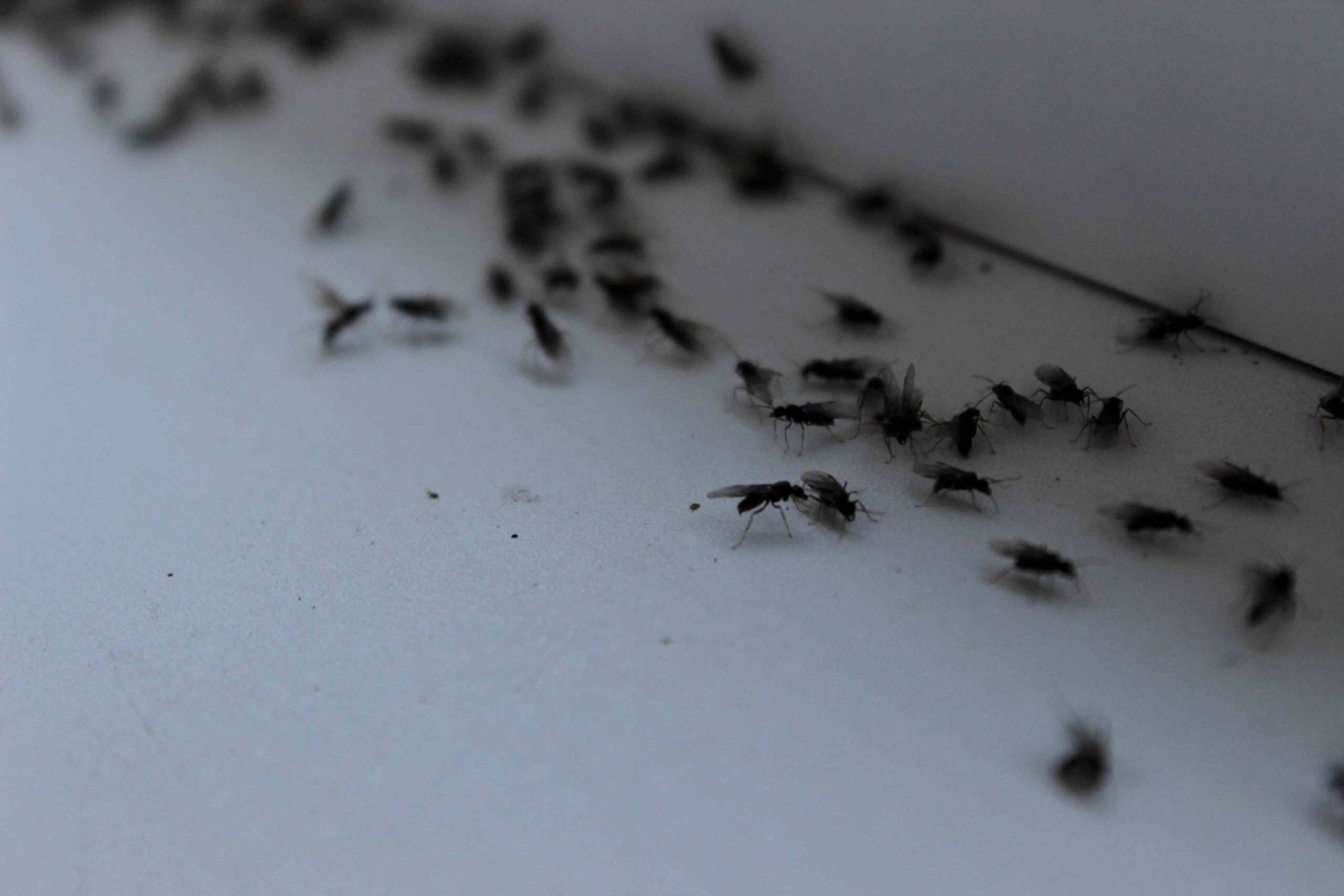
Small flies around your kitchen? They’re likely gnats, and they breed quickly. Many people struggle with these pests, especially when they take hold in pantries. The issue isn’t just annoying; gnats indicate conditions that can lead to other infestations or food spoilage.
Зміст
Why Gnats Thrive
Gnats aren’t just after rotting fruit. They’re drawn to any damp, sugary, or fermenting substance. This includes:
- Overripe produce (bananas are a prime target)
- Leaky drains
- Spilled liquids (juice, soda)
- Damp sponges and cloths
- Even fragrant soaps
The key is moisture combined with something organic they can lay eggs in.
The Overnight Gnat Trap
The most effective method is a simple DIY trap:
- Gather materials : A bowl, overripe fruit (any will work), ⅓ cup of apple cider vinegar, a few drops of dish soap (Dawn works well), and plastic wrap.
- Set the trap : Put the fruit in the bowl, pour in the vinegar and soap, and tightly cover with plastic wrap.
- Create entry points : Poke small holes in the plastic wrap. Gnats will fly in but struggle to escape due to the soap.
- Placement is key : Leave the trap open overnight in the infested area.
Post-Trap Cleanup
By morning, the bowl should contain many trapped gnats. Dispose of it outside immediately ; dumping it in an indoor trash can can attract more. Afterward, thoroughly clean the area with a solution of dish soap, water, and white vinegar to eliminate lingering attractants.
Prevention is Best
Gnats thrive on neglect. Keep these points in mind:
- Store fruits and vegetables properly. Never leave overripe produce exposed.
- Clean spills immediately.
- Ensure drains are clear and free of buildup.
- Avoid overwatering houseplants. The moist soil attracts gnats.
- Check beauty products for spills. Sweet scents draw them in.
By addressing these points, you can effectively prevent future infestations and maintain a pest-free home.
The best defense against gnats is consistent cleanliness. Ignoring small signs of infestation will quickly lead to a much larger problem.