Trees add beauty and value to any property, but some species can cause significant damage when planted near driveways. Aggressive roots, weak branches, and messy debris can all lead to cracked pavement, vehicle damage, and endless cleanup. Choosing the right tree is essential for a low-maintenance and safe driveway. Here are five types to avoid, along with better alternatives.
The Problem: Roots, Branches, and Mess
The primary risks come in three forms. First, trees with shallow, spreading root systems can lift and crack asphalt or concrete driveways over time. Second, species with brittle branches pose a direct hazard to parked cars, as falling limbs can cause dents, shattered windows, and other costly repairs. Finally, some trees are simply messy, dropping leaves, fruit, or sap that require frequent cleaning to prevent stains and blockages.
5 Trees To Avoid Planting Near Driveways
- Bradford Pear: These trees are notorious for their weak branch structure. Limbs break easily, especially during storms, making them a high-risk choice near vehicles. They also produce a foul odor when in bloom.
-
Alternative: Consider smaller magnolia cultivars like Magnolia ‘Jane,’ which offer beautiful flowers without the structural issues.
-
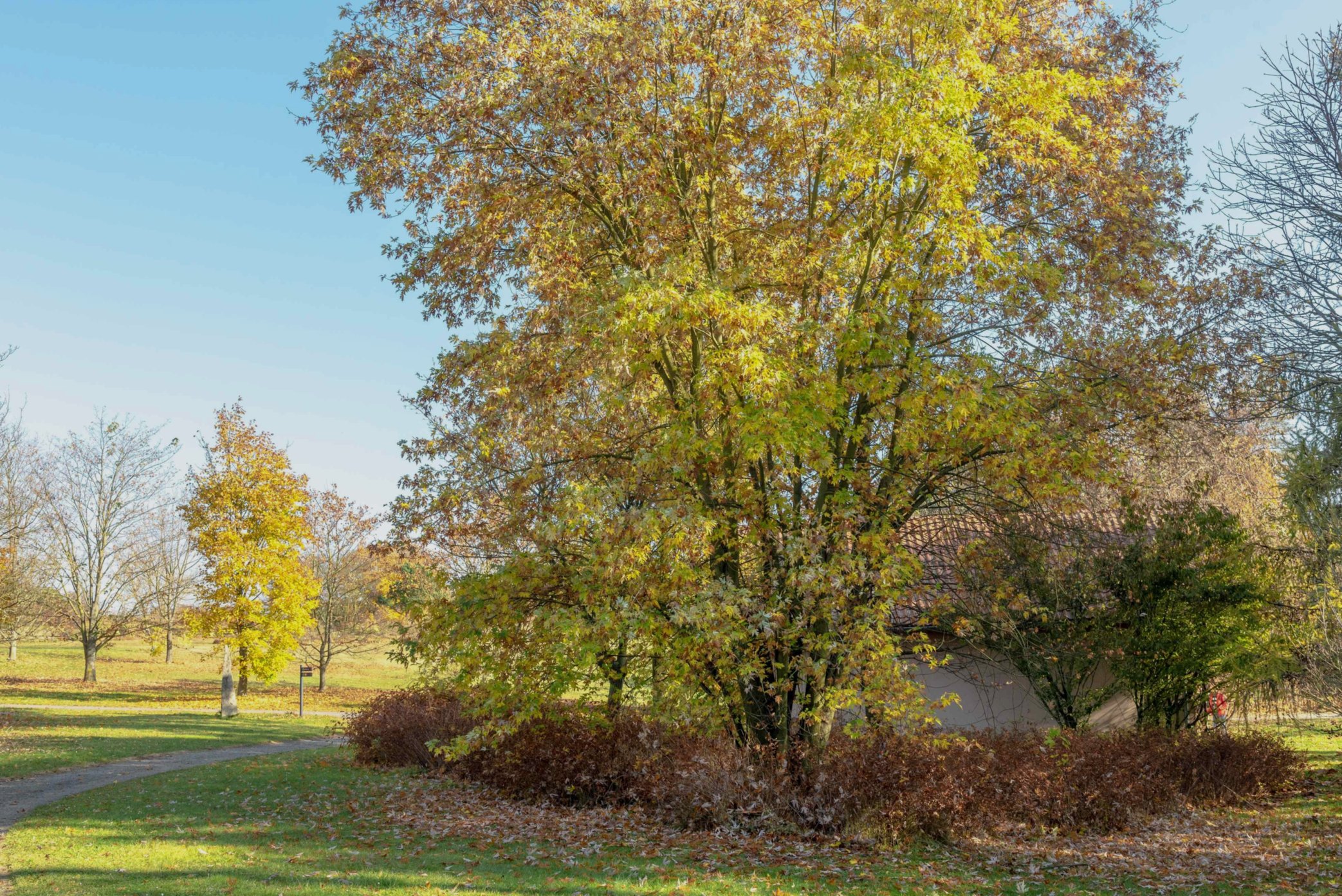
Silver Maple: Known for its fast growth and brittle wood, silver maples are prone to branch failure. The root system is also aggressive, increasing the chance of pavement damage.
-
Alternative: Red maples are a slower-growing, more stable option with similar fall color.
-
Willow Trees: Their roots are shallow and invasive, quickly seeking out water sources (including under driveways). This leads to cracking and upheaval.
-
Alternative: River birch is more restrained in its root growth while still offering a weeping habit.
-
Poplar Trees: Like willows, poplars have aggressive roots and are prone to dropping branches. They also shed a significant amount of leaf litter.
-
Alternative: Quaking aspen provides a similar visual effect with less invasive roots.
-
Fruit Trees (some varieties): While not all fruit trees are problematic, some varieties drop large, heavy fruits that can dent cars or cause stains. Rotting fruit also attracts pests.
- Alternative: Choose dwarf fruit tree varieties or those with smaller, less messy fruits.
Choosing Safer Alternatives
The key is selecting trees with deep, non-aggressive root systems and strong branch structures. Consider species like oak, maple (certain varieties), birch, or flowering dogwood. Research before planting to ensure the tree’s mature size and growth habits are suitable for the space.
By avoiding these five types of trees and selecting safer alternatives, homeowners can protect their driveways, vehicles, and peace of mind. Careful planning ensures your landscaping enhances your property rather than damaging it.