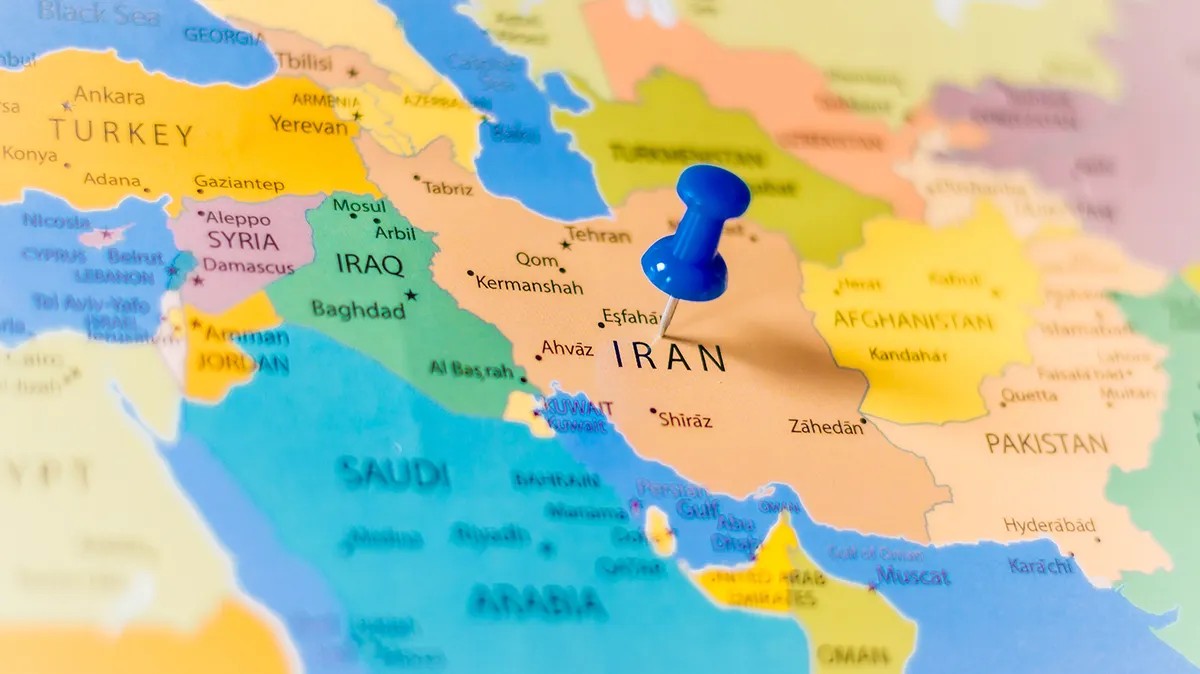
The question of who Iran aligns with is critical in understanding Middle Eastern geopolitics and global power dynamics. The Islamic Republic has forged a complex web of alliances, ranging from major state partners to armed non-state actors, designed to secure its interests and project influence. This network operates on multiple tiers: global state partnerships, regional governments, and the so-called “Axis of Resistance.”
Зміст
Global State Partners: Russia and China
Iran’s most significant external relationships are with Russia and China. Both nations provide crucial diplomatic, economic, and military support.
China is Iran’s largest trading partner, purchasing over 80% of Iranian oil exports despite U.S. sanctions. A 25-year cooperation agreement, signed in 2021, further deepens ties in energy, infrastructure, and other sectors. Beijing consistently opposes U.S. efforts to destabilize Iran and criticizes American policies regarding Iran’s nuclear program. This economic lifeline is vital for Tehran.
Russia also maintains strong bonds with Iran, formalized through a strategic partnership treaty in January 2025. This agreement expands cooperation across political, economic, and military spheres. Moscow has supplied military equipment, including Yak-130 training aircraft, with plans for Mi-28 attack helicopters. Both Russia and China leverage diplomatic channels at the UN Security Council to defend Iran from U.S. and Israeli criticism, although neither has signaled a willingness to intervene militarily on Iran’s behalf.
Regional Allies: The “Axis of Resistance”
Beyond state actors, Iran wields influence through an informal network of armed groups known as the “Axis of Resistance.” This coalition includes:
- Hezbollah (Lebanon): Receives approximately $700 million annually from Iran and plays a major role in Lebanese politics.
- Hamas (Gaza): Benefits from Iranian financial support, training, and weaponry.
- Popular Mobilization Forces (Iraq): Iranian-backed militias within this group threaten attacks on U.S. forces stationed in Iraq.
- Houthis (Yemen): Control significant territory and threaten retaliation against the U.S. if conflicts involving Israel and Iran escalate.
By supporting these groups, Iran projects power across the Middle East without direct military engagement on its own soil. These allies serve as a deterrent against direct strikes from Israel or the U.S.
Influence in Key Countries
Iran maintains strong influence in several countries through allied militias and political organizations. In Iraq, Iranian-backed militias operate within the Popular Mobilization Forces, posing a threat to the roughly 2,500 U.S. personnel stationed there. In Lebanon, Hezbollah, funded and armed by Tehran, dominates the political and military landscape. In Yemen, the Houthis, backed by Iran, control large parts of the country and threaten strategic waterways like the Strait of Hormuz and the Red Sea, vital for global oil supply.
Challenges and Weaknesses
Iran’s alliances have faced challenges. The Syrian civil war weakened its influence in Syria, as the Assad government lost control over territory previously used to move weapons and support Hezbollah. Recent conflicts, including the October 7 attacks and subsequent military campaigns in Gaza and Lebanon, have degraded some members of the Axis of Resistance. Despite these setbacks, groups in Iraq and Yemen remain active and maintain close ties with Tehran.
Ultimately, Iran’s alliances are a core component of its regional strategy. By balancing state partnerships with non-state actors, the Islamic Republic seeks to protect its interests, counter external pressure, and exert influence beyond its borders.