While most homeowners view a conservatory as a sun-drenched spot for morning coffee or a bright garden extension, a growing trend involves repurposing these glass-walled structures into functional living spaces—including bedrooms.
The concept offers a romantic appeal: waking up to panoramic garden views or falling asleep under a canopy of stars. However, transforming a space designed for light into a space designed for rest presents unique architectural and practical challenges. Unlike traditional rooms with insulated brick walls, conservatories are subject to extreme temperature shifts, privacy concerns, and intense light exposure.
To move from a “dreamy” concept to a functional reality, experts suggest treating the conservatory less like a sunroom and more like a permanent home extension.
Зміст
🌡️ Mastering Temperature and Air Quality
The most significant hurdle for any conservatory bedroom is thermal regulation. Because glass conducts heat differently than masonry, these rooms can become greenhouses in the summer and iceboxes in the winter.
- Prioritize Insulation: If you are building new, opt for modern glass or solid-roof systems. Older polycarbonate roofs are notoriously difficult to heat. For existing structures, upgrading to specialist glazing that reduces “solar gain” (heat from the sun) is essential.
- Control Ventilation: To prevent the buildup of moisture and mould—which can occur easily in glass-heavy rooms—proper airflow is mandatory. Experts recommend installing extractor fans and ensuring there are opening vents in both the side windows and the roof to allow hot air to escape.
🕶️ Privacy and Light Management
A bedroom requires a sense of enclosure and “cocooning” that a transparent structure naturally lacks. Without careful planning, you may find yourself feeling exposed to neighbors or being woken prematurely by the sunrise.
- Layer Your Window Coverings: Relying on a single type of blind is often insufficient. A “layered” approach—combining blackout blinds for sleep, thermal curtains for heat retention, and sheer fabrics for daytime privacy—allows you to adapt the room to the time of day.
- Create Visual Barriers: If the room is overlooked by neighbors, consider external solutions like privacy fencing or strategic garden planting to soften the view without sacrificing natural light.
🛋️ Layout and Interior Design
Designing the furniture layout in a conservatory requires a balance between enjoying the view and feeling “grounded.”
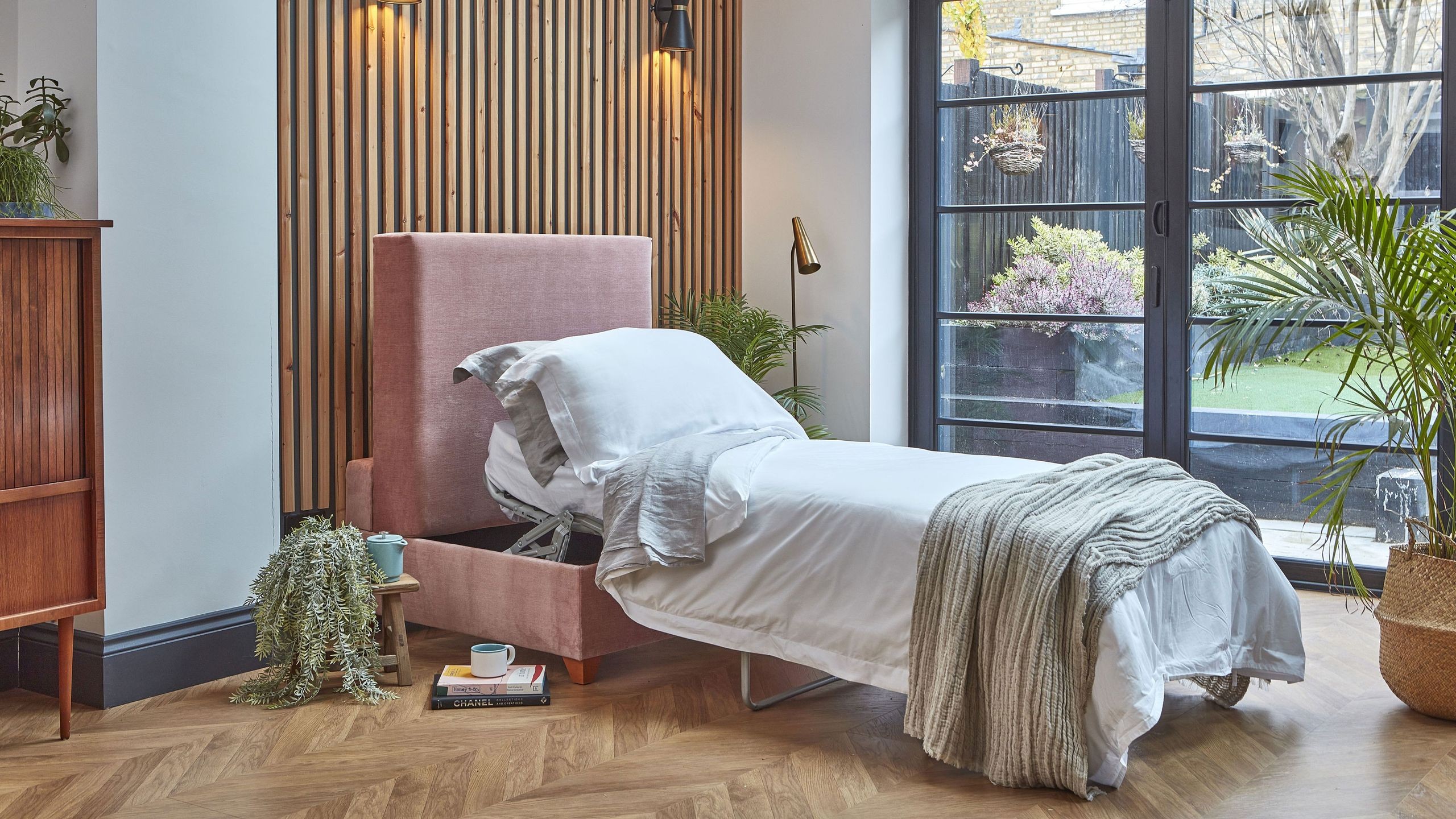
- Anchor the Bed: Avoid placing the bed directly against the most exposed glass walls. Positioning it against a solid wall or a more structured section of the roof creates a psychological sense of security and enclosure.
- Smart Storage: Because glass walls limit where you can place bulky wardrobes, built-in storage or freestanding screens can help organize the space without blocking the light.
- Lighting Layers: Avoid the mistake of relying on a single overhead light, which can create harsh reflections on the glass at night. Instead, use a “layered” scheme: wall lights to frame the room, floor lamps for soft ambient light, and subtle low-level lighting to minimize glare.
🪵 Choosing the Right Flooring
Flooring in a conservatory must be both comfortable and durable. While stone is easy to clean, it can feel cold underfoot.
- The Wood Advantage: Timber flooring is often preferred for its warmth and ability to connect the interior to the garden. However, be mindful of UV exposure, as intense sunlight can fade or change the color of certain wood species over time.
- Moisture Control: Because conservatories are prone to condensation, ensure the room is well-ventilated to protect wooden floors from humidity.
The Bottom Line: A conservatory can serve as a beautiful, tranquil bedroom, provided you prioritize insulation, layered light control,, and strategic furniture placement to counteract the inherent transparency of the structure.