


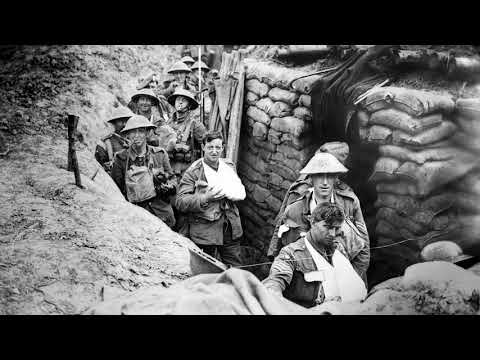
The term “world war” evokes images of global devastation, but the criteria for classifying a conflict as such are surprisingly undefined. While no international law dictates when a war earns the label, historians rely on a combination of scale, major power involvement, and total mobilization to differentiate these conflicts from others. Currently, only two conflicts officially carry the designation: World War I (1914–1918) and World War II (1939–1945).
The Hallmarks of Global Conflict
A true world war isn’t just a large conflict; it’s a systemic shift in global power dynamics. Three key elements stand out:
- Universal Great Power Involvement: World wars require direct combat between most of the era’s dominant military and economic forces. In World War I, this included empires like Britain, France, Germany, and Russia. By WWII, the scope expanded to include the Axis powers (Germany, Japan, Italy) and the Allies (Britain, the Soviet Union, the United States).
- Geographic Scope: A world war must extend beyond regional boundaries, encompassing multiple continents. The First World War saw fighting in Europe, Africa, the Middle East, and at sea. The Second World War further broadened the conflict to include North Africa, the Pacific Ocean, and vast regions of Asia.
- Total Mobilization: Unlike limited wars, a world war demands the full-scale commitment of societies. Industrial production shifts entirely to military needs, civilians are conscripted or support the war economy, and the line between military and civilian targets blurs. This is why world wars result in tens of millions of deaths – a scale of destruction unparalleled in most other conflicts.
Why the Distinction Matters
The classification isn’t merely academic. The label “world war” carries historical weight, representing catastrophic shifts in the global order. The aftermath of WWII, for example, led to the rise of the United States as a superpower and the formation of the United Nations.
However, many major conflicts fail to meet the threshold. The Korean War and the Vietnam War, though involving global powers, were seen as proxy battles during the Cold War. Even earlier conflicts like the Seven Years’ War or the Napoleonic Wars, while having global elements, lack the broad-scale involvement that defines a true world war.
The Shadow of a Third World War
Today, the fear of a “World War III” looms large, fueled by the potential for direct conflict between nuclear-armed nations. The stakes are higher than ever, as such a war could result in unprecedented devastation. The historical context of past world wars serves as a stark reminder of the consequences of unchecked global conflict.
The term “world war” isn’t just a label; it represents a turning point in human history, one where the scale of destruction redefines the very nature of warfare and the global order.


