Professional organizers spot patterns in chaos that most people miss. When they enter a cluttered space, their eyes don’t focus on the mess itself but on why it exists. Three experts reveal the immediate red flags that signal deeper organizational issues. This isn’t about judgment; it’s about problem-solving.
Зміст
The Obvious Problem Zones
Stephanie Treantos, a professional organizer, immediately scans for areas overwhelmed by daily clutter. She points to common culprits: “Piles of mail on the kitchen counter, an overflowing trash bin, or a catch-all surface where everything lands.” The key is identifying where habits fail. Instead of just cleaning up, she proposes solutions tailored to the home’s flow. For instance, a designated mail spot instead of random scattering.
Flat Surfaces as Storage
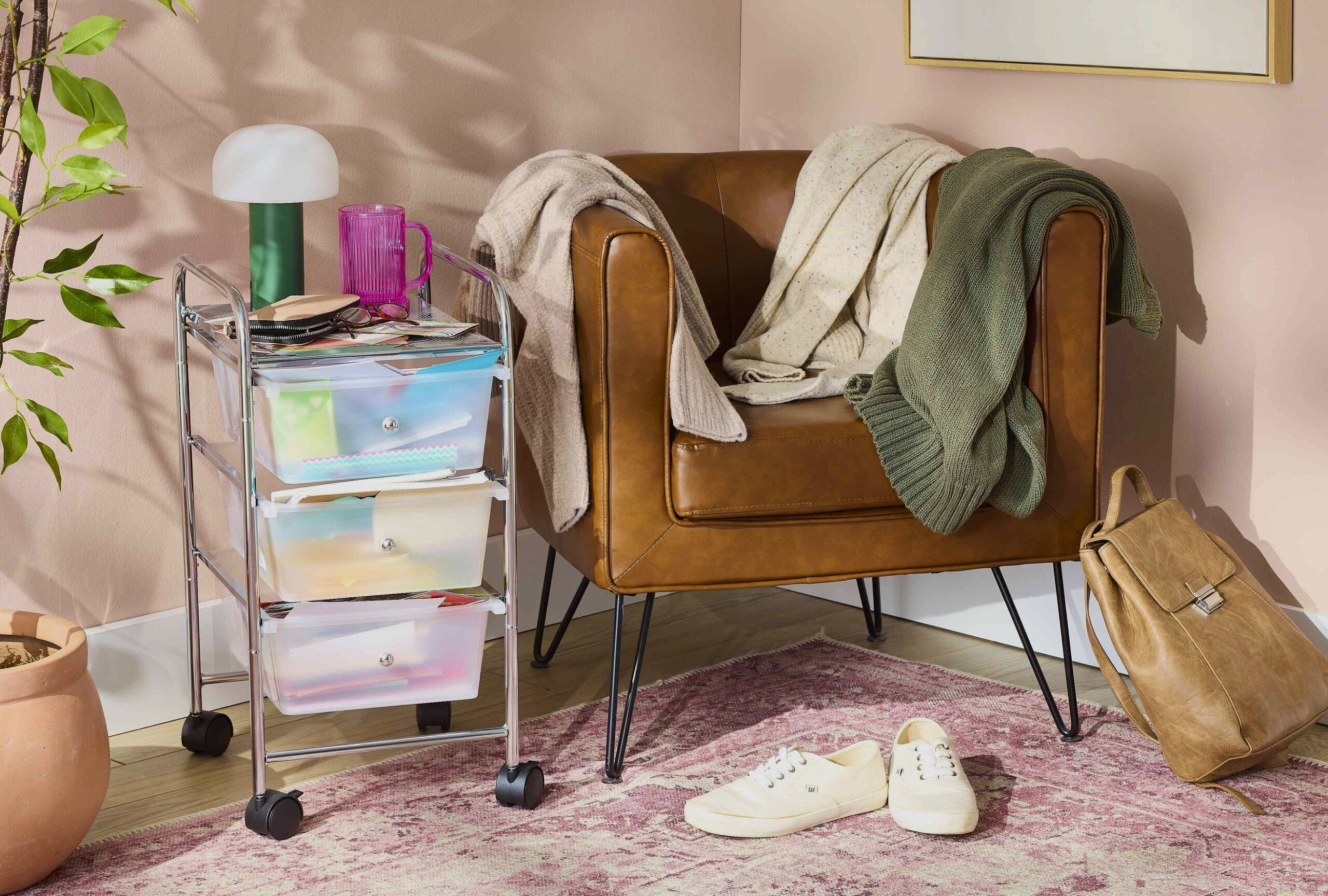
Marine André notes that using tables and countertops as storage is a major warning sign. Stacks of papers, random objects, and misplaced items scream disorganization. This creates a chaotic feel, making spaces feel smaller. The issue isn’t just aesthetics; it’s a symptom of not having dedicated homes for belongings.
Too Many “Convenience Spots”
Treantos recognizes when people keep everything within arm’s reach: spices cluttering counters, face creams piled on vanities. While convenience seems helpful, it breeds more chaos. The problem isn’t about laziness; it’s about overestimating what needs to be immediately accessible.
Unfinished Projects and Abandoned Hobbies
Professional organizers notice the weight of unfinished DIY projects and forgotten hobbies. These items carry guilt and frustration. Holding onto them isn’t just clutter; it’s emotional baggage. Letting go isn’t about being wasteful but about aligning the home with your current life.
Overflowing Storage and Lack of Space
Treantos quickly assesses if the issue is too much stuff or poor storage. Often, it’s both. If counters overflow, it suggests existing storage isn’t working. The mistake many make is adding containers before decluttering. More bins won’t fix overaccumulation.
The Bigger Picture: Defining “Tidy”
André emphasizes that messiness often signals deeper habits. While systems help, what “tidy” means varies for everyone. Organizers adapt to your preferences, not visitor expectations. The goal is to create a home that functions for you.
The core lesson from these organizers is that clutter isn’t just about stuff; it’s about underlying patterns, habits, and emotional attachments. Addressing these issues, not just the mess itself, is what leads to lasting change.