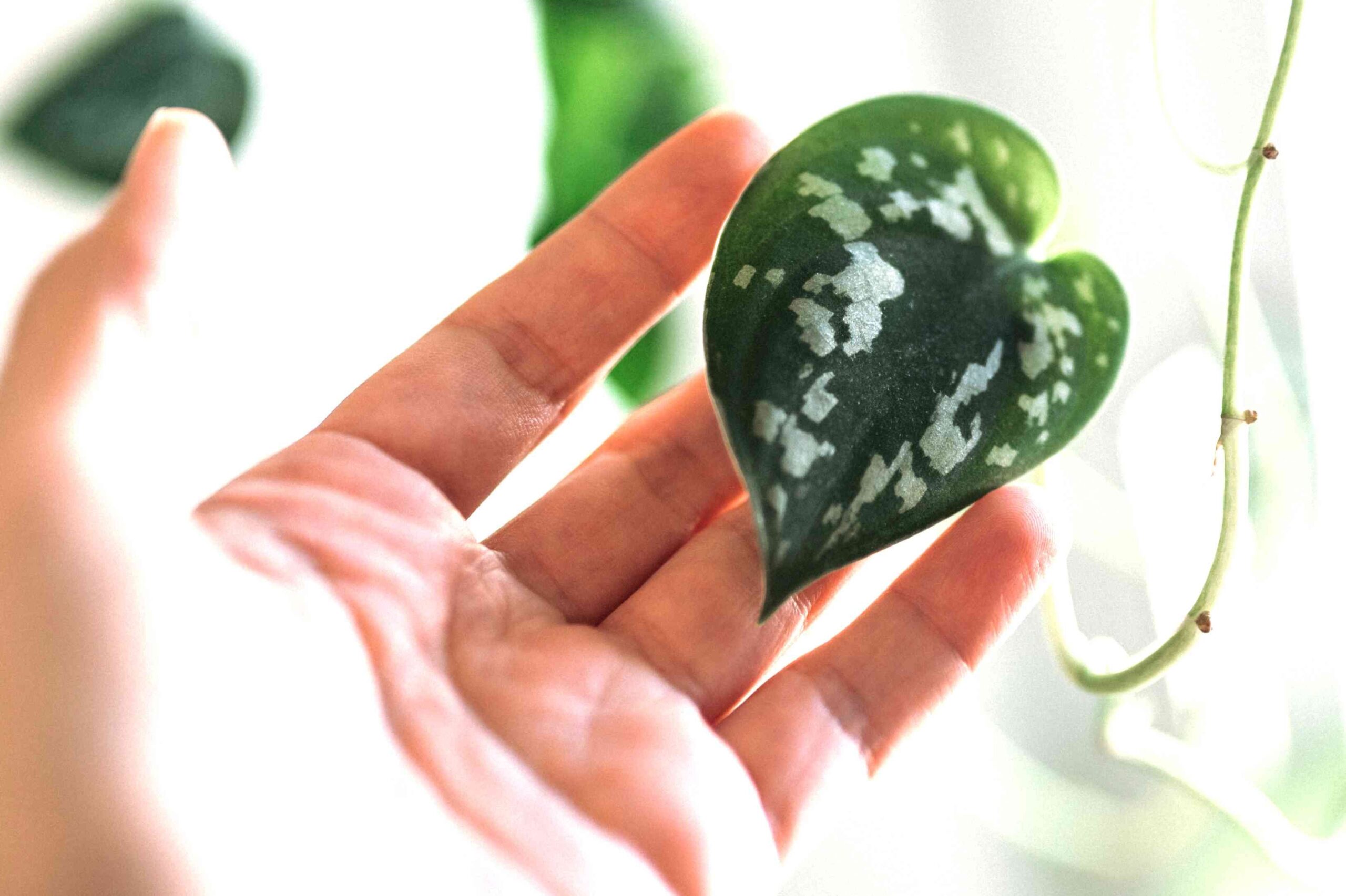
Satin pothos (Scindapsus pictus and its varieties like ‘Argyraeus’, ‘Exotica’, and ‘Jade Satin’) are popular houseplants admired for their striking foliage and trailing growth habit. A common issue owners face is curling leaves. While alarming, this symptom usually indicates a fixable problem, not necessarily plant death. Here’s a breakdown of six key reasons why your satin pothos leaves might be curling, and how to address them effectively.
Зміст
1. Underwatered Soil
The Problem: One of the most frequent causes of curling leaves is simply not enough water. The soil dries out, and the plant responds by conserving moisture, causing leaves to roll inward.
What to Do: Check the soil moisture. If it’s bone dry, deeply water the plant until water drains from the pot. Compacted soil may need gentle loosening with a dowel before watering. Leaves should perk up within hours. If they don’t, the issue is likely deeper. Severely dehydrated plants may have root damage; in this case, take stem cuttings to propagate new roots.
2. Overwatering & Root Rot
The Problem: Just as underwatering causes stress, so does sitting in soggy soil. Scindapsus pictus prefers to dry out partially between waterings. Overly wet conditions lead to root rot, which prevents the plant from absorbing water and manifests as curling leaves.
What to Do: Remove the plant from its pot immediately. Replace the soil with a well-draining mix. Inspect the roots: healthy roots are firm and light-colored; rotten roots are mushy and brown. Prune away any rotten roots before repotting. In severe cases, propagation via stem cuttings is the best option to save the plant. Ensure the pot has drainage holes. Wait at least a week before watering after repotting.
3. Temperature Stress
The Problem: Satin pothos thrive in warm temperatures (65°F to 85°F) like other tropicals. Sudden temperature shifts can shock the plant, causing leaves to curl, droop, or yellow.
What to Do: If the plant has recently been moved, return it to its original location. Acclimate it slowly to new environments. Avoid placing near drafts or cold windows.
4. Pest Infestation
The Problem: Pests can weaken the plant and cause leaves to curl. Common pests include spider mites, mealybugs, and aphids, which feed on the leaves and disrupt their structure.
What to Do: Inspect the plant carefully, especially the undersides of leaves. Treat with an insecticide. Isolate the plant from other houseplants to prevent spread. Preventative insecticide application is a good idea for houseplants in general.
5. Excessive Sunlight Exposure
The Problem: While satin pothos need bright light, direct sunlight can burn the leaves, causing them to curl inward as a defense mechanism.
What to Do: Move the plant to a location with bright, indirect light. Avoid direct sunlight, especially during peak hours.
6. Low Humidity Levels
The Problem: Satin pothos prefer moderate humidity. Very dry air can cause leaves to curl as the plant tries to conserve moisture.
What to Do: Increase humidity by moving the plant to a more humid room (bathroom, kitchen) or placing it near a humidifier. Avoid drafty air vents.
Addressing curling leaves promptly is crucial for maintaining the health and vitality of your satin pothos. Identifying the root cause allows for targeted treatment, ensuring your plant continues to thrive.
By carefully monitoring these factors and adjusting your care routine accordingly, you can effectively prevent and resolve curling leaves, keeping your satin pothos vibrant and healthy.