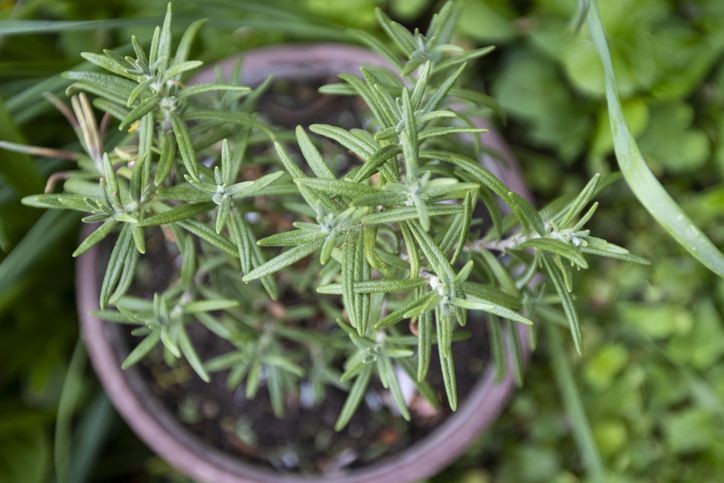
Rosemary (Salvia rosmarinus ) is a beloved evergreen herb prized for its fragrant, needle-like leaves. While hardy in warmer climates (USDA zones 8–9), even gardeners in colder regions can enjoy a continuous supply by propagating new plants from cuttings. This method is not only cost-effective but also ensures you always have fresh rosemary on hand, rather than relying on annual replacements.
Зміст
Why Propagate Rosemary?
Many gardeners treat rosemary as an annual in cooler climates. But rosemary is a perennial: it can live for years. Propagation allows you to keep your favorite plants going indefinitely, avoiding the need to repurchase them yearly. It also lets you easily expand your rosemary collection without spending money on new plants.
Taking Rosemary Cuttings
The key to successful propagation is timing and technique. Take cuttings during the growing season (spring or summer) from healthy, mature rosemary plants.
- Choose the right growth: New, tender growth roots most easily. Avoid woody, older stems, as they won’t develop roots. Semi-hardwood growth can work, but takes longer.
- Cutting length: Snip stems 3–6 inches long just below a leaf node. Shorter, greener cuttings generally have higher success rates.
- Prepare the cutting: Remove needles from the bottom inch or two, leaving three to five sets of leaves at the top.
Rooting in Soil: A Detailed Process
Soil propagation takes patience, often requiring up to two months. But it’s a reliable method for strong root development.
- Container prep: Fill pots with moistened sand or soilless potting mix. Use larger pots for multiple cuttings, or individual pots for single stems.
- Hormone treatment: Dip the cut end in rooting hormone and shake off excess. This encourages faster root growth.
- Planting: Make deep, narrow holes in the medium and insert cuttings, ensuring the hormone remains intact. Needles should sit above the soil line. Space cuttings 3–4 inches apart if using a shared container.
- Humidity dome: Cover pots with plastic bags to create a greenhouse effect. This maintains high moisture levels essential for root development.
- Light and warmth: Place cuttings in bright, indirect light and maintain temperatures around 70°F. Grow lights are effective indoors, or use a south-facing window.
- Air circulation: Remove the plastic covering for an hour daily to prevent mold and encourage airflow.
- Root check: After four weeks, gently tug on cuttings. Resistance indicates root growth. Discard cuttings that turn brown or fail after eight weeks.
Water Propagation: A Faster Alternative
Rosemary can also root directly in water, often faster than soil propagation (two to six weeks).
- Prepare cuttings: Take 3–6 inch softwood cuttings and remove lower needles.
- Water placement: Place cuttings in a glass of clean water, ensuring four to five leaf sets remain above the waterline.
- Water maintenance: Replace water every few days to prevent cloudiness.
- Transplant timing: When roots reach 1/2 inch in length, gently transplant into potting mix. Water-rooted cuttings are more delicate and prone to transplant shock, so handle with care.
Transplanting and Long-Term Care
Once rooted cuttings produce new growth, they’re ready for individual pots.
- Hardening off: Before planting outdoors, acclimate plants to direct sunlight over several days.
- Potting: Start with 4-inch pots and gradually increase size as roots fill the container. A 10-inch pot is suitable for a mature rosemary plant.
- Soil: Use well-draining soil: cactus mix or a high-quality potting mix amended with sand, grit, perlite, or vermiculite.
- Watering: Avoid overwatering. Clay or terra-cotta pots help keep soil on the drier side.
Rosemary cuttings, whether rooted in soil or water, may grow slowly at first. Consistent care and the right conditions will eventually reward you with a thriving, aromatic rosemary plant.
Propagating rosemary is a simple yet effective way to secure a continuous supply of this versatile herb. With the right techniques, even novice gardeners can enjoy fresh rosemary year after year.