Many homeowners want their spaces to feel current and lasting, a balance that’s harder to achieve than it seems. The key isn’t chasing the latest trends; it’s editing aggressively. Top interior designers agree: a timeless home isn’t built on what you add, but on what you remove.
Зміст
The Problem with Trends
The rapid cycle of design fads means that today’s “must-have” quickly becomes tomorrow’s eyesore. As Nadia Watts, founder of Nadia Watts Interior Design, explains, “Timeless rooms prioritize quality, proportion, and restraint.” This is why over-the-top, trendy pieces actually cheapen a space over time.
What to Get Rid Of: The Designer’s List
Here’s what pros say to ditch for a more enduring aesthetic:
- Mass-Produced Novelty Items: Anything overtly literal, cheaply made, or clearly bought to fill space dates a home faster than most realize. This includes fake plants, generic word art, and impulse buys.
- Poor Imitations: Faux finishes and decorative accents that mimic high-end styles are a red flag. Watts notes that these lack the refinement of real craftsmanship and quickly look cheap.
- Impersonal Trendy Decor: A single, meaningful piece tied to your passions is fine; overwhelming a room with disposable trends isn’t. If something lacks substance or personal history, it’s likely the first thing to go.
- Overly Thematic Decor: Obsessive themes (cats, polka dots, etc.) can overwhelm a space. Restraint is key. Incorporate personal flair subtly—a dish towel, a hand towel—instead of letting a theme dominate.
- Bold, Outdated Patterns: Loud, trend-specific patterns (chevron, animal prints in jarring colors) will always look dated. Neutrality and simplicity age better.
- Finishes Tied to Moments: Certain design elements are deeply tied to specific eras (ultra-glossy gray flooring, overly ornate farmhouse details). These quickly mark a space as “of its time.”
- Excess Clutter: Timeless interiors feel intentional, not chaotic. Too much stuff overwhelms the eye and makes a home feel cluttered rather than curated.
Why This Matters: The Cost of Trends
Chasing trends is expensive. Not just in money, but in wasted effort. When you fill your home with disposable items, you’re forced to constantly update to stay “current.” This cycle drains resources and prevents a space from developing a genuine, lasting style.
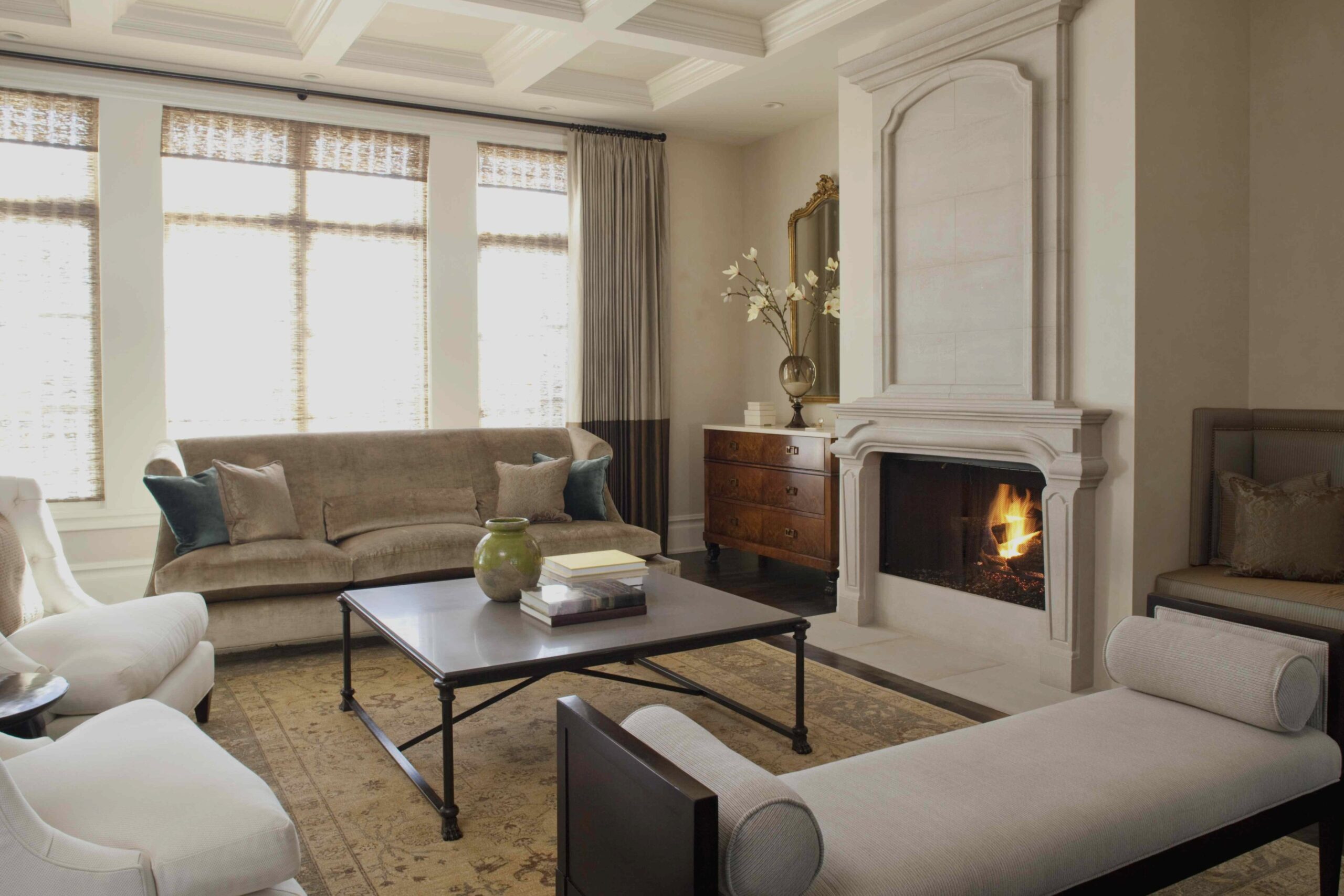
The better approach, as Watts recommends, is “edit first, then layer.” Start with a foundation of quality materials (wood, stone, tailored upholstery) and then introduce pieces that add warmth, texture, and meaning.
The End Result: A Home That Endures
Ultimately, a timeless home isn’t about avoiding trends entirely; it’s about prioritizing substance over surface. When a space reflects how someone truly lives—their passions, memories, and values—it resists fleeting fads and feels enduring. A well-edited home doesn’t just look good now; it will continue to look good for years to come.