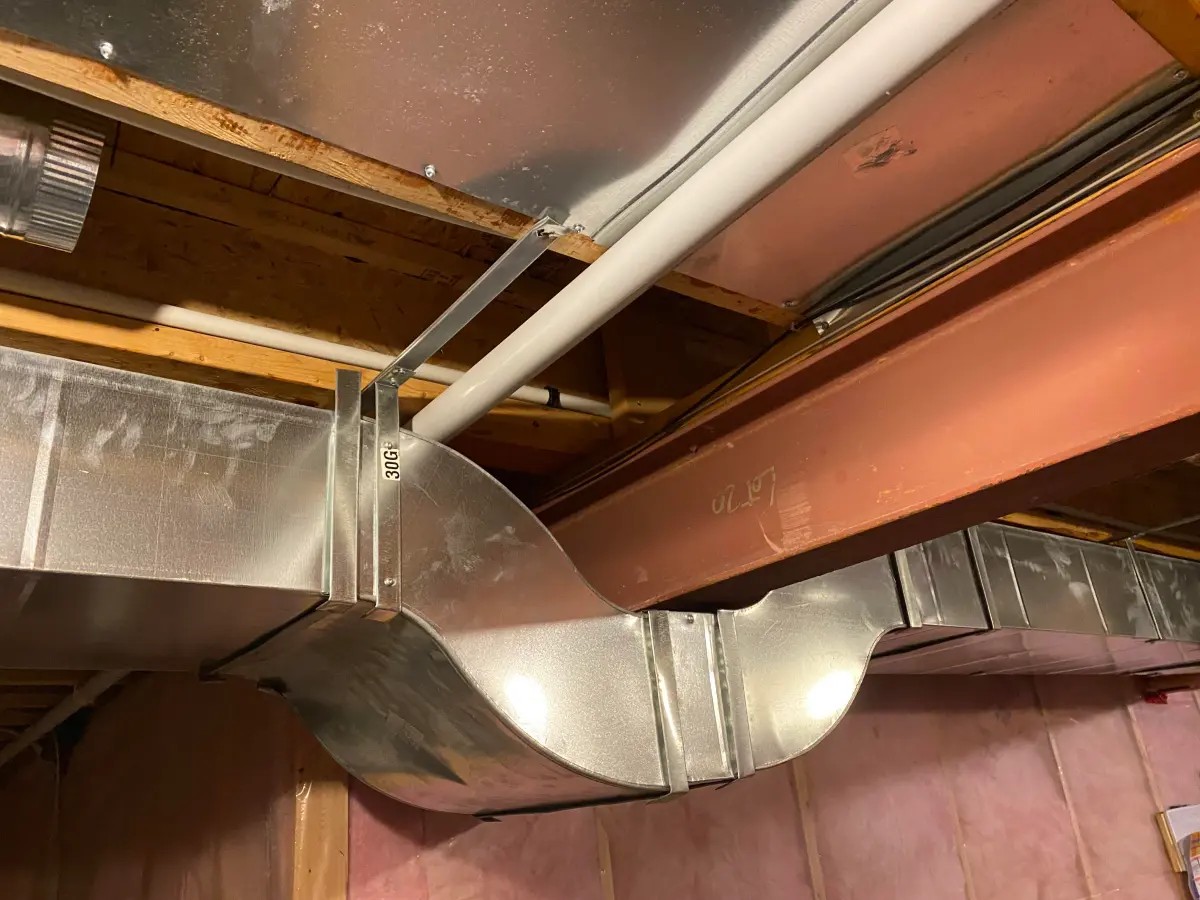
Ductwork conflicts represent a frequent issue in building projects, often escalating from a simple design oversight into costly delays and performance compromises. The core challenge lies in the natural tension between architectural aesthetics and the practical demands of mechanical systems. Ignoring this tension early on leads to visible ducts, reduced ceiling heights, last-minute rerouting, and ultimately, diminished efficiency.
This article dissects the common reasons these clashes occur and how integrated design can prevent them.
Зміст
The Root of the Problem: Spatial Competition
Ducts require physical space, yet architectural and structural plans often finalize dimensions before mechanical systems are fully defined. This creates a competition for space that inevitably leads to conflicts. Underestimating duct sizes during initial design stages exacerbates the problem: narrow corridors, shallow ceiling voids, and compact shafts simply cannot accommodate the necessary air distribution infrastructure once it’s added later.
Early coordination is paramount. Without it, ductwork is force-fitted into unsuitable spaces, resulting in compromised functionality and aesthetics.
Common Clash Points
Several scenarios repeatedly cause friction between architectural and mechanical designs:
Insufficient Ceiling Height
Architects often prioritize sleek, low ceilings for visual appeal. However, adequate ceiling plenum space is crucial for maintaining airflow and ensuring accessibility. When ceiling voids are too shallow, ducts hang below slab levels, forcing ceiling height reductions or suboptimal diffuser placement. A few extra centimeters of depth planned during the conceptual phase can prevent these issues.
Structural Interference
Structural beams, transfer girders, and slab drops directly obstruct duct routes. Bypassing these elements forces longer duct runs, additional bends, and increased friction losses. Engineers may compensate by increasing fan power, which wastes energy. Proper early coordination ensures ducts don’t compete with structural elements for the same space.
Late-Stage Duct Sizing
Mechanical engineers finalize duct sizes after load calculations, often later in the design process. If architecture has already fixed ceiling layouts by then, oversized ducts create immediate conflicts. Shafts become inadequate, corridors constrict, and vertical risers clash with walls and doors.
Poor Shaft and Riser Placement
Shafts act as vertical pathways for ducts. Poor positioning or undersized shafts force longer horizontal routes, tight corners, and increased ceiling space usage. Misplaced shafts lead to complex routing, extra bends, and difficulty connecting to rooms.
Misaligned Mechanical Rooms
Air handling units and fan rooms should be logically placed in relation to the spaces they serve. Placing them for architectural convenience but functional inefficiency results in long duct runs, crossings with other systems, and intrusive bulkheads. Mechanical room placement must be part of the architectural plan, not an afterthought.
Aesthetic Restrictions
Architectural requirements like feature ceilings, decorative coves, or exposed structural elements often limit duct routing options. When aesthetics dominate without considering services, ducts are squeezed into corners, airflow becomes uneven, noise increases, and maintenance access suffers.
Performance Loss from Forced Routing
Forcing ducts into tight spaces can cause deformation and leakage, reducing airflow efficiency. Increased pressure drop from tight bends forces engineers to overcompensate with higher fan power, raising energy consumption and operational costs.
Engineering and Architectural Solutions
Preventing conflicts requires proactive integration:
- Early Planning: Include ductwork in concept design discussions.
- Strategic Shaft Placement: Position shafts based on airflow needs.
- 3D BIM Models: Use Building Information Modeling (BIM) to identify clashes before construction.
- Maintenance Access: Always factor in future maintenance and access requirements.
Architects can support better routing by:
- Designing adequate ceiling voids.
- Avoiding unnecessary ceiling drops.
- Aligning room layouts with duct paths.
- Providing straight corridors for main trunks.
- Allowing flexible ceiling zones for services.
Key Takeaways
Duct routing conflicts are avoidable with early collaboration between architects and engineers. The cost of ignoring this coordination is significant: delays, performance loss, and compromised aesthetics. Prioritizing integrated design ensures that buildings function as efficiently as they look.