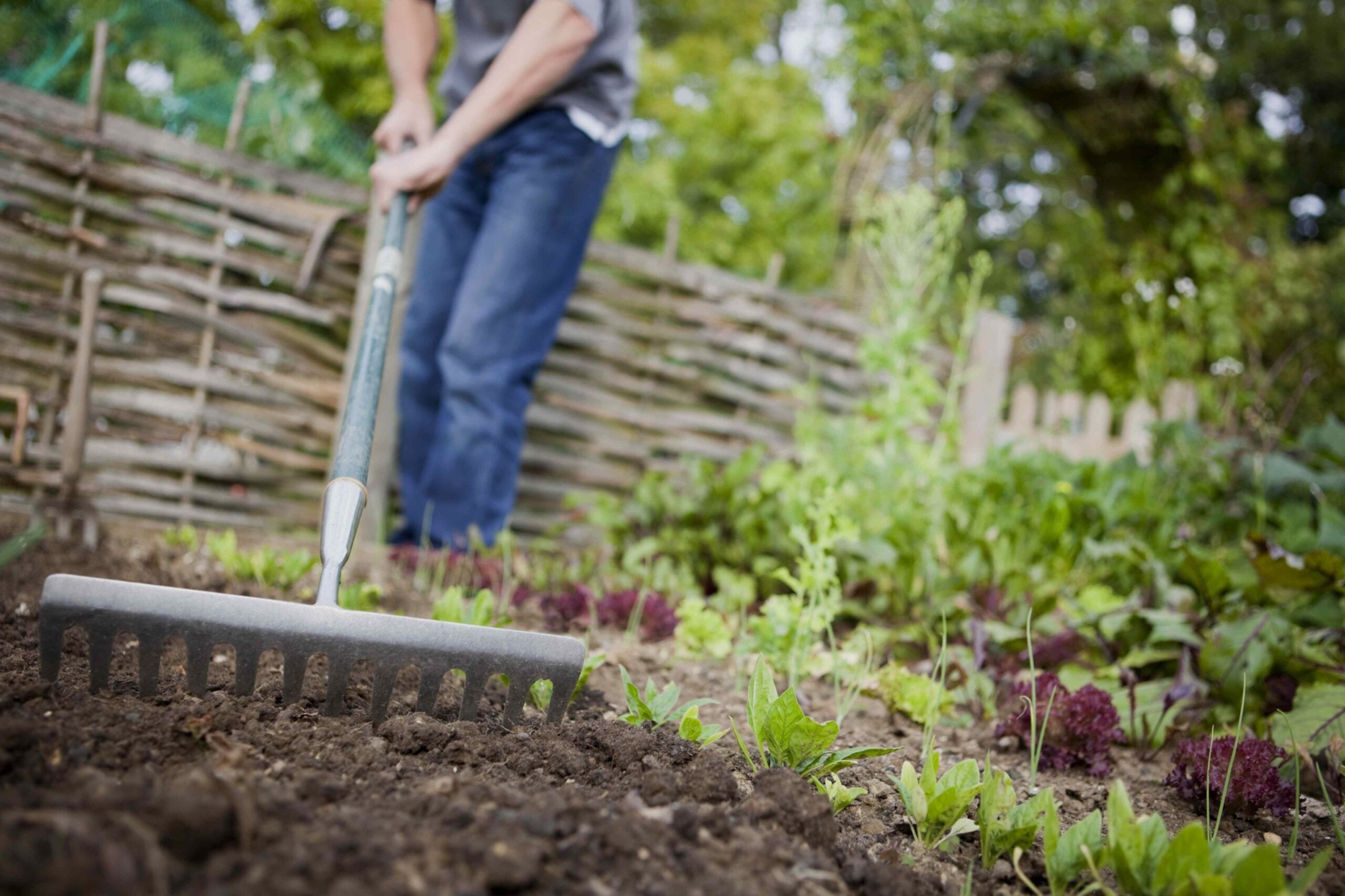
While spring may still feel distant, warmer temperatures offer a prime opportunity to prepare your garden for robust growth and vibrant blooms. Taking action now, even before the last frost, can significantly improve your garden’s health and beauty this coming season. The key is understanding why these tasks matter. Waiting until the last minute means plants will struggle to establish themselves, pests will have a head start, and soil won’t be optimized for peak performance. Here are five essential steps you should take now.
Зміст
Clear Away Winter Debris
Removing fallen leaves, dead stems, and old foliage isn’t just about tidiness. Decaying plant matter harbors pests and diseases, including snail eggs and fungal spores. By clearing this debris, you’ll increase sunlight and air circulation, creating healthier conditions for new growth. Focus on early-blooming plants like crocuses and Hellebores, ensuring they have unobstructed access to the sun.
Don’t ignore weeds! Chickweed and henbit sprout early and develop stubborn root systems if left unchecked. Pull them now before they take over your flowerbeds.
Test and Amend Your Soil
Healthy plants start with healthy soil. Soil pH and nutrient levels dictate how well your plants absorb water and nutrients. Most ornamentals prefer neutral to slightly acidic soil, but acid-loving plants (azaleas, hydrangeas) need lower pH, while others (lavenders, lilacs) thrive in alkaline conditions. A simple soil test will reveal what your garden needs.
If the ground isn’t frozen, consider applying a granular fertilizer to give early bloomers a boost. For acid-loving plants, fallen pine needles are a natural and effective amendment.
Prune Perennials and Shrubs
Pruning now prepares plants for vigorous spring growth. Cut back late-blooming perennials like asters and sedums to 1–2 inches above ground level, encouraging energy storage in the roots. February–March is the ideal window for pruning roses and summer-blooming clematis.
Pruning while plants are dormant minimizes stress and promotes stronger growth. Remove any dead or damaged branches from ornamental shrubs now to improve their overall health.
Check Drainage and Irrigate
Poor drainage is a silent killer for plants. Evaluate your garden for low spots where water pools, indicating poor drainage. Root rot is a common issue in soggy soil, especially during winter thaw cycles.
Address drainage issues by trenching, extending gutters, or installing a rain barrel. If the soil is overly dry, incorporate organic matter like compost or shredded bark to improve moisture retention.
Even in snowy regions, monitor soil moisture. Dry winds can deplete moisture levels quickly. Water deeply when the soil feels dry to the touch, especially around spring bulbs and newly planted shrubs.
Manage Rodent Pests
Moles, voles, and chipmunks can wreak havoc on garden roots, particularly during lean winter months. These pests don’t just eat plants; they damage root systems, weakening perennials and shrubs.
Setting traps or baits is an effective way to control rodent populations. Prevention is key: remove hiding spots (dense vegetation) and consider physical barriers if rodents are a persistent problem.
By addressing these five tasks now, you’ll set the stage for a thriving garden this spring. Proactive preparation ensures healthier plants, fewer pest problems, and a more beautiful landscape overall.