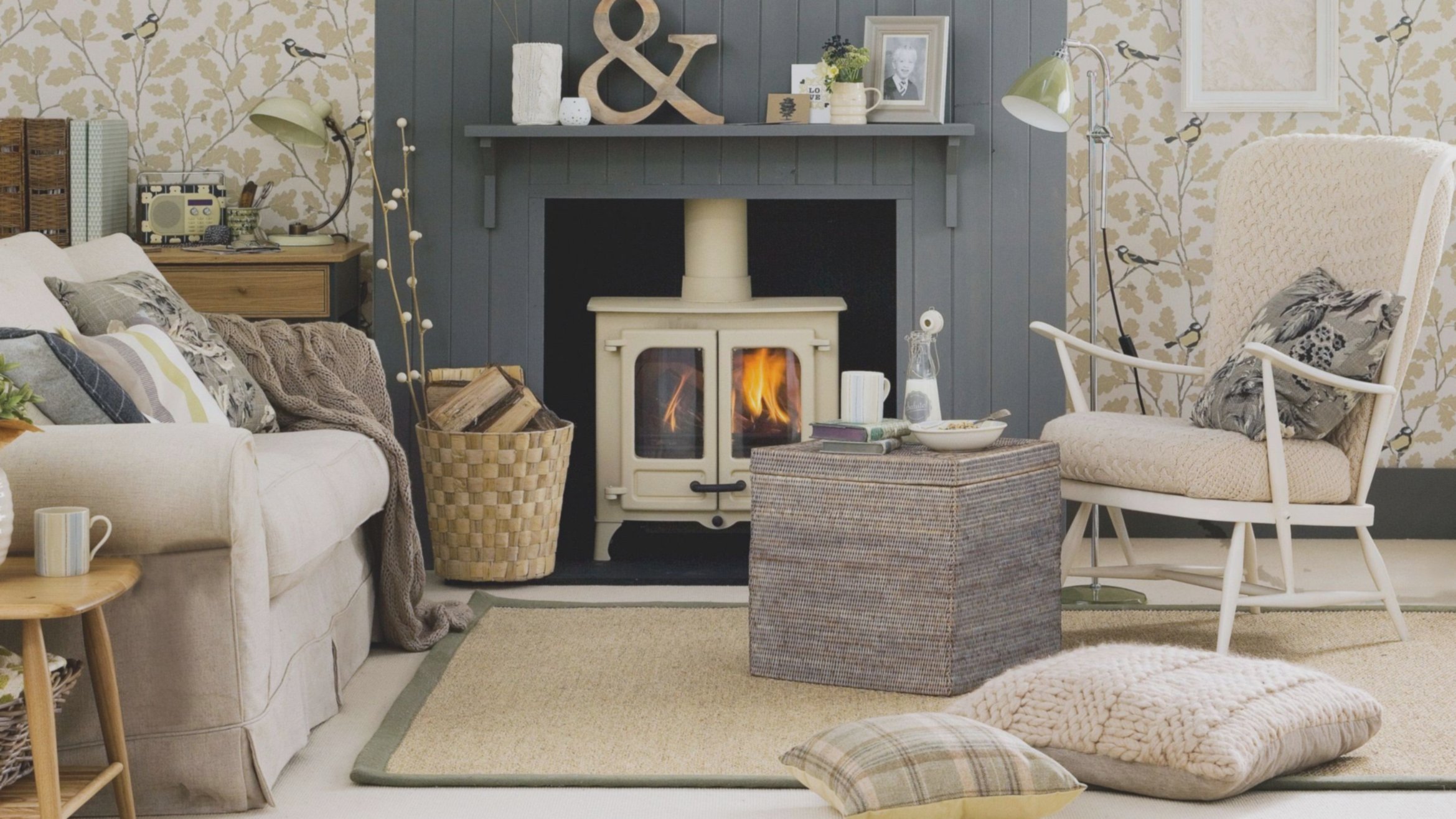
Recent discussions about potential changes to log burner regulations have caused uncertainty for homeowners. While an outright ban is not on the table, the UK government is preparing to tighten emissions standards as part of its broader Environmental Improvement Plan 2025. Here’s a breakdown of what’s happening, and what it means for you.
The Government’s Approach to Air Quality
The UK has made progress in air quality over recent decades, but pollution remains a significant threat to public health. Long-term exposure to air pollution is linked to severe health problems, including heart disease, lung disease, and cancer, disproportionately affecting low-income communities.
To address this, the government is consulting on ways to reduce emissions from domestic burning. These proposals focus on three key areas:
- Stricter Emission Limits: New wood-burning stoves will face tougher smoke emission standards, dropping from 5g/hr to 1g/hr (plus 0.1g per 0.3kW heat output).
- Mandatory Labeling: Stoves and fuels will be clearly labeled with emissions data, permitted fuel types, and health impact warnings to help consumers make informed decisions.
- Increased Enforcement: Penalties for suppliers selling non-compliant fuels will be increased to ensure adherence to standards.
“The government is focused on improving air quality and will consult this year on ways to cut emissions, recognizing that some households rely on log burners,” says Barry Cope, CEO of HETAS.
What This Means for Homeowners
The proposed changes, expected to take effect in 2027, will primarily affect manufacturers and retailers – not existing log burner owners. If you are considering purchasing a new stove, you will have access to clearer information about its emissions and permitted fuels.
The industry is already ahead of the curve: testing data shows that 70% of stoves introduced since 2018 already meet the proposed 1g/hr standard. Ecodesign regulations, implemented since 2022, require all new stoves to comply with strict UK and EU emissions limits (no more than 3 grams of smoke per hour).
For those with existing log burners, there are no plans to force removal or upgrades. However, the availability of cleaner, more efficient models may encourage voluntary upgrades in the future.
The Bigger Picture
These changes reflect a broader trend toward stricter environmental regulations across Europe. The focus is not on eliminating wood burning entirely, but on ensuring that appliances meet modern emission standards to protect public health and the environment. The government’s approach is pragmatic, recognizing the role of log burners in some households while prioritizing cleaner air for all.
The key takeaway is simple: no immediate action is required for existing log burner owners, but future purchases should prioritize Ecodesign-compliant models.