Many gardeners and houseplant enthusiasts wonder if leftover household water – like mop water – can be safely used for irrigation. The answer is nuanced: while certain types of waste liquid can be beneficial, others can harm or even kill plants. Understanding the ingredients and proper application is key to repurposing these resources effectively.
The Safety of Mop Water for Plants
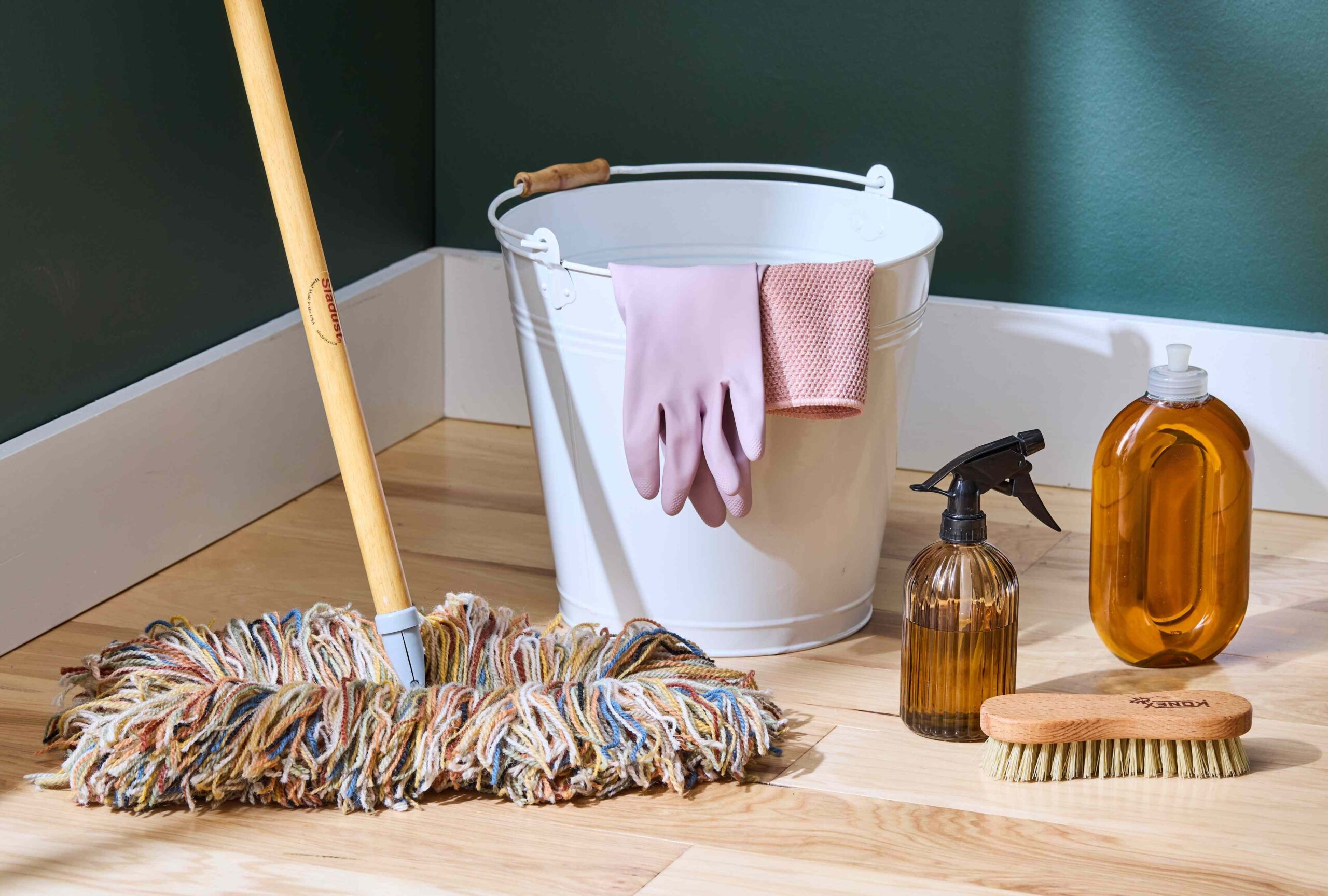
Whether mop water is safe depends entirely on what’s in it. If the water is purely clean, without any added cleaning agents, it’s generally harmless for most plants. Horticulturist Justin Hancock confirms that plain water used for mopping poses minimal risk.
However, avoid using mop water on edible plants, as consuming produce watered with questionable liquids is undesirable. Carnivorous plants, already sensitive to tap water chemistry, should also be excluded.
The real danger lies in cleaning products. Soaps, detergents, ammonia, and solvents can damage plant roots, particularly those of sensitive species. Even “natural” cleaners like vinegar and baking soda can be problematic. Vinegar can alter soil pH, and baking soda introduces salts that burn roots. Castile soap, while seemingly benign, can still harm plant tissues.
Alternative Household Resources for Plant Growth
Mop water isn’t the only household scrap that can benefit plants. Several other leftovers offer valuable nutrients or soil enhancements.
- Cooking Water: Water left over from boiling vegetables, potatoes, or pasta is rich in nutrients if unsalted. Let it cool before using, but avoid overreliance; starches can accumulate and promote mold.
- Aquarium Water: Freshwater aquarium water contains nutrients plants need. However, never use saltwater aquarium water, which is toxic to most plants.
- Eggshells: Ground eggshells provide calcium, strengthening cell walls and preventing issues like blossom end rot in tomatoes. Thoroughly cleaned and powdered shells absorb faster.
- Coffee Grounds & Loose Tea: Spent coffee grounds and tea leaves introduce nitrogen and aeration to the soil, deterring pests like slugs. Ensure loose tea is removed from plastic-containing tea bags.
- Banana Peels: Banana peels are rich in potassium and can be brewed into liquid fertilizer or blended directly into the soil. For indoor plants, composting is recommended to avoid foul odors or mold growth due to incomplete decomposition.
Best Practices for Repurposing
While these materials offer benefits, moderation is crucial. Cooking water should be an occasional supplement, not a primary watering source. Composting food scraps before use in houseplants ensures proper breakdown and prevents mess.
“Houseplant potting mixes may not contain the necessary organisms for effective decomposition,” warns Hancock. “Improperly broken-down food waste can lead to unpleasant odors or mold.”
In conclusion, repurposing household waste for plant care is viable with caution. Always prioritize plant safety by ensuring ingredients are non-toxic and applying materials in moderation. Properly managed, these resources can boost growth, reduce waste, and enhance garden health.