Pivot doors are gaining popularity as a modern alternative to traditional hinged doors, offering a sleek aesthetic and improved functionality. If you’re considering one for your home, here’s everything you need to know about costs, installation, and suitability.
Зміст
What Exactly Is a Pivot Door?
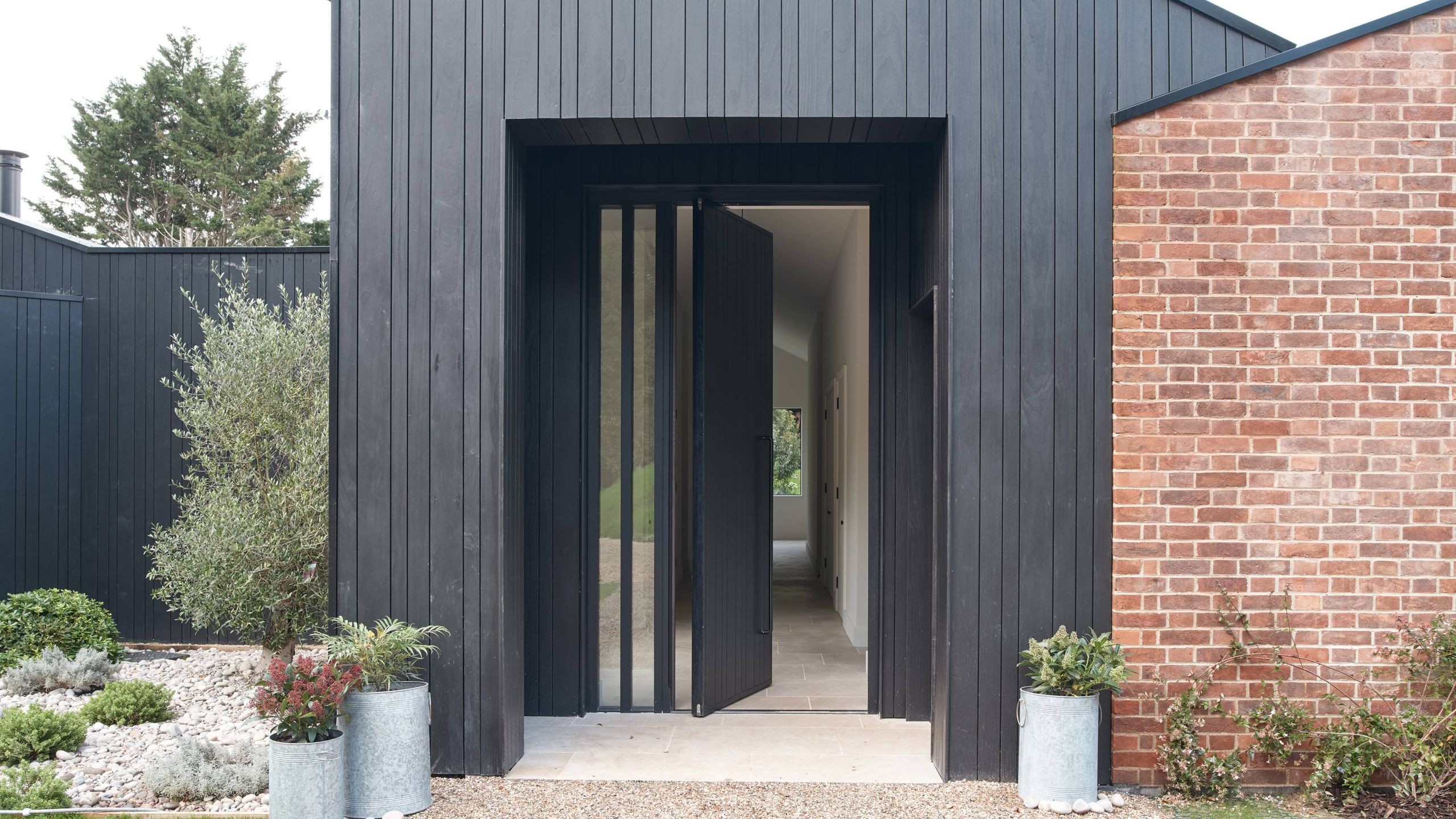
Unlike standard doors that swing on side hinges, pivot doors rotate on a mechanism set into the top and bottom of the frame. This allows for larger, heavier doors, creating a striking visual impact. They can be designed to open both inwards and outwards, depending on space constraints.
The use of pivot doors in residential homes has grown over the past decade, driven by architects and designers seeking a touch of elegance and simplicity. As Elizabeth Asaf of Urban Front explains, “Pivot hinges were initially for heavy doors, but now most residential doors can be either pivot or hinged.” They’re even being used internally to create stylish room dividers.
The Pros and Cons
Pivot doors offer aesthetic and practical advantages. Their design handles the weight of wide, heavy doors better, making them ideal for contemporary, industrial, or barn-style homes. When used as a replacement for patio doors, they reduce sightlines, maximizing uninterrupted garden views.
However, pivot doors come with drawbacks:
- Cost: They are generally more expensive than standard hinged doors, though prices are falling as demand increases.
- Space Requirements: They need wider openings (at least 1.2 meters) to accommodate their swing, which can be a limitation for some properties.
- Material Options: Pivot doors are typically made from timber or aluminum, making uPVC options scarce.
Purchasing a Pivot Door
High-end door manufacturers are the primary source for pivot doors, though mainstream retailers haven’t fully adopted them yet. Expect to pay a premium: Urban Front’s pivot doors start at £6019 + VAT, while aluminum options may be found from around £4000.
Installation Considerations
Installing a pivot door requires more precision than a standard door. An opening clearance of at least 1.2 meters is crucial for comfortable access, including wheelchair users.
- Existing Openings: Remodeling an existing doorway will involve structural work to expand the aperture.
- Reinforcement: Oversized doors may require reinforcing the doorframe.
- Drainage: The level threshold common in pivot doors may need improved drainage to prevent water ingress.
Common Questions Answered
Can I use a pivot door as a front door? Absolutely. They create a strong first impression, particularly suited for modern homes. Oversized pull bar handles are often used for easier operation.
How long will it last? A well-made pivot door should last at least 25 years, and potentially 40 or more. Aluminum construction offers superior longevity compared to uPVC, while timber doors can last even longer with proper maintenance (sanding and weatherproofing).
Pivot doors are a stylish investment that can dramatically elevate a home’s aesthetic. However, careful planning regarding space, cost, and installation is essential to ensure a seamless upgrade.