For the better part of a decade, the interior design world has been dominated by a “cool” aesthetic: minimalist white surfaces, sleek gray tones, and clinical, sterile finishes. However, a shift is underway. Designers are reporting a resurgence of interest in the honey-colored and maple-hued cabinetry that defined kitchens in the late 1990s and early 2000s.
Rather than viewing these warm tones as a sign of a dated space, homeowners may find they are actually on the cusp of a major trend. If you are currently living with amber-toned wood, you might not need a full renovation to stay on trend.
Why Warm Wood is Making a Comeback
The move away from stark minimalism toward warmer palettes is part of a broader design trend toward “coziness” and nostalgia. According to industry experts, several factors are driving this revival:
- Atmosphere: Unlike cold whites or grays, wooden cabinetry introduces an immediate sense of warmth and organic texture to a room.
- Durability: Beyond aesthetics, wood is highly practical—it is sturdy, resistant to temperature fluctuations, and easy to maintain.
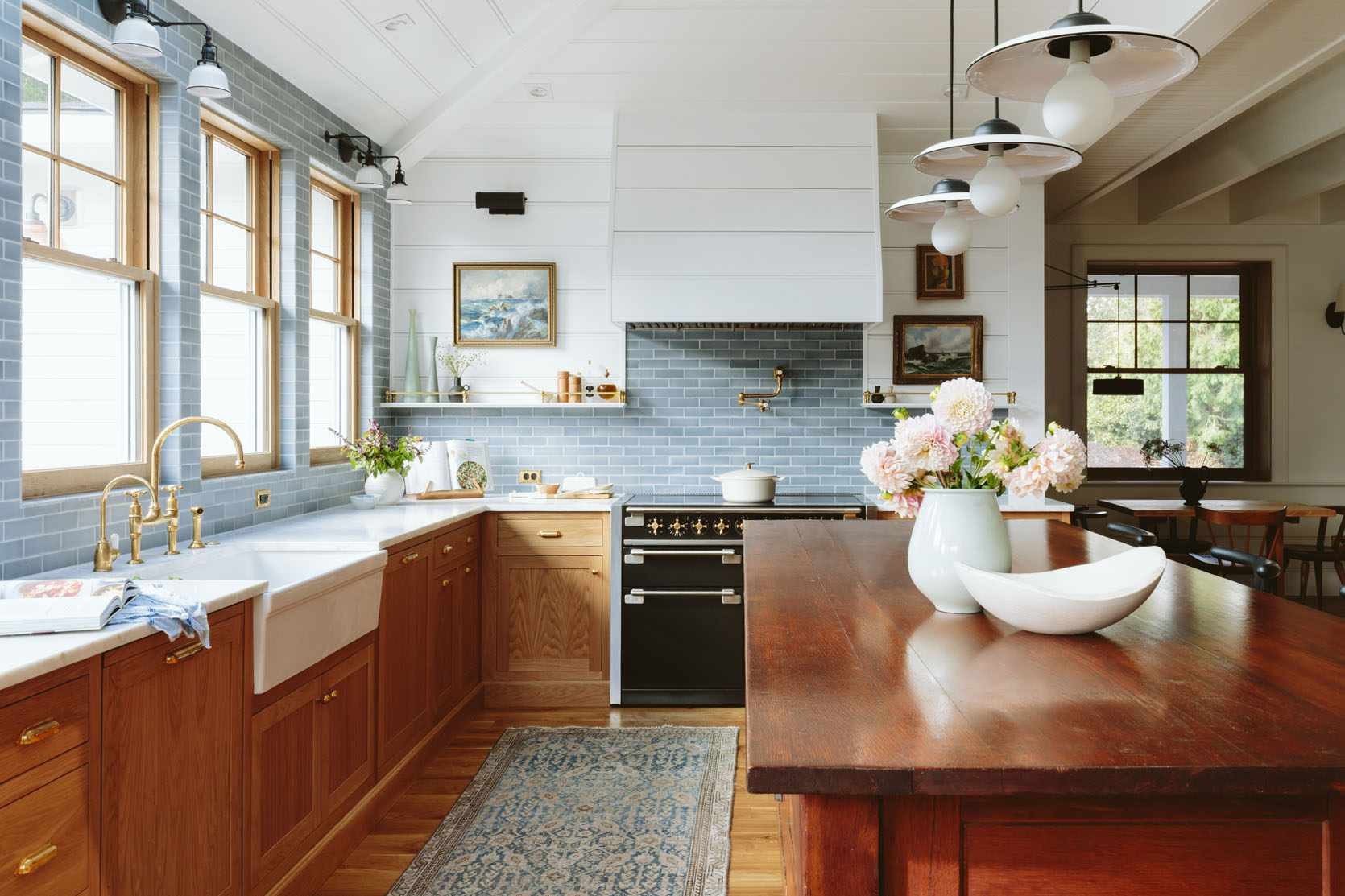
- Versatility: Modern designers are finding that maple and honey tones pair beautifully with a wide range of contemporary colors, from soft blues and greens to crisp whites.
How to Update Your Kitchen Without a Full Demo
If your kitchen feels stuck in 1999, you don’t necessarily need to tear everything out. Professional designers suggest several strategic ways to “refresh” existing wooden cabinetry.
1. Play with Contrast and Color
One of the biggest mistakes in older kitchens is “wood overload,” where the honey tones cover every surface from floor to ceiling. To fix this, try treating the wood as an accent rather than the main event.
* Paint the uppers: If your base cabinets are wood but your upper cabinets feel heavy, paint the uppers a neutral color to lighten the visual load.
* Use grounding neutrals: Pairing warm wood with cream or soft white walls creates a harmonious, intentional look.
* Introduce soft hues: Complementing maple with creamy light blues or gray-greens can make the wood feel sophisticated rather than dated.
2. Swap the Hardware
One of the fastest and most cost-effective ways to modernize a kitchen is to change the “jewelry.” Replacing dated handles with matte black, brushed nickel, or minimalist contemporary designs can instantly shift the vibe from “retro” to “modern organic.”
3. Improve Lighting and Architecture
- Under-cabinet lighting: Adding LED strips under your cabinets can change the way light hits the wood grain, making the space feel high-end and intentional.
- Open shelving: If certain cabinets feel particularly bulky or dated, removing them entirely in favor of open shelving can create a much lighter, more modern atmosphere.
4. Re-staining for a Modern Palette
If the specific shade of your wood is the problem—such as an overly bright, orange-based stain—maple is an excellent candidate for re-staining. Moving toward organic, earthy brown tones can strip away the “synthetic” feel of 90s finishes and bring the kitchen into a more contemporary, natural aesthetic.
When to Start Over
While much can be saved, designers do note a major exception to the “don’t demo” rule. If your kitchen features maple overlay cabinets with shaker-style doors, the structural design may be too dated to save through simple updates. In these cases, a complete replacement is often the only way to achieve a truly modern look.
The Bottom Line: The return of warm wood marks a move away from clinical minimalism toward more lived-in, comfortable spaces. By focusing on hardware, lighting, and strategic color pairing, you can transform dated maple cabinetry into a stylish, high-end feature.