Maintaining a healthy vegetable garden hinges on proper watering. While a general rule suggests watering two to three times weekly, providing roughly one inch of water (six gallons per square yard) during the growing season, the ideal schedule depends on several factors: soil type, temperature, rainfall, and the specific vegetables you’re growing. Ignoring these variables risks both under- and overwatering, which can significantly impact your yield.
Зміст
Assessing When to Water
Don’t rely on guesswork or waiting for plants to visibly wilt. The most reliable method is a simple soil check. Dig about three inches down with a trowel; if the soil feels dry at that depth, it’s time to water. This is especially important because plants under stress from dehydration become harder to revive the longer they go without water. Immediate action is best.
Timing Your Watering
Early morning is the optimal time to water. Cooler temperatures minimize evaporation, and the foliage has time to dry, reducing the risk of fungal diseases. While waiting for rain is tempting, don’t gamble on it. If rain doesn’t come, your plants will suffer. Water as soon as possible, even if it’s late in the day, rather than letting them stress.
The Right Watering Methods
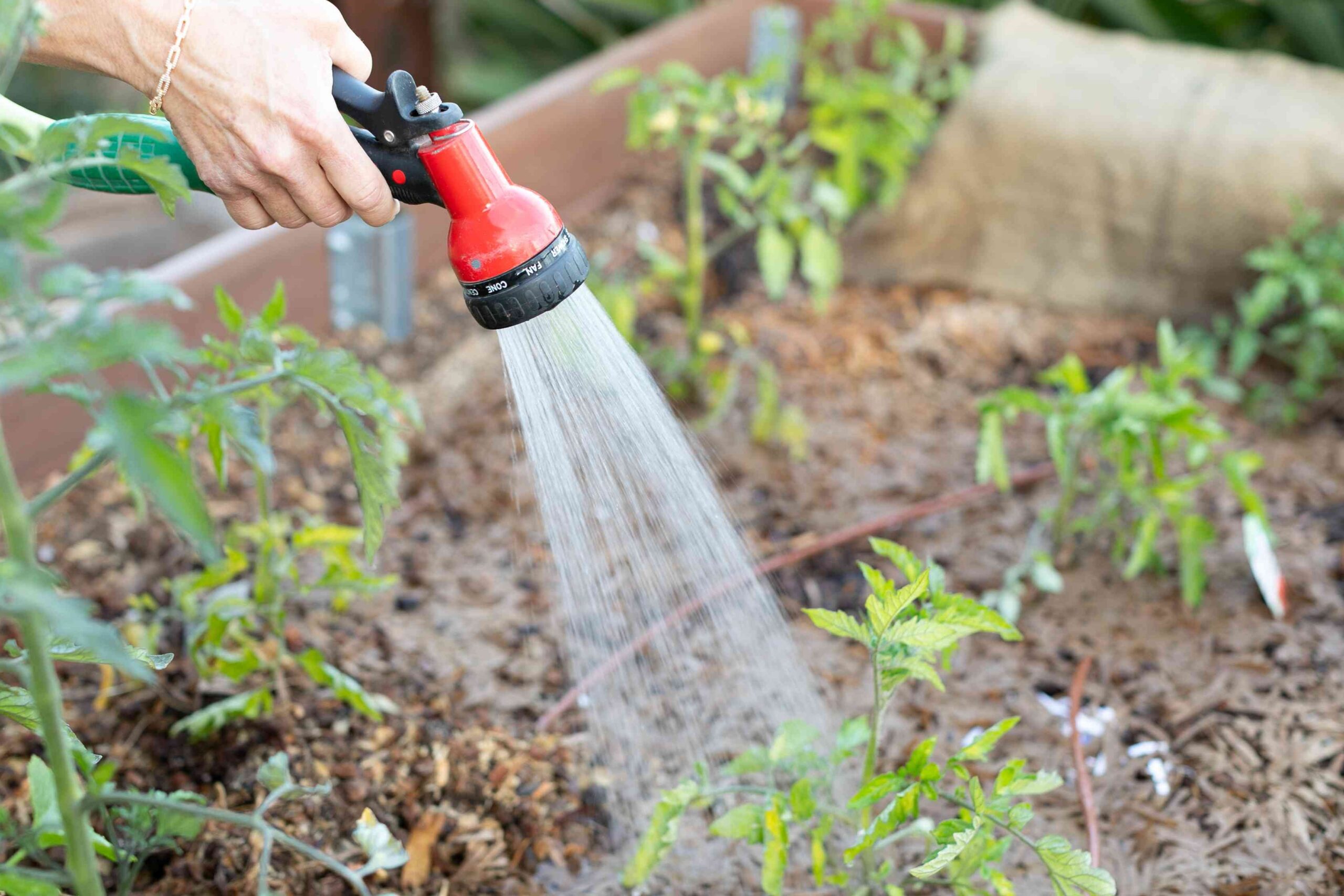
Soaker hoses and drip irrigation are the most effective. They deliver water directly to the roots, encouraging deep growth and efficient nutrient absorption. Avoid high-pressure hoses, which can wash away soil and damage roots. If hand-watering, use a low flow rate. Overhead sprinklers should be avoided if possible, as they keep foliage wet, promoting disease. Always monitor how much water is applied. A water meter can help prevent overwatering.
Adjusting for Rainfall
A rain gauge is essential. Track how much natural water your garden receives to avoid over-supplementing. Soil composition matters too: sandy soils dry faster than clay, so check moisture levels before watering, regardless of rainfall.
Signs of Overwatering
Overwatering can be just as damaging as underwatering. Look for these red flags:
- Exposed roots: Water pressure is washing soil away.
- Puddles: The ground remains soggy an hour after watering.
- Moldy soil: Overwatering combined with rainfall creates ideal fungal conditions.
- Wilted, dying plants: Soggy roots cannot breathe.
- Bland-tasting produce: Excess water dilutes flavor.
- Soft, limp root crops: Potatoes, onions, and beets rot in overly wet soil.
- Diseased foliage: Wet leaves encourage fungal growth.
Specific Vegetable Needs
Newly planted seeds and seedlings need more consistent moisture to establish. Once plants mature, adjust water levels based on their species. A well-maintained garden, with attention to these details, will yield a bountiful harvest.
The key to success isn’t just how often you water, but how well you understand your garden’s unique needs. Ignoring these factors will lead to stressed plants and poor results.