Interior design professionals have noticed recurring patterns in bedrooms that detract from comfort and style. These mistakes, while common, can undermine the relaxing atmosphere a bedroom should provide. Here’s what top designers say to avoid, along with better alternatives for creating a truly personalized sleep space.
Зміст
The Problem with Accent Walls
Accent walls—typically one wall painted or papered differently to highlight a focal point—are falling out of favor. Designer Michelle Gage argues they’ve become dated. Rather than a single statement wall, she and Michael Graham-Smith recommend committing to a color or wallpaper throughout the entire room. This creates a more cohesive, immersive feel.
Why Plain White Walls Don’t Work
While avoiding accent walls is good, simply leaving walls stark white isn’t the solution. Gage finds this approach sterile and uninspired. She suggests choosing a light, but not white, paint color to add subtle warmth and personality. The advantage of paint is its flexibility: easy to change if you don’t like the result.
Ditch the Bulky Ceiling Fan
Outdated or oversized ceiling fans are a common distraction, according to Graham-Smith. Instead of a clunky fixture, opt for a streamlined, modern fan if you need one. Otherwise, use the ceiling for a statement light fixture that elevates the room’s design. Good lighting can transform a bedroom’s ambiance without compromising aesthetics.
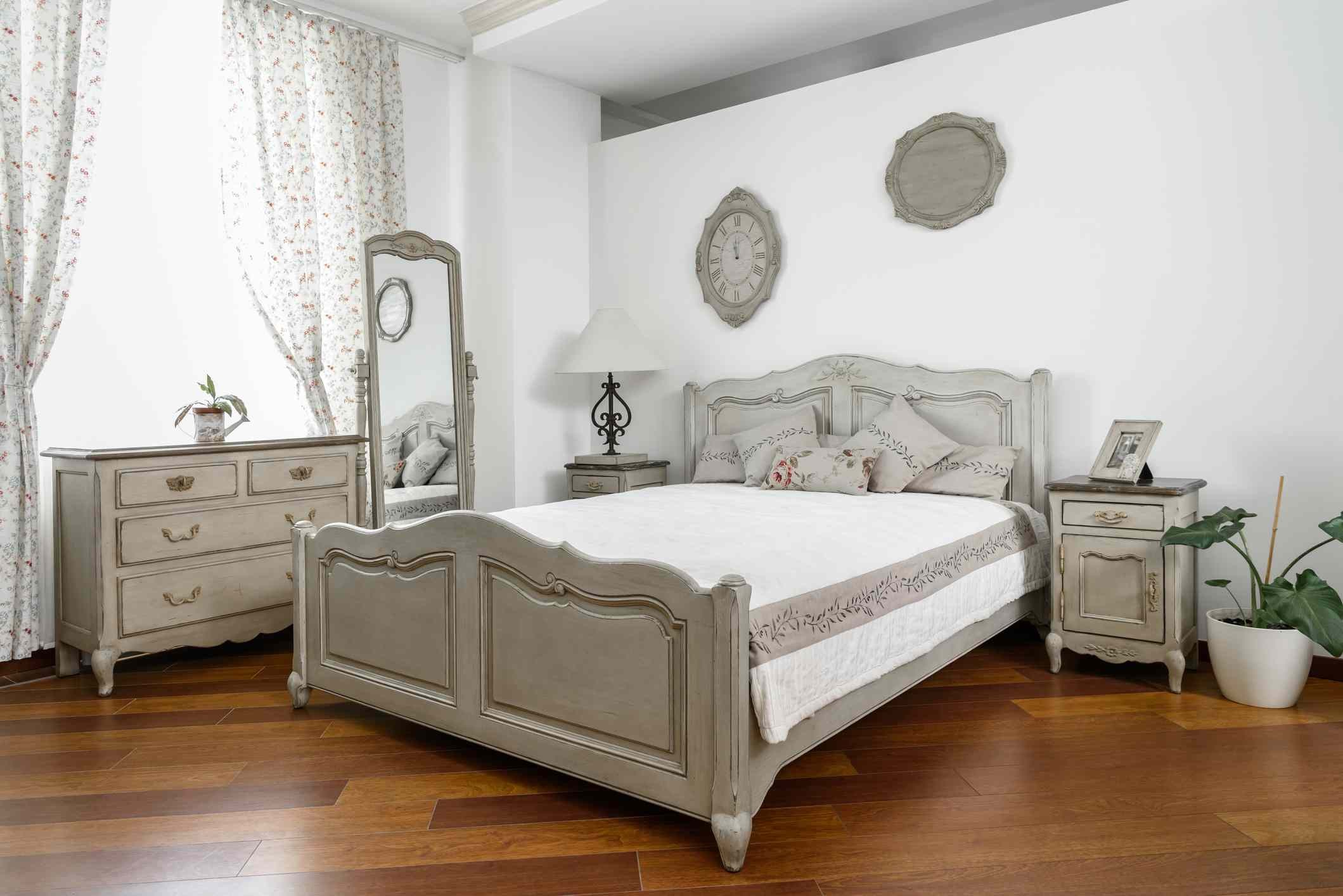
Avoid Matching Bedroom Sets
Sallie Lord of GreyHunt Interiors dislikes seeing identical bedroom furniture sets. She believes they signal a lack of effort and personality. The solution is mixing and matching pieces from various sources —vintage stores, heirloom items, or different retailers—to create a curated, bespoke look.
Skip the Bed-in-a-Bag
Bed-in-a-bag sets, often sold as convenient packages, lack individuality. Lord advises mixing and matching linens instead for a unique, personalized touch. This allows your personality to shine in the most private space in your home.
Ultimately, a bedroom should reflect your taste and provide a calming retreat. Avoiding these common design pitfalls and embracing a more curated, thoughtful approach can make all the difference.