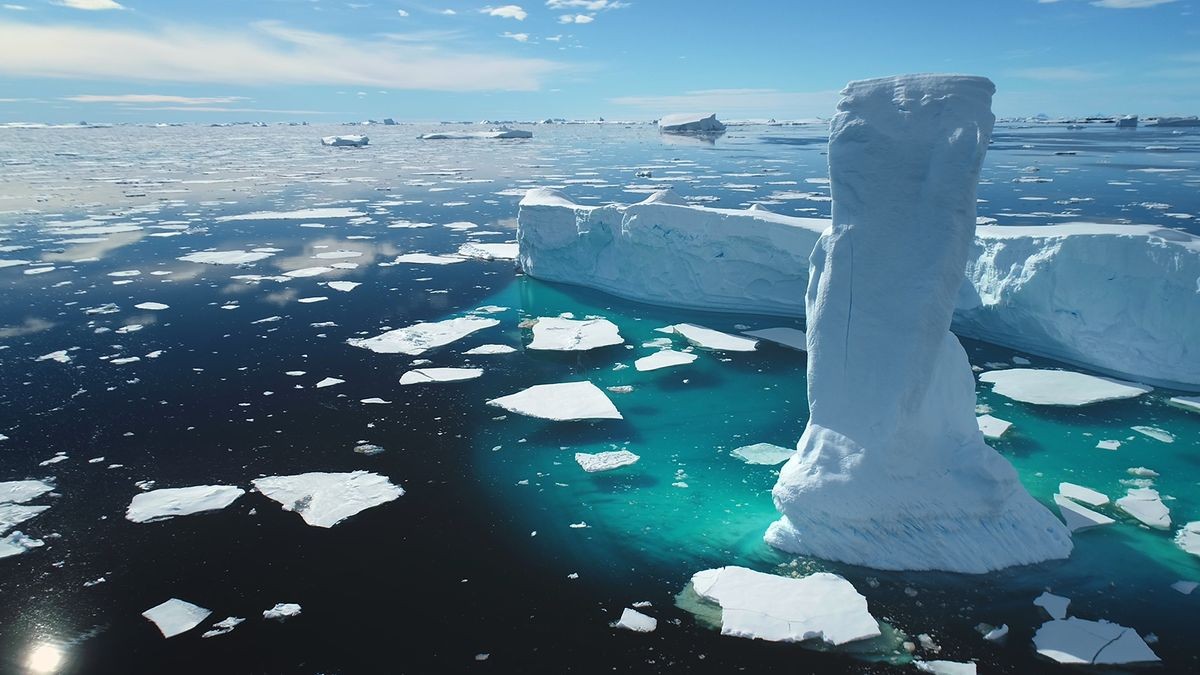
The Arctic Ocean, though the smallest of the world’s oceans, is disproportionately influential on global climate and ecosystems. Situated around the North Pole, this frozen expanse isn’t isolated; its processes directly impact weather patterns, ocean currents, and even the survival of species thousands of miles away.
Зміст
Geographic Connections and Ocean Dynamics
Covering approximately 5.4 million square miles (14 million square km), the Arctic Ocean connects the Pacific and Atlantic oceans via the Bering Strait and Fram Strait, respectively. This interconnectedness means changes in the Arctic don’t stay contained. It acts as a kind of “Arctic Mediterranean Sea,” behaving like a semi-enclosed extension of the Atlantic, with distinct circulation patterns.
The ocean floor features deep basins – the Eurasian and Amerasia Basins – separated by underwater ridges, and is surrounded by marginal seas like the Barents, Kara, and Beaufort Seas. Water flows in from both the Pacific and Atlantic, creating a complex system that regulates heat distribution across the globe.
The Shrinking Ice Cap and Freshwater Influx
The Arctic is defined by its shifting sea ice, which expands in winter and retreats in summer. However, this ice cover is rapidly thinning due to rising temperatures. This loss isn’t just about polar bears; melting ice and increased river runoff from Siberia and North America add massive amounts of freshwater to the surface.
This freshwater layer floats atop denser, deeper waters, insulating the ocean from frigid air temperatures and regulating circulation. The reduction in sea ice exposes more open water, accelerating warming and further ice loss – a dangerous feedback loop.
Climate Impacts and Global Connections
Arctic Ocean circulation relies on the balance between Pacific and Atlantic water flows. These currents mix within the Arctic Basin and influence weather patterns far beyond the region. Cold Arctic air cools surface waters, creating dense water that impacts Atlantic Ocean circulation.
Changes in water temperature, ice cover, and currents directly alter how heat moves around the planet, potentially influencing storm tracks and global weather extremes. This makes the Arctic a critical component of Earth’s climate system.
Ecosystems Under Pressure and Increased Human Activity
Despite harsh conditions, the Arctic Ocean supports marine life, including seals, whales, and endangered species. Polar bears depend on sea ice for hunting, making them particularly vulnerable to ice loss. Productive shelf areas provide nutrients for food webs, but these are also threatened by climate change.
As ice melts, shipping routes like the Northern Sea Route and Northwest Passage are opening more frequently, increasing human activity in the region. This brings economic opportunities but also raises concerns about pollution, overfishing, and potential disruption of fragile ecosystems.
The Arctic Ocean isn’t just a remote, frozen wilderness; it’s a powerful climate engine that regulates the entire planet. Its fate is inextricably linked to ours, making its preservation essential for the future of global stability.