The modern dining room isn’t what it used to be. Designers are increasingly breaking traditional “rules” to create spaces that are more livable, personal, and even fun. Here’s how you can ditch outdated expectations and build a dining room that works for you.
Зміст
Upholstery Isn’t Always Essential
Many assume dining chairs must be upholstered for comfort. Not so. Designer Ayten Nadeau points out that if your dining room is primarily for occasional use, sculptural wood or mixed-material chairs are perfectly acceptable—and save money. The key is practicality: if you don’t eat at the table daily, skip the extra expense.
This reflects a broader trend toward functional design. People are less willing to invest in high-maintenance features for spaces they don’t use frequently.
Ditch the Matchy-Matchy Aesthetic
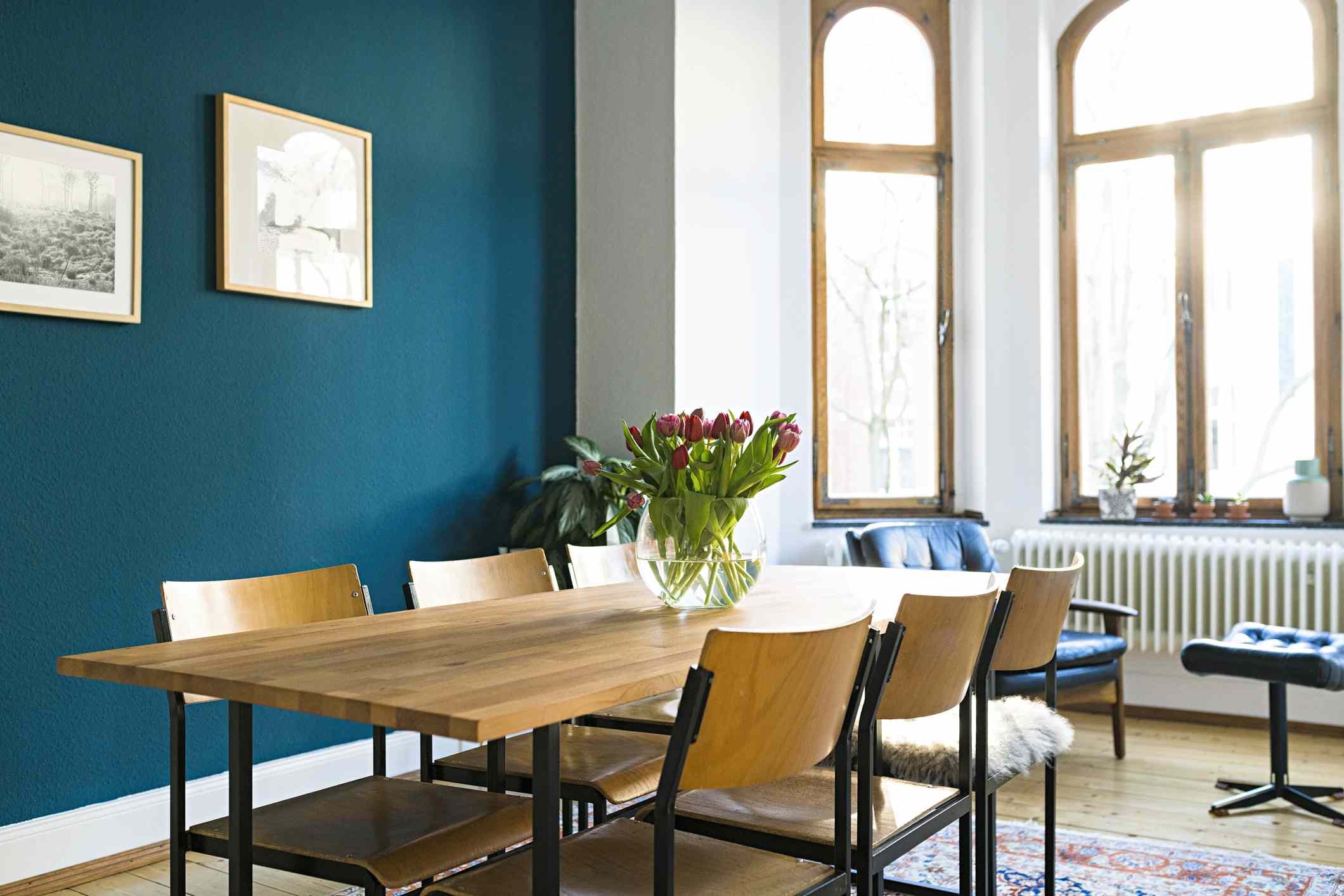
Forget perfectly coordinated sets. Designers now favor mixing textures and materials. Interior designer Elana Mendelson argues that rigid matching creates a boring, flat dining room. Instead, pair wooden tables with metal or matte black chairs for depth and character.
This shift acknowledges that real life isn’t a showroom. The goal is warmth, not sterile perfection.
Area Rugs Are Optional, Not Mandatory
The idea that a dining room needs an area rug is outdated. Nadeau explains that rugs can visually constrict the space or limit seating flexibility. Skipping the rug is often a strategic design choice, especially in smaller rooms.
This highlights a growing focus on spatial efficiency. Designers are prioritizing usability over arbitrary “completeness.”
Forget Ultra-Formality
The days of stiff, “show-only” dining rooms are over. Mendelson advocates for treating dining rooms as accessible, family-friendly spaces. Many people use these rooms for homework, game nights, and casual gatherings.
Prioritizing comfort—with comfortable seating, layered lighting, and durable fabrics—is the new standard. Rigid formality is simply… unnecessary.
Art Beyond the Classics
Traditional artwork isn’t the only way to decorate. Designer Rebecca Amir encourages displaying personal items like menus, vintage postcards, or family collections. These create a more inviting, lived-in feel.
This reflects a larger movement toward personalized interiors. The point isn’t to impress guests with “good taste”; it’s to create a space that feels meaningful.
Seating Doesn’t Stop at Chairs
Dining rooms don’t need to be limited to standard chairs. Amir suggests integrating sofas, benches, or armchairs to create a more flexible environment. This encourages movement and provides extra seating for guests (or tired kids).
This is about maximizing space and comfort. A dining room should be welcoming, not restrictive.
The modern dining room is about flexibility, personality, and function. Ditching outdated rules allows you to create a space that truly works for your lifestyle.
These shifts in design philosophy are driven by the fact that most people don’t live in magazines. They live in real homes, with real lives, and they want their spaces to reflect that.